Anterior Tibialis Trigger Point: The Hidden Cause of Your Pain
Do you ever experience unexplained pain in your lower leg that just won’t go away? You may be surprised to learn that the culprit could be a little-known trigger point in your anterior tibialis muscle. In this article, we’ll uncover the hidden cause of your discomfort and explore how to alleviate the pain for good.
Contents
- Understanding Anterior Tibialis Trigger Points
- Symptoms and Signs of Anterior Tibialis Trigger Points
- Trigger Point Therapy Techniques for Anterior Tibialis
- Preventing Recurrence of Anterior Tibialis Trigger Points
- Common Misconceptions about Anterior Tibialis Trigger Points
- How to Self-Manage Anterior Tibialis Trigger Points
- The Connection Between Anterior Tibialis Trigger Points and Lower Leg Pain
- When to Seek Professional Help for Anterior Tibialis Trigger Points
- Exercises to Strengthen and Stretch the Anterior Tibialis Muscle
- Wrapping Up
Understanding Anterior Tibialis Trigger Points
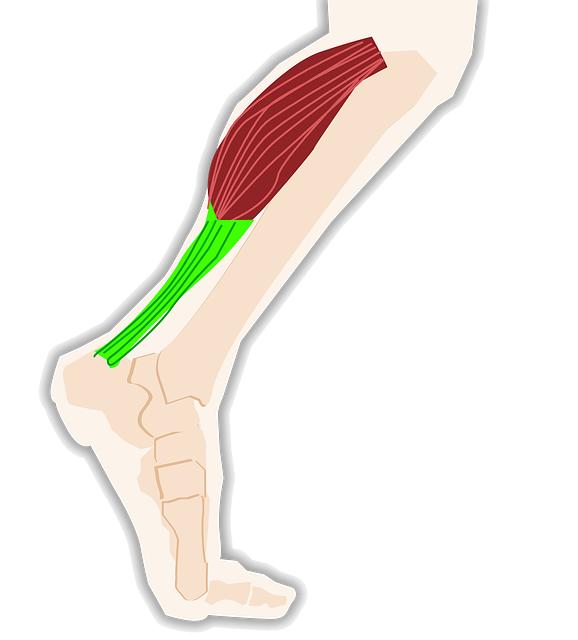
Anterior tibialis trigger points are often overlooked as a potential source of pain and discomfort. These trigger points are small, localized knots in the muscle fibers of the anterior tibialis muscle, which runs along the front of the shin. When these trigger points are activated, they can cause a variety of symptoms, including pain, tenderness, and restricted range of motion.
Understanding the role of anterior tibialis trigger points can be the key to finding relief from chronic pain. By addressing these trigger points through targeted massage, stretching, and strengthening exercises, it is possible to alleviate the symptoms associated with them and improve overall muscle function. Incorporating these strategies into your daily routine can make a significant difference in your quality of life.
It’s important to work with a knowledgeable healthcare provider or physical therapist to properly address and treat anterior tibialis trigger points. By taking a proactive approach to managing these trigger points, you can effectively reduce pain and improve your overall muscle health.

Symptoms and Signs of Anterior Tibialis Trigger Points
Many people suffer from mysterious pain in their lower legs that they just can’t seem to shake. It might come and go, or be a constant nuisance. If you’re experiencing this, you may be dealing with anterior tibialis trigger points. These trigger points can cause a range of symptoms that may be overlooked or misdiagnosed.
<p>Some common  include:</p>


<ul>

    <li><strong>Pain or tenderness in the front of the lower leg</strong></li>

    <li><strong>Tightness or stiffness in the calf muscles</strong></li>

    <li><strong>Inability to fully flex the ankle</strong></li>

    <li><strong>Difficulty with activities that require pushing off with the foot</strong></li>

</ul>


<p>It's important to recognize the signs of anterior tibialis trigger points so that you can seek appropriate treatment and find relief from your pain.</p>
Trigger Point Therapy Techniques for Anterior Tibialis
Many people suffering from pain in their lower legs may not realize that the culprit could be trigger points in their anterior tibialis muscle. These trigger points can cause a range of painful symptoms, including shin splints, calf pain, and even foot issues. Understanding how to effectively address these trigger points through targeted techniques can help alleviate your discomfort and improve your overall mobility.
When it comes to treating trigger points in the anterior tibialis muscle, there are several effective techniques that you can try. Here are some tried-and-tested methods that can help you find relief:
- Deep Tissue Massage: Applying firm pressure to the trigger points in your anterior tibialis muscle can help release tension and improve blood flow to the area.
- Stretching Exercises: Incorporating stretches specifically targeting the anterior tibialis muscle can help lengthen and relax the muscle, reducing the likelihood of trigger points forming.
- Trigger Point Release: Using tools such as foam rollers or lacrosse balls to apply pressure to trigger points can help break up knots and improve muscle function.

Preventing Recurrence of Anterior Tibialis Trigger Points
When it comes to dealing with anterior tibialis trigger points, prevention is key. By understanding the hidden causes of your pain and taking proactive steps to address them, you can greatly reduce the chances of recurrence. Here are some tips to help you prevent the return of anterior tibialis trigger points:
- Proper footwear: Make sure you are wearing supportive shoes that provide adequate cushioning and stability for your feet.
- Stretching and strengthening exercises: Incorporate calf stretches and exercises that target the anterior tibialis muscle into your regular workout routine.
- Posture correction: Be mindful of your posture throughout the day, especially when sitting or standing for long periods.
| Prevention Tips | Benefits |
|---|---|
| Proper footwear | Reduces strain on the anterior tibialis muscle |
| Stretching and strengthening exercises | Improves muscle flexibility and strength |
| Posture correction | Helps alleviate pressure on the anterior tibialis muscle |
Common Misconceptions about Anterior Tibialis Trigger Points
Many people are unaware of the impact that anterior tibialis trigger points can have on their daily lives. It is a common misconception that this muscle only affects the lower leg, but in reality, trigger points in the anterior tibialis can cause pain and discomfort in other areas of the body as well.
One of the most is that they only cause pain in the shin. While this is true, trigger points in this muscle can also refer pain to the foot, ankle, and even the knee. This can lead to misdiagnosis and ineffective treatment if the true source of the pain is not identified.
Another misconception is that trigger points in the anterior tibialis are easy to treat on your own. While self-massage and stretching can help alleviate symptoms, it is important to seek professional help if the pain persists. A trained therapist can identify and release trigger points more effectively, leading to long-lasting relief.

How to Self-Manage Anterior Tibialis Trigger Points
The anterior tibialis muscle is a commonly overlooked source of pain and discomfort in the lower leg. Trigger points in this muscle can cause a variety of symptoms, including shin splints, calf pain, and even foot pain. If you’re experiencing these issues, it’s important to address the underlying trigger points to find relief.
Here are some effective self-management techniques to help release trigger points in the anterior tibialis muscle:
- Stretching: Perform regular stretches specifically targeting the anterior tibialis muscle to help relax and release tension.
- Massage: Use a foam roller or massage ball to apply pressure to trigger points in the muscle and break up knots.
- Strength training: Build up the strength of the anterior tibialis muscle to prevent future trigger point development.
The Connection Between Anterior Tibialis Trigger Points and Lower Leg Pain
Anterior tibialis trigger points are a common, yet often overlooked, cause of lower leg pain. These trigger points, located in the front of the lower leg, can cause a variety of symptoms such as sharp or achy pain, stiffness, and even numbness or tingling in the foot. When these trigger points are not addressed, they can lead to chronic pain and discomfort.
One of the main reasons why anterior tibialis trigger points are often missed is because their pain referral patterns can mimic other conditions. Many people may mistake this pain for shin splints or even plantar fasciitis, leading to ineffective treatment. By understanding , individuals can properly address the root cause of their discomfort and find long-lasting relief.
If you are experiencing lower leg pain that is not improving with traditional treatments, consider seeking out a knowledgeable healthcare provider who is familiar with trigger point therapy. By releasing these trigger points through techniques such as massage, stretching, and strengthening exercises, you can alleviate your pain and improve your overall quality of life. Don’t let anterior tibialis trigger points remain a hidden cause of your discomfort – take action today and get back to living pain-free.
When to Seek Professional Help for Anterior Tibialis Trigger Points
When dealing with anterior tibialis trigger points, it’s essential to know when to seek professional help to alleviate the pain and discomfort they may be causing. Here are some signs that indicate it’s time to consult a healthcare professional:
- Unbearable Pain: If you are experiencing severe pain in your anterior tibialis muscle that is interfering with your daily activities, it may be time to seek professional help.
- Chronic Discomfort: If you have been dealing with persistent discomfort in your anterior tibialis muscle that does not improve with at-home remedies or self-care techniques, a healthcare professional may be able to provide effective treatment.
- Limited Range of Motion: If your anterior tibialis trigger points are causing limited range of motion in your foot or ankle, a physical therapist or other healthcare provider can help you regain mobility.
By seeking professional help for anterior tibialis trigger points, you can receive a proper diagnosis and personalized treatment plan to address the root cause of your pain and discomfort. Don’t hesitate to reach out to a healthcare professional if you are struggling to manage your symptoms on your own.
Exercises to Strengthen and Stretch the Anterior Tibialis Muscle
One of the most common causes of pain in the lower leg is trigger points in the anterior tibialis muscle. These trigger points can cause pain, stiffness, and even numbness in the front of the ankle and lower leg. Fortunately, there are exercises you can do to both strengthen and stretch the anterior tibialis muscle, helping to alleviate these symptoms.
**Strengthening Exercises:**
- Toe Taps: Sit on the floor with your legs stretched out in front of you. Tap your toes up and down, focusing on engaging the anterior tibialis muscle.
- Ankle Dorsiflexion: Sit on a chair with your feet flat on the floor. Slowly lift your toes towards your shins, then lower them back down.
**Stretching Exercises:**
- Calf Stretch: Stand facing a wall with one foot forward and one foot back. Lean into the wall, keeping your back leg straight to stretch the anterior tibialis muscle in the back leg.
- Standing Toe Stretch: Stand with your feet hip-width apart. Lift your toes off the ground and press them into the floor, feeling a stretch in the front of the ankle.
Wrapping Up
In conclusion, understanding the role of the anterior tibialis trigger point in causing pain is crucial for effective treatment. By addressing this hidden culprit, you can finally find relief and improve your overall quality of life. Don’t let this common issue go unnoticed any longer – take control of your pain and start feeling better today.