Exposed: The Real Reason Your Tibialis Anterior Muscle Is Sore
If you’ve ever experienced soreness or discomfort in your tibialis anterior muscle, you’re not alone. In this article, we’re going to uncover the real reason behind this common issue and provide you with valuable insights to help address and prevent it in the future. So, grab a seat and get ready to dive into the fascinating world of your lower leg muscles!
Contents
- Understanding the Tibialis Anterior Muscle
- Common Causes of Soreness in the Tibialis Anterior Muscle
- The Importance of Proper Form and Footwear
- Effective Stretches for Relieving Tibialis Anterior Pain
- How to Strengthen the Tibialis Anterior Muscle Safely
- Signs of Overuse and When to Seek Professional Help
- Preventative Measures to Avoid Tibialis Anterior Soreness
- Incorporating Recovery Techniques into Your Routine
- To Wrap It Up
Understanding the Tibialis Anterior Muscle
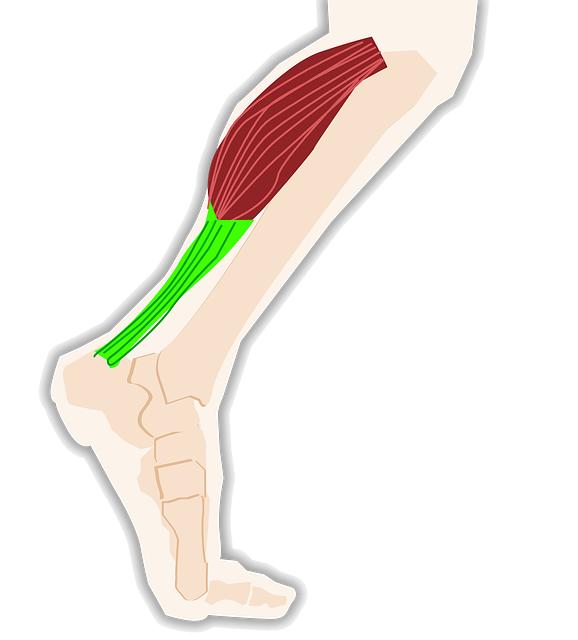
The Tibialis Anterior muscle is a key player in the movement of the ankle and foot. Located on the front of the lower leg, this muscle is responsible for dorsiflexion, which is the movement that brings the foot upwards towards the shin. This motion is essential for walking, running, and even simple actions like pointing your toes upward.
When the Tibialis Anterior muscle is overworked or strained, it can lead to soreness and discomfort in the front of the lower leg. This type of pain is often felt during activities that require repetitive dorsiflexion, such as running, walking uphill, or wearing high heels. It can also be caused by poor running form, muscle imbalances, or wearing unsupportive footwear.
To prevent and alleviate soreness in the Tibialis Anterior muscle, it’s important to incorporate stretching and strengthening exercises into your routine. By maintaining flexibility and strength in this muscle, you can reduce the risk of injury and improve overall lower leg function. Remember to listen to your body and give your muscles the care they need to stay healthy and pain-free.
Common Causes of Soreness in the Tibialis Anterior Muscle
When it comes to understanding the root of soreness in the tibialis anterior muscle, there are several common causes that could be to blame. These include:
- Overuse: Engaging in repetitive activities that involve dorsiflexion of the ankle, such as running or walking long distances, can put strain on the tibialis anterior muscle.
- Poor footwear: Wearing shoes that do not provide proper support or cushioning can lead to increased stress on the tibialis anterior muscle, resulting in soreness.
- Weakness: A lack of strength in the tibialis anterior muscle itself, as well as in surrounding muscles that support the foot and ankle, can contribute to soreness and discomfort.

The Importance of Proper Form and Footwear
Proper form and footwear are crucial components of any workout routine, but did you know they can also play a significant role in preventing muscle soreness? Take the tibialis anterior muscle, for example. This muscle is located on the front of the shin and is responsible for dorsiflexing the foot and ankle. When this muscle is overworked or strained due to improper form or inadequate footwear, it can lead to pain and discomfort.
By ensuring you have the correct form during exercises that engage the tibialis anterior, such as calf raises and toe raises, you can reduce the risk of injury and soreness. Additionally, wearing shoes that provide proper support and cushioning for the feet can help distribute pressure evenly and prevent excessive strain on the muscle.
| Benefits of Proper Form and Footwear: |
|---|
| Reduced risk of injury |
| Improved muscle activation |
| Enhanced performance |

Effective Stretches for Relieving Tibialis Anterior Pain
Are you constantly experiencing pain in your tibialis anterior muscle and not sure how to relieve it? You’re not alone. This common issue can be caused by a variety of factors, such as overuse, poor footwear, or improper form during exercise. The good news is that there are effective stretches you can do to help alleviate this discomfort and get back to feeling your best.
Stretching Techniques:
- Calf Stretch: Stand facing a wall with one foot back and the other forward, keeping both heels on the ground. Lean forward until you feel a stretch in your calf and hold for 30 seconds. Repeat on the other leg.
- Ankle Dorsiflexion Stretch: Sit on the floor with your legs extended. Loop a towel around the ball of one foot and gently pull back towards you until you feel a stretch in your ankle. Hold for 30 seconds and switch legs.
By incorporating these stretches into your daily routine, you can help reduce pain and improve the flexibility of your tibialis anterior muscle. Remember to listen to your body and consult a healthcare professional if the pain persists or worsens.

How to Strengthen the Tibialis Anterior Muscle Safely
One of the most common reasons for soreness in the tibialis anterior muscle is overuse and improper form during exercise. When this muscle is weak or tight, it can lead to discomfort and pain in the front of the shin. To strengthen the tibialis anterior muscle safely and effectively, consider incorporating the following tips into your routine:
- Proper Warm-Up: Before engaging in any exercise that targets the tibialis anterior muscle, make sure to warm up properly to prevent injury.
- Stretching: Incorporate gentle stretches for the shins and calves to improve flexibility and reduce tightness in the muscle.
- Gradual Progression: Increase the intensity and duration of your tibialis anterior exercises gradually to prevent overloading the muscle.

Signs of Overuse and When to Seek Professional Help
If you’re experiencing soreness in your tibialis anterior muscle, it could be a sign of overuse. This muscle is located in the front of your shin and is responsible for dorsiflexion of the foot. Some common signs of overuse include:
- Dull, aching pain in the front of your shin
- Inflammation or swelling in the affected area
- Increased pain with activity or when trying to lift your toes
If you’re experiencing any of these symptoms, it may be time to seek professional help. A healthcare provider can help diagnose the underlying cause of your tibialis anterior muscle soreness and recommend a treatment plan to help you recover.

Preventative Measures to Avoid Tibialis Anterior Soreness
One of the most effective ways to prevent tibialis anterior soreness is to properly stretch and warm up before engaging in any physical activity. By taking the time to loosen up your muscles and increase blood flow, you can significantly reduce the risk of experiencing pain and discomfort in the Tibialis Anterior muscle.
Another key preventative measure is to ensure that you are wearing proper footwear that provides adequate support for your feet and ankles. Investing in a pair of high-quality shoes that offer cushioning and stability can help to alleviate strain on the Tibialis Anterior muscle and prevent soreness from occurring.
Additionally, incorporating strength training exercises into your workout routine can help to improve the overall strength and flexibility of the Tibialis Anterior muscle. By targeting this specific muscle group with exercises such as toe raises and ankle dorsiflexion, you can build up its strength and endurance, reducing the likelihood of experiencing soreness.

Incorporating Recovery Techniques into Your Routine
After a strenuous workout or long day on your feet, it’s common to experience soreness in your tibialis anterior muscle. This muscle runs along the front of your shin and is responsible for dorsiflexing your foot and ankle. can help alleviate this discomfort and prevent future injuries.
One effective recovery technique is foam rolling. By using a foam roller to massage the tibialis anterior muscle, you can increase blood flow and release tension. Another helpful method is stretching. Performing calf stretches can help loosen up the muscles surrounding the tibialis anterior and improve flexibility.
Lastly, don’t underestimate the power of rest and recovery. Giving your body time to heal is essential for muscle growth and overall well-being. So, make sure to incorporate these recovery techniques into your routine to keep your tibialis anterior muscle happy and healthy.
To Wrap It Up
So now that you know the real reason why your tibialis anterior muscle is sore, you can take the necessary steps to address the issue and prevent future discomfort. By incorporating some simple exercises and stretches into your routine, you can help strengthen this crucial muscle and ensure that you are able to move and function at your optimal level. Remember, listening to your body and giving it the care it needs is key to maintaining overall health and well-being. Keep nurturing your muscles and they will thank you for it!