Gastrocnemius vs Tibialis Posterior: The Ultimate Agonist/Antagonist Showdown
Have you ever wondered why certain muscles in your lower legs seem to be in a constant battle for dominance? In the world of anatomy and physiology, the gastrocnemius and the tibialis posterior often find themselves at odds, acting as agonist and antagonist to each other. Join us as we delve into the ultimate showdown between these two powerhouse muscles and uncover the roles they play in the complex dance of movement and stability in the lower leg.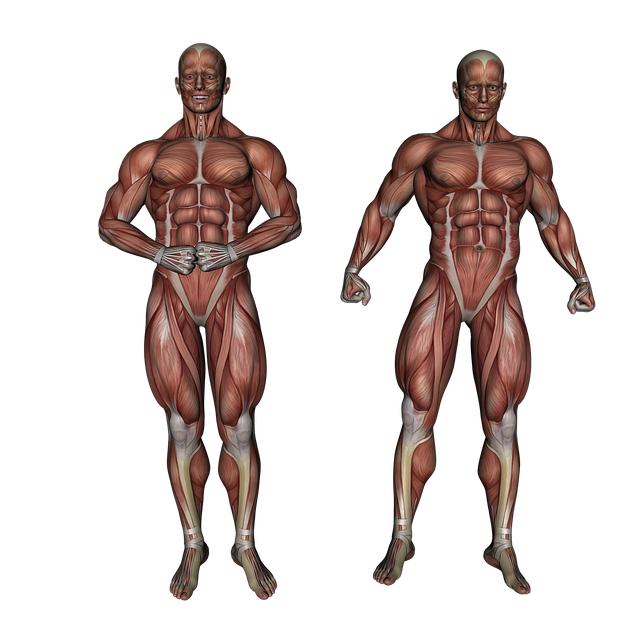
Contents
- Gastrocnemius Muscle: A Closer Look at the Powerhouse of the Lower Leg
- Tibialis Posterior Muscle: Understanding the Unsung Hero of Foot Function
- Comparing the Functionality of Gastrocnemius and Tibialis Posterior in Movement
- Injury Prevention and Rehabilitation: Tips for Maintaining Gastrocnemius and Tibialis Posterior Health
- Role of Gastrocnemius and Tibialis Posterior in Balance and Stability
- Strengthening Exercises for Gastrocnemius and Tibialis Posterior Muscles
- Utilizing Gastrocnemius and Tibialis Posterior for Optimal Athletic Performance
- The Importance of Stretching for Gastrocnemius and Tibialis Posterior Flexibility
- Common Misconceptions about Gastrocnemius and Tibialis Posterior Muscles
- In Retrospect
Gastrocnemius Muscle: A Closer Look at the Powerhouse of the Lower Leg
The Gastrocnemius muscle and the Tibialis Posterior muscle are key players in the complex network of muscles that make up the lower leg. While both muscles are essential for proper movement and stability, they have very different roles to play in the functioning of the lower leg.
Gastrocnemius Muscle: This powerhouse muscle is located on the back of the lower leg and is composed of two heads that help to flex the foot at the ankle joint. It is responsible for plantar flexion, which allows us to push off the ground with each step we take. The Gastrocnemius muscle is also crucial for maintaining balance and stability during activities like running, jumping, and standing on tiptoe.
Tibialis Posterior Muscle: In contrast, the Tibialis Posterior muscle is located on the inner side of the lower leg and plays a key role in supporting the arch of the foot and controlling the inward rolling motion of the foot. This muscle is essential for maintaining proper alignment of the foot and ankle, especially during activities that involve walking, running, and jumping.
While these two muscles may seem like they are at odds with each other, they actually work together in perfect harmony to ensure smooth and efficient movement of the lower leg. The Gastrocnemius muscle provides the power and strength needed for propulsion, while the Tibialis Posterior muscle helps to stabilize and support the foot during weight-bearing activities. This dynamic interplay between agonist and antagonist muscles is essential for optimal performance and function of the lower leg.
Tibialis Posterior Muscle: Understanding the Unsung Hero of Foot Function
Gastrocnemius vs Tibialis Posterior: The Ultimate Agonist/Antagonist Showdown
The gastrocnemius and the tibialis posterior muscles are key players in foot function, but they couldn’t be more different in their roles. While the gastrocnemius is known for its power and strength in plantar flexion, the tibialis posterior often goes unnoticed despite its crucial role in maintaining the arch of the foot and providing stability during walking and running.
Key Differences:
- The gastrocnemius is a powerful muscle responsible for pushing off the ground during activities like walking, running, and jumping. In contrast, the tibialis posterior works more subtly to support the arch of the foot and control pronation (rolling in) of the foot during weight-bearing activities.
- The gastrocnemius is a prime mover in plantar flexion, while the tibialis posterior acts as a dynamic stabilizer, working to prevent overpronation and maintain proper alignment of the foot and ankle joints.
| Gastrocnemius | Tibialis Posterior |
|---|---|
| Main function: Plantar flexion | Main function: Arch support and pronation control |
| Powerful muscle for pushing off | Dynamic stabilizer for foot alignment |
Comparing the Functionality of Gastrocnemius and Tibialis Posterior in Movement
The Gastrocnemius and Tibialis Posterior are two essential muscles that play key roles in movement and function of the lower leg. While both muscles are involved in ankle movement, they serve different functions and act as agonists and antagonists to each other.
- Gastrocnemius: This powerful muscle is located in the calf and is responsible for plantar flexion of the ankle. It helps in pointing the toes downward and provides strength and power for movements like walking, running, and jumping.
- Tibialis Posterior: Situated deep in the calf, this muscle plays a crucial role in ankle inversion and supports the arch of the foot. It works to stabilize the foot and ankle during movements, helping to maintain balance and proprioception.
When these two muscles work together, they create a finely tuned balance of movement and stability in the lower leg. Understanding the functions of the Gastrocnemius and Tibialis Posterior can help in optimizing training and rehabilitation programs to enhance overall lower leg function.
Injury Prevention and Rehabilitation: Tips for Maintaining Gastrocnemius and Tibialis Posterior Health
When it comes to maintaining the health of your lower leg muscles, the gastrocnemius and tibialis posterior are key players that often find themselves in a constant battle of strength and stability. The gastrocnemius, also known as the calf muscle, is responsible for plantarflexion of the foot and plays a crucial role in activities like running and jumping. On the other hand, the tibialis posterior acts as the antagonist to the gastrocnemius, supporting the arch of the foot and assisting in inversion and plantarflexion.
Here are some tips to help you prevent injuries and maintain the health of both the gastrocnemius and tibialis posterior:
- Stretch Regularly: Incorporate calf stretches and exercises that target both muscles into your daily routine to improve flexibility and prevent tightness.
- Strengthen Weak Areas: Focus on strengthening exercises for the tibialis posterior to improve stability and support for the ankle and foot.
- Listen to Your Body: Pay attention to any signs of discomfort or pain in the lower leg area and seek professional help if needed to avoid more serious injuries.
Role of Gastrocnemius and Tibialis Posterior in Balance and Stability
The Gastrocnemius and Tibialis Posterior muscles play crucial roles in maintaining balance and stability in the human body. While both muscles are involved in the function of the ankle joint, they have distinct functions that complement each other in the quest for equilibrium.
The Gastrocnemius, commonly known as the calf muscle, is responsible for plantar flexion of the ankle joint, pointing the foot downwards. This action allows for propulsion during activities such as walking, running, and jumping. On the other hand, the Tibialis Posterior muscle acts as an antagonist to the Gastrocnemius, helping to control the movement of the foot by dorsiflexing the ankle, pulling the foot upwards.
In essence, the Gastrocnemius and Tibialis Posterior work in tandem to provide stability and balance during various physical activities. The imbalance between these two muscles can lead to issues such as ankle instability, decreased athletic performance, and an increased risk of injury. So, it is essential to strengthen and stretch both muscles to maintain optimal function and prevent any potential imbalances.
Strengthening Exercises for Gastrocnemius and Tibialis Posterior Muscles
When it comes to strengthening exercises for the lower leg muscles, the showdown between the gastrocnemius and tibialis posterior is a classic battle of agonist versus antagonist. While the gastrocnemius is responsible for plantar flexion of the ankle and plays a major role in activities like running and jumping, the tibialis posterior works to maintain the arch of the foot and supports the movement of the ankle during walking and running.
For those looking to improve the strength and stability of these muscles, incorporating a variety of exercises into your workout routine is key. Here are some effective exercises for targeting the gastrocnemius and tibialis posterior:
- Gastrocnemius Exercises:
- Calf raises
- Seated calf raises
- Jump squats
- Tibialis Posterior Exercises:
- Ankle dorsiflexion exercises
- Resistance band eversion exercises
- Single-leg balance exercises
Utilizing Gastrocnemius and Tibialis Posterior for Optimal Athletic Performance
When it comes to optimizing athletic performance, understanding the roles of the gastrocnemius and tibialis posterior muscles is essential. The gastrocnemius muscle, located in the calf, is a powerful plantar flexor that plays a significant role in activities like jumping, running, and sprinting. On the other hand, the tibialis posterior muscle, located on the inner side of the shin, is responsible for inversion and helps stabilize the ankle during movements.
Key Points:
- The gastrocnemius muscle is a key player in explosive movements like jumping and sprinting.
- The tibialis posterior muscle helps maintain ankle stability and supports the arch of the foot.
- Both muscles work in tandem to ensure optimal performance and prevent injuries.
| Gastrocnemius | Tibialis Posterior |
|---|---|
| Primary plantar flexor | Primary inverter and ankle stabilizer |
| Works during push-off phase of gait | Supports the arch of the foot |
| Aids in explosive movements | Important for maintaining balance |
The Importance of Stretching for Gastrocnemius and Tibialis Posterior Flexibility
When it comes to flexibility in the lower leg, the battle between the gastrocnemius and tibialis posterior muscles is an ultimate showdown of agonist versus antagonist. Gastrocnemius, the larger of the two calf muscles, is responsible for plantar flexion of the foot, while tibialis posterior works to invert and adduct the foot. Both muscles play crucial roles in maintaining proper foot alignment and function.
Stretching these muscles regularly is essential for maintaining flexibility and preventing injuries. Here are some key reasons why stretching the gastrocnemius and tibialis posterior should be a regular part of your workout routine:
- Improves Range of Motion: Stretching these muscles helps improve the range of motion in your ankle joint, allowing for better movement during activities like running, jumping, and walking.
- Prevents Injury: Keeping both the gastrocnemius and tibialis posterior flexible can help prevent common injuries such as Achilles tendonitis, plantar fasciitis, and shin splints.
- Enhances Performance: Maintaining flexibility in these muscles can lead to improved performance in activities that require lower leg strength and mobility, such as dancing, sports, and weightlifting.
Common Misconceptions about Gastrocnemius and Tibialis Posterior Muscles
Many people believe that the gastrocnemius muscle is the primary muscle responsible for plantar flexion (pointing the toes downwards) and the tibialis posterior muscle is solely responsible for inversion (turning the foot inward). However, this is a common misconception as both muscles play a crucial role in these movements, working together as agonist and antagonist respectively.
The gastrocnemius and tibialis posterior muscles work in harmony:
- The gastrocnemius muscle is the powerful calf muscle that provides the force for plantar flexion.
- The tibialis posterior muscle, located in the back of the calf, is responsible for supporting the arch of the foot and controlling inversion of the foot.
| Gastrocnemius | Tibialis Posterior |
|---|---|
| Primary muscle for plantar flexion | Supports arch of the foot |
| Agonist | Antagonist |
In Retrospect
In conclusion, understanding the roles of the gastrocnemius and tibialis posterior muscles is essential for anyone looking to improve their lower body strength and prevent injuries. By grasping the dynamic relationship between these two powerhouse muscles, you can better optimize your workouts and enhance your overall performance. So, the next time you hit the gym, remember the ultimate agonist/antagonist showdown happening in your calves and ankles, and make sure to give both muscles the attention they deserve. Your body will thank you!