How Do You Tighten a Treadmill Belt? A Step-by-Step Guide
Treadmills are a fantastic way to stay fit and active, but over time, the belt may start to loosen, causing your workout to become less effective. Don’t worry, tightening a treadmill belt is a simple process that you can do easily at home. In this step-by-step guide, we’ll walk you through the process, so you can get back to enjoying a smooth and efficient workout in no time.
Contents
- Determining if Your Treadmill Belt Needs Tightening
- Locating the Adjustment Screws on Your Treadmill
- Using a Hex Key to Tighten the Treadmill Belt
- Making Small Adjustments Until the Belt Feels Right
- Testing the Tightness of the Treadmill Belt
- Ensuring Proper Alignment of the Belt Before Use
- Seeking Professional Help if Needed
- Regular Maintenance to Keep the Treadmill Belt Tight
- Preventing Future Slippage Issues With Proper Care and Attention
- The Conclusion
Determining if Your Treadmill Belt Needs Tightening
To determine if your treadmill belt needs tightening, there are a few key indicators to look out for. One sign that your treadmill belt may need tightening is if it slips while you are using the machine. This can be dangerous and may indicate that the belt is too loose. Another indicator is if you notice a humming or whining noise coming from the motor while the treadmill is in use. This could mean that the belt is not properly tensioned.
Additionally, you can perform a simple test to see if your treadmill belt needs tightening. Start by turning off the treadmill and unplugging it from the power source. Then, using your hand, try to lift the belt in the center of the deck. If you are able to lift it more than 2-3 inches off the deck, the belt is likely too loose and needs to be tightened.
Tightening a treadmill belt is a straightforward process that can be done at home with a few simple tools. Below, we have provided a step-by-step guide on how to tighten your treadmill belt to ensure a safe and effective workout experience.
Locating the Adjustment Screws on Your Treadmill
Adjusting the belt tension on your treadmill is crucial for ensuring a smooth and safe workout experience. To tighten the treadmill belt, you’ll need to locate the adjustment screws on your machine. These screws are typically found at the rear of the treadmill, near the roller. Here’s how you can find the adjustment screws on your treadmill:
- Check the rear end of your treadmill, close to the roller.
- Look for two adjustment screws on either side of the treadmill.
- Use a wrench or screwdriver to tighten or loosen the screws as needed.
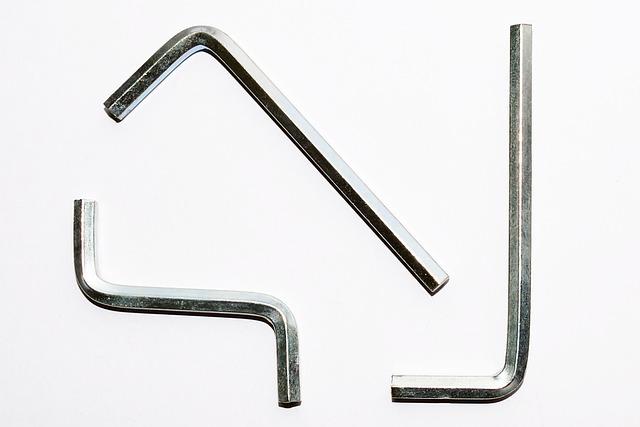
Using a Hex Key to Tighten the Treadmill Belt
To tighten the treadmill belt using a hex key, you first need to locate the adjustment bolts on either side of the rear roller. These bolts can be easily identified by their hexagonal shape, hence the need for a hex key. Remember that it’s important to unplug the treadmill from the power source before performing any maintenance to avoid any accidents.
Once you have located the adjustment bolts, use the hex key to turn them clockwise in small increments. Check the tension of the belt by pressing down in the center. You should aim for a tension where the belt doesn’t slip when you walk on it, but also isn’t too tight that it causes excessive wear on the motor and other components. It may take a few adjustments to get it just right, so be patient and test the belt frequently as you make changes.
Making Small Adjustments Until the Belt Feels Right
Adjusting the belt on your treadmill is an important maintenance task that can help improve the overall performance of your machine. is key to ensuring a smooth and safe workout experience. To tighten a treadmill belt, follow these steps:
- Start by locating the adjustment bolts on the rear roller of your treadmill.
- Using an Allen wrench, turn the bolts clockwise in small increments to tighten the belt.
- Check the tension of the belt by pressing down on the center. It should feel firm, but not too tight.
Remember, it may take a few tries to get the belt tension just right. Be patient and make small adjustments until the belt feels comfortable to walk or run on. Proper belt tension is crucial for the longevity of your treadmill and for a safe workout experience.

Testing the Tightness of the Treadmill Belt
When it comes to ensuring your treadmill is in top working condition, one key component to check is the tightness of the treadmill belt. A loose belt can not only affect the performance of your workout but also potentially lead to safety risks. Luckily, tightening the belt is a relatively simple process that can be done at home with just a few tools.
To tighten the treadmill belt, follow these steps:
- Turn off and unplug the treadmill to ensure safety.
- Locate the rear roller adjustment bolts at the back of the treadmill.
- Using an Allen wrench, turn the bolts clockwise a quarter turn at a time to tighten the belt. Be sure not to over-tighten.
| Warning: | Always refer to your treadmill’s manual for specific instructions on tightening the belt. |

Ensuring Proper Alignment of the Belt Before Use
To ensure proper alignment of the belt before use, you first need to locate the rear roller bolts at the back of the treadmill. These bolts are used to adjust the tension of the belt. Use a hex key to tighten or loosen the bolts as needed. **Make sure the belt is centered** and evenly aligned on the treadmill deck to prevent wear and tear.
Next, turn on the treadmill at a slow speed and walk on it to see if the belt slips or shifts. If it does, adjust the tension of the belt by tightening the rear roller bolts slightly. Repeat this process until the belt stays centered and does not slip when in use. Check the alignment periodically and make adjustments as needed to maintain proper tension.
Remember, a properly aligned treadmill belt is essential for a safe and effective workout. By following these steps to tighten and align the belt, you can ensure a smooth and reliable treadmill experience every time you exercise.
Seeking Professional Help if Needed
If you have followed the steps outlined above and are still experiencing issues with your treadmill belt, it may be time to seek professional help. A qualified technician will have the necessary tools and expertise to properly tighten the belt and ensure that your treadmill is running smoothly.
Here are a few signs that it may be time to call in the pros:
- The belt continues to slip, even after attempting to tighten it yourself.
- You notice excessive wear and tear on the belt or motor.
- You are unsure of how to properly tighten the belt and want to avoid causing further damage.

Regular Maintenance to Keep the Treadmill Belt Tight
Keeping your treadmill belt tight is crucial for ensuring optimal performance and preventing damage to the machine. Here is a step-by-step guide on how to tighten the treadmill belt:
- Locate the bolts at the back of the treadmill near the belt.
- Using the provided allen wrench, turn the bolts clockwise to tighten the belt.
- Make sure to tighten the bolts evenly on both sides to keep the belt centered.
Regular maintenance of your treadmill belt will not only extend the life of your machine but also provide a smoother and more comfortable workout experience. Remember to check the belt tension periodically and make adjustments as needed to keep it in top condition.
Preventing Future Slippage Issues With Proper Care and Attention
When it comes to tightening a treadmill belt, there are a few simple steps you can follow to ensure your machine is running smoothly and preventing future slippage issues. Proper care and attention are key to maintaining the longevity of your treadmill and preventing wear and tear on the belt.
<p><strong>Step 1:</strong> Locate the belt adjustment screws on the back of the treadmill near the motor. These screws are typically on both sides of the treadmill and can be adjusted using an Allen wrench.</p>


<p><strong>Step 2:</strong> Turn the adjustment screws clockwise to tighten the belt. Be sure to tighten both sides evenly to prevent the belt from becoming lopsided.</p>


<p><strong>Step 3:</strong> Test the belt tension by walking on the treadmill at a slow pace. The belt should not slip or drag, but should also not be too tight. Make any necessary adjustments until the belt is running smoothly.</p>
The Conclusion
Now that you have learned how to tighten a treadmill belt step by step, you can easily maintain your machine and ensure it is performing at its best. Remember to check your treadmill belt regularly for any signs of wear and tear, and make adjustments as needed to avoid any unwanted issues. Keeping your treadmill in top shape will help you achieve your fitness goals and enjoy a smooth and effective workout every time. Happy running!