Running Backwards on a Treadmill: The Ultimate Knee-Friendly Workout
Are you tired of traditional treadmill workouts that leave your knees feeling sore and achy? Look no further! Running backwards on a treadmill is the ultimate knee-friendly workout that will help you stay in shape without the added strain on your joints. In this article, we will explore the benefits of this unique exercise and provide tips on how to incorporate it into your fitness routine. Say goodbye to knee pain and hello to a new and exciting way to work out!
Contents
- – Benefits of Running Backwards on a Treadmill for Knee Health
- – Proper Form and Technique for Running Backwards
- – Getting Started with Backward Treadmill Running
- – Injury Prevention Tips When Running Backwards on a Treadmill
- – Incorporating Backward Running into Your Fitness Routine
- – Maximizing the Cardiovascular Benefits of Running Backwards
- – Equipment Recommendations for Backward Treadmill Running
- – Adjusting Treadmill Settings for a Safe and Effective Workout
- Closing Remarks
– Benefits of Running Backwards on a Treadmill for Knee Health
Running backwards on a treadmill can be a game-changer for those looking to improve their knee health while still getting a great workout. This unique form of exercise provides a variety of benefits that can help strengthen and protect your knees in the long run. Here are some of the key advantages of incorporating backwards running into your workout routine:
- Reduced impact on joints: Running backwards on a treadmill can help reduce the impact on your knees and other joints compared to traditional forward running. This can be especially beneficial for individuals with knee issues or those looking to prevent future injuries.
- Improved balance and coordination: Running backwards requires more focus and coordination than running forwards, which can help improve your overall balance and stability. This can be especially helpful for older adults looking to maintain their mobility and independence.
- Engages different muscle groups: Backwards running can help target different muscle groups, including the hamstrings and calves, which may not be as activated during forward running. This can lead to more balanced muscle development and reduced risk of muscle imbalances.
Incorporating running backwards on a treadmill into your fitness routine can be a fun and effective way to improve your knee health while getting a great workout. Give it a try and experience the benefits for yourself!
– Proper Form and Technique for Running Backwards
When it comes to running backwards on a treadmill, proper form and technique are key to preventing injuries and maximizing the benefits of this unique workout. Here are some tips to help you perfect your form:
- Keep your gaze forward: It’s important to look straight ahead while running backwards to maintain balance and prevent tripping.
- Use your arms: Just like when running forward, your arms should be swinging in a natural motion to help propel you backwards.
- Engage your core: Keeping your core muscles engaged will help stabilize your body and prevent any swaying side to side.
Running backwards on a treadmill can be a great low-impact workout that is easy on the knees. By following these form and technique tips, you can safely enjoy the benefits of this challenging exercise.
– Getting Started with Backward Treadmill Running
Benefits of Backward Treadmill Running:
- Engages different muscle groups than forward running
- Improves balance and coordination
- Helps prevent knee injuries by reducing impact on joints
How to Get Started:
Before jumping on the treadmill and running backward, it’s essential to start slow and focus on proper form. Here are some tips to get started:
- Start at a slow speed to get comfortable with the movement
- Keep your gaze forward and your shoulders relaxed
- Focus on landing on the balls of your feet to reduce impact on your knees
- Gradually increase speed and distance as you build strength and confidence
| Distance | Speed |
| 1 mile | 3 mph |
| 3 miles | 5 mph |
| 5 miles | 7 mph |

– Injury Prevention Tips When Running Backwards on a Treadmill
When it comes to injury prevention while running backwards on a treadmill, there are a few key tips to keep in mind. One of the most important things to remember is to always warm up properly before starting your workout. This can help to prevent muscle strains and injuries. Additionally, it’s important to maintain good posture while running backwards to avoid putting unnecessary strain on your knees and lower back.
Another tip for preventing injuries while running backwards on a treadmill is to be mindful of your speed. It can be easy to get carried away and start running too fast, which can increase your risk of injury. Start slow and gradually increase your speed as you become more comfortable with the movement. It’s also important to listen to your body and stop if you experience any pain or discomfort.
- Always warm up before starting your workout
- Maintain good posture to avoid strain on your knees and lower back
- Be mindful of your speed and gradually increase as you become more comfortable
- Listen to your body and stop if you experience any pain or discomfort
– Incorporating Backward Running into Your Fitness Routine
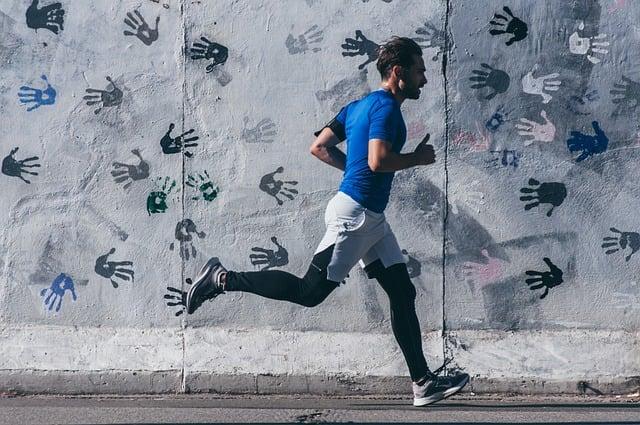
When it comes to finding a knee-friendly workout that still packs a punch, look no further than incorporating backward running into your fitness routine. Running backwards on a treadmill not only provides a unique challenge, but it also helps to reduce impact on your knees compared to traditional forward running.
Here are some benefits of incorporating backward running into your workout routine:
- Improved balance and coordination: Running backwards requires more focus and coordination, which can help improve your overall balance.
- Strengthen different muscle groups: Backward running targets different muscles than forward running, such as the hamstrings and calves, helping to prevent muscle imbalances.
- Reduced impact on knees: The backward motion of running can help reduce the stress on your knees, making it a great option for those with knee issues or injuries.

– Maximizing the Cardiovascular Benefits of Running Backwards
Running backwards on a treadmill can be a game-changer when it comes to maximizing the cardiovascular benefits of your workout. Not only does it provide a unique challenge for your body, but it can also be easier on your knees compared to traditional forward running. Here are some tips to help you get the most out of your backwards running routine:
- Start Slow: If you’re new to running backwards, make sure to start at a slow pace to get comfortable with the movement.
- Use the Handrails: Hold onto the handrails for support until you feel stable enough to let go.
- Engage Your Core: Keep your core muscles engaged to maintain balance and stability throughout your run.
| Benefits of Running Backwards | Knee-Friendly Exercise |
|---|---|
| Improves coordination and balance | Reduces impact on the knees |
| Works different muscle groups | Lessens risk of knee injuries |
| Increases cardiovascular endurance | Provides a new workout challenge |

– Equipment Recommendations for Backward Treadmill Running
When it comes to running backward on a treadmill for a knee-friendly workout, having the right equipment can make all the difference in your experience. Here are some recommendations to enhance your backward treadmill running sessions:
- Quality Running Shoes: Invest in a good pair of running shoes with adequate cushioning and support to protect your feet and joints while running in reverse.
- Adjustable Incline Treadmill: Look for a treadmill that offers adjustable incline settings to simulate outdoor terrain and help engage different muscle groups during backward running.
- Heart Rate Monitor: Monitoring your heart rate during backward treadmill running can help you stay within your target zone and track your progress over time.
| Equipment | Recommendation |
|---|---|
| Running Shoes | High-quality with cushioning and support |
| Treadmill | Adjustable incline settings |
| Heart Rate Monitor | Track your heart rate during workouts |
By incorporating these equipment recommendations into your backward treadmill running routine, you can elevate your workout experience while protecting your knees and joints for long-term health and fitness benefits.

– Adjusting Treadmill Settings for a Safe and Effective Workout
When it comes to adjusting treadmill settings for a safe and effective workout, one of the most overlooked techniques is running backwards. While it may seem counterintuitive, running backwards on a treadmill can actually be a great way to work different muscles and reduce the impact on your knees.
By running backwards, you engage different muscle groups such as your hamstrings and calves, which can help prevent muscle imbalances and reduce the risk of injury. Additionally, running backwards can also help improve your balance and coordination, as you have to rely more on proprioception to stay upright.
For a knee-friendly workout, consider incorporating running backwards into your treadmill routine. Start slow and gradually increase your speed and distance as you build strength and confidence. Remember to always listen to your body and adjust the incline and speed settings accordingly to ensure a safe and effective workout.
Closing Remarks
So whether you’re recovering from a knee injury, looking to improve your running form, or simply wanting to mix up your workout routine, running backwards on a treadmill is a great option to consider. Not only does it provide a low-impact alternative to traditional running, but it also engages different muscle groups and can help improve balance and coordination. Give it a try and see the benefits for yourself – your knees will thank you!