Tibialis Raises with a Kettlebell: Upgrade This Simple Move
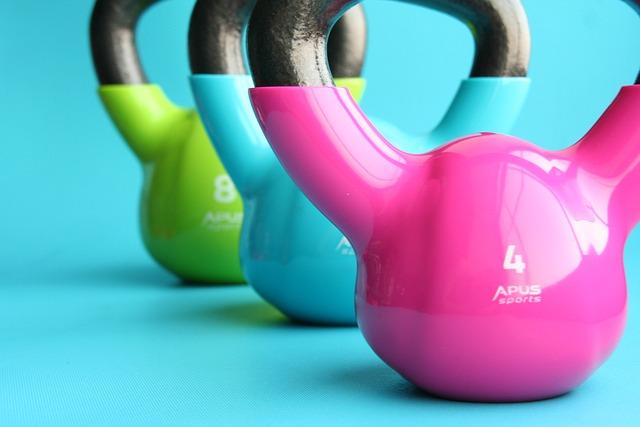
Looking to level up your Tibialis raises? Look no further than incorporating a kettlebell into this simple move. By upgrading this exercise, you can target your lower leg muscles more effectively and build strength in a whole new way. In this article, we’ll explore the benefits of using a kettlebell for Tibialis raises and provide tips on how to perform this upgraded movement with proper form. Get ready to take your workout to the next level!
Contents
- Benefits of Tibialis Raises with a Kettlebell
- Proper Form and Technique
- Common Mistakes to Avoid
- Progressive Overload: How to Upgrade the Exercise
- Targeted Muscles and Functional Benefits
- Choosing the Right Kettlebell Size
- Incorporating Tibialis Raises into Your Leg Day Routine
- Variations to Keep Your Workouts Interesting
- Injury Prevention Strategies
- The Conclusion
Benefits of Tibialis Raises with a Kettlebell
One of the key benefits of incorporating kettlebells into your tibialis raises is the added resistance that helps to target and strengthen the muscles in your shins more effectively. By holding a kettlebell securely against your foot while performing the raise, you are able to challenge your tibialis anterior muscle in a unique way that can lead to greater gains in strength and stability.
Additionally, using a kettlebell for tibialis raises can help improve your overall balance and coordination as you engage multiple muscles in your lower leg to control the movement. This can be particularly beneficial for athletes looking to enhance their agility and prevent injuries, as a strong tibialis anterior muscle can help stabilize the ankle and lower leg during quick directional changes or sudden stops.
Moreover, by incorporating kettlebells into your tibialis raises, you can easily progress the exercise by increasing the weight of the kettlebell or adjusting the number of repetitions. This flexibility allows you to continually challenge your muscles and track your progress over time, making it a versatile and effective exercise for building lower leg strength.

Proper Form and Technique
One way to upgrade the simple Tibialis Raises move is by incorporating a kettlebell into your routine. This will not only add resistance to the exercise but also engage more muscles in the process. To perform this variation, follow these steps:
- Begin by sitting on a bench or chair with your feet flat on the ground.
- Place a kettlebell on the floor in front of you, within easy reach.
- Secure your feet under the kettlebell handle. Make sure your toes are facing up towards the ceiling.
- Slowly lift the kettlebell by pointing your toes upwards, contracting your tibialis anterior muscle.
- Lower the kettlebell back down towards the floor and repeat for the desired number of repetitions.
By adding a kettlebell to your Tibialis Raises, you can effectively strengthen your tibialis anterior muscle and improve ankle stability. Remember to maintain throughout the exercise to maximize its benefits.
Common Mistakes to Avoid
When performing Tibialis Raises with a Kettlebell, there are a few common mistakes that you’ll want to avoid to ensure you’re getting the most out of this simple move.
- Avoid using a weight that is too heavy, as this can lead to improper form and potential injury. Start with a lighter kettlebell and focus on proper technique before increasing the weight.
- Make sure to keep your core engaged and your back straight throughout the movement. This will help target the tibialis anterior muscle effectively and prevent strain on other muscles.
- Don’t rush through the exercise. Take your time and focus on the contraction of the tibialis anterior muscle with each repetition for maximum benefit.
Progressive Overload: How to Upgrade the Exercise
One effective way to upgrade the tibialis raise exercise is by incorporating a kettlebell into the movement. This simple yet powerful modification can help increase the intensity of the exercise, leading to greater muscular development and strength gains. By adding resistance in the form of a kettlebell, you can effectively apply the principle of progressive overload, which is essential for continuous improvement.
When performing tibialis raises with a kettlebell, it is important to maintain proper form and technique. Start by securing your feet under a stable object, such as a bench or heavy furniture. Hold a kettlebell securely between your feet, ensuring a tight grip to prevent slippage. Slowly raise and lower your toes towards the ceiling, focusing on engaging the muscles in your shins. Slow, controlled movements are key to maximizing the benefits of this upgraded exercise.
By incorporating a kettlebell into your tibialis raise routine, you can take your lower leg strength to the next level. Consistent practice and gradual progression in weight will help you see improvements in muscle size and overall performance. Remember to listen to your body, adjust the weight as needed, and stay consistent with your training to achieve the best results.
Targeted Muscles and Functional Benefits
Kettlebell tibialis raises are a fantastic exercise that target the muscles in your shins, specifically the tibialis anterior. This often overlooked muscle plays a crucial role in ankle stability and dorsiflexion, making it important for overall lower body function.
By incorporating tibialis raises with a kettlebell into your routine, you can improve your balance, prevent ankle injuries, and even enhance your performance in activities like running, jumping, and squatting. This move not only strengthens the tibialis anterior but also engages the surrounding muscles in the lower leg, leading to better overall lower limb strength and stability.
Not only does this exercise offer functional benefits for athletes and fitness enthusiasts, but it can also be beneficial for individuals looking to improve their overall lower body strength and stability. Whether you’re a seasoned athlete or just starting your fitness journey, adding kettlebell tibialis raises to your routine can help you take your training to the next level.

Choosing the Right Kettlebell Size
When it comes to for your Tibialis Raises, it’s important to consider your current strength level and fitness goals. The weight of the kettlebell will directly impact the intensity and effectiveness of the exercise, so selecting the appropriate size is key. Here are some factors to keep in mind when selecting the right kettlebell size for your Tibialis Raises:
- Strength Level: Beginners may want to start with a lighter kettlebell to focus on proper form and technique, while more advanced individuals may opt for a heavier weight to challenge themselves.
- Fitness Goals: Consider whether you are looking to build muscle, improve endurance, or increase overall strength. Your goals will help determine the appropriate kettlebell size for your Tibialis Raises.
- Comfort and Safety: It’s important to choose a kettlebell size that feels comfortable and allows you to maintain proper form throughout the exercise. Using a weight that is too heavy can increase the risk of injury.

Incorporating Tibialis Raises into Your Leg Day Routine
can help strengthen the muscles on the front of your lower legs, improving ankle stability and preventing injuries. One way to upgrade this simple move is by using a kettlebell for added resistance. This can help you target the tibialis anterior more effectively and increase the challenge of the exercise.
When performing tibialis raises with a kettlebell, make sure to maintain proper form to maximize the benefits and minimize the risk of injury. Keep your core engaged, stand tall with your feet hip-width apart, and slowly lift your toes towards your shins while holding onto a kettlebell for added resistance. Lower back down with control and repeat for a set number of reps.
Adding tibialis raises with a kettlebell to your leg day routine can help you build stronger and more resilient lower legs. Consider incorporating this upgraded move into your workouts to see improvements in your ankle stability and overall leg strength.

Variations to Keep Your Workouts Interesting
One way to upgrade your Tibialis Raises routine is by incorporating a kettlebell into the exercise. This simple addition can make a big difference in targeting your lower legs and improving ankle strength. Holding the kettlebell by the handle with one hand, plant your feet firmly on the ground shoulder-width apart. Slowly raise your toes towards the ceiling, keeping your heels on the ground, and then lower back down to the starting position.
Adding a kettlebell to your Tibialis Raises not only adds resistance to the movement but also challenges your stability and balance. This variation can help strengthen the muscles in your shins, ankles, and feet, ultimately improving your overall lower body strength and stability. It’s a great way to keep your workouts interesting and continue making progress towards your fitness goals. So next time you’re looking to switch things up, grab a kettlebell and give this upgraded move a try!
Injury Prevention Strategies
When it comes to injury prevention in your workout routine, focusing on strengthening the tibialis anterior muscle is key. One effective exercise to target this muscle is tibialis raises with a kettlebell. This simple move can be upgraded by increasing the weight of the kettlebell gradually to challenge your muscles and improve strength.
Adding variations to this exercise, such as performing it on an unstable surface like a balance pad or wobble board, can further enhance stability and proprioception. Another way to upgrade tibialis raises is by incorporating isometric holds at the top of the movement to increase time under tension and build endurance. Remember to maintain proper form throughout the exercise to avoid injury.
Here is a sample workout template to incorporate tibialis raises with a kettlebell:
<table class="wp-block-table">

    <thead>

        <tr>

            <th>Exercise</th>

            <th>Sets</th>

            <th>Reps</th>

        </tr>

    </thead>

    <tbody>

        <tr>

            <td>Tibialis Raises with Kettlebell</td>

            <td>4</td>

            <td>12-15</td>

        </tr>

    </tbody>

</table>
The Conclusion
In conclusion, upgrading the simple tibialis raise with a kettlebell can take your lower leg strength to the next level. By incorporating this variation into your routine, you can target and strengthen the often overlooked muscles of the shin for improved performance and injury prevention. So, next time you hit the gym, don’t forget to grab a kettlebell and elevate your tibialis raises for maximum benefit. Your legs will thank you!