Workouts for ACL Recovery: Bounce Back Stronger Than Ever
Recovering from an ACL injury can be a daunting process, but with the right workouts and dedication, you can bounce back stronger than ever. In this article, we will explore effective exercises and techniques to help you on your journey to full recovery and regaining strength in your knee. Let’s dive in and get you back on track to feeling your best.
Contents
- Workouts for ACL Recovery: Understanding the Importance of Physical Therapy
- Building Strength: Targeted Exercises for Rehabilitating Your Knee
- Cardiovascular Workouts: Improving Endurance and Circulation After Surgery
- Flexibility Training: Stretching Techniques to Enhance Mobility and Functionality
- Plyometric Drills: Enhancing Power and Stability in the Lower Body
- Balance Exercises: Restoring Coordination and Reducing the Risk of Injury
- Strength Training: A Comprehensive Approach to Rebuilding Muscles
- Nutrition Tips: Fueling Your Body for Optimal Recovery and Performance
- Consulting with a Physical Therapist: Customizing a Workout Plan for Your Unique Needs
- In Summary
Workouts for ACL Recovery: Understanding the Importance of Physical Therapy
Physical therapy plays a crucial role in ACL recovery, helping individuals regain strength, flexibility, and overall function in the knee joint. Workouts designed specifically for ACL recovery focus on rebuilding muscle strength, improving range of motion, and enhancing stability to prevent future injuries. By following a structured physical therapy program, individuals can accelerate their recovery and return to their normal activities with confidence.
Some key workouts for ACL recovery include:
- Quad Sets: Isometric exercises to strengthen the quadriceps muscles.
- Hamstring Curls: Strengthening the hamstring muscles to support the knee joint.
- Leg Press: Improving overall leg strength and stability.
- Bridges: Engaging the core and glutes to enhance hip stability.
By incorporating these workouts into a comprehensive physical therapy program, individuals can improve their knee function, reduce pain, and minimize the risk of reinjury. Consistency and dedication to the prescribed exercises are key to bouncing back stronger than ever after an ACL injury.

Building Strength: Targeted Exercises for Rehabilitating Your Knee
In order to effectively rehabilitate your knee after an ACL injury, it is crucial to incorporate targeted exercises that will help you build strength and stability. By focusing on specific muscle groups, you can not only speed up your recovery process but also prevent future injuries. Here are some key workouts that will aid in your ACL recovery journey:
- Quad Sets: This exercise involves tightening the muscles on the front of your thigh while seated with your leg straight. Hold this contraction for a few seconds before releasing. Repeat for multiple sets.
- Hamstring Curls: Lie face down on a mat and bend your knee, bringing your heel towards your buttocks. Hold this position for a few seconds before lowering your leg back down. Repeat for several reps.
- Calf Raises: Stand on the edge of a step with your heels hanging off. Rise up onto your toes and then lower back down. This exercise helps strengthen your calf muscles, which are important for knee stability.
By incorporating these targeted exercises into your rehabilitation routine, you can bounce back stronger than ever and regain full function of your knee. Consistency and proper form are key, so be sure to consult with a physical therapist or healthcare provider to ensure you are performing these exercises correctly.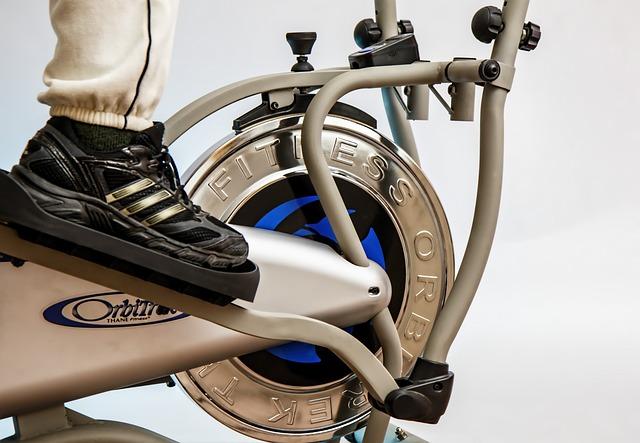
Cardiovascular Workouts: Improving Endurance and Circulation After Surgery
Recovering from ACL surgery can be a long and challenging process, but incorporating cardiovascular workouts into your rehabilitation routine can help speed up your recovery and get you back on your feet faster than ever. These workouts not only improve your endurance but also help increase circulation in the affected area, promoting healing and reducing inflammation.
Some effective cardiovascular exercises to include in your ACL recovery plan are:
- Cycling: Low-impact and gentle on the knees, cycling is a great way to improve cardiovascular fitness without putting too much strain on your healing ACL.
- Swimming: Water provides buoyancy, making swimming a low-impact yet highly effective cardiovascular workout that strengthens your entire body.
- Elliptical Training: Mimicking the motion of running without the impact on your joints, elliptical training is a fantastic way to improve endurance and circulation post-surgery.
| Exercise | Duration |
|---|---|
| Cycling | 30 minutes |
| Swimming | 45 minutes |
| Elliptical Training | 20 minutes |

Flexibility Training: Stretching Techniques to Enhance Mobility and Functionality
When recovering from an ACL injury, it is crucial to incorporate flexibility training into your workout routine to enhance mobility and functionality. Stretching techniques can help improve range of motion, prevent muscle stiffness, and aid in the overall recovery process. By focusing on flexibility, you can bounce back stronger than ever and reduce the risk of future injuries.
Here are some effective stretching techniques to include in your ACL recovery workouts:
- Dynamic Stretching: Incorporate movements that mimic the activity you will be doing, such as leg swings or arm circles, to warm up your muscles and improve flexibility.
- Static Stretching: Hold stretches for 15-30 seconds to elongate the muscles and improve flexibility, focusing on areas like the quadriceps, hamstrings, and calves.
- PNF Stretching: Partner-assisted stretching techniques can help improve range of motion and flexibility, making it ideal for ACL recovery.
Plyometric Drills: Enhancing Power and Stability in the Lower Body
Plyometric drills are an essential component of any ACL recovery workout program. These dynamic exercises are designed to enhance power and stability in the lower body, helping to strengthen the muscles surrounding the knee and improve overall balance. By incorporating plyometric drills into your rehabilitation routine, you can accelerate your recovery time and reduce the risk of reinjury.
Some key plyometric drills to consider adding to your ACL recovery workout plan include:
- Box jumps: Jumping onto a box or platform helps to build explosive power in the legs while also improving proprioception and balance.
- Depth jumps: Dropping off a box and immediately jumping as high as possible upon landing helps to improve reactive strength and neuromuscular control.
- Squat jumps: Performing a jump at the top of a squat motion helps to strengthen the quadriceps, hamstrings, and glutes, all of which are crucial for knee stability.

Balance Exercises: Restoring Coordination and Reducing the Risk of Injury
If you’re on the road to ACL recovery, incorporating balance exercises into your workout routine can be incredibly beneficial. Not only do these exercises help restore coordination, but they also play a crucial role in reducing the risk of future injuries. By focusing on improving stability and strength in the knee and surrounding muscles, you can bounce back stronger than ever.
Adding balance exercises to your rehab plan offers a wide range of benefits, such as:
- Enhanced proprioception
- Improved neuromuscular control
- Increased joint stability
By consistently incorporating these exercises into your routine, you can expedite your recovery process and build a solid foundation for preventing further injuries down the road.

Strength Training: A Comprehensive Approach to Rebuilding Muscles
When recovering from an ACL injury, it’s crucial to focus on rebuilding strength in the affected muscles to prevent future injuries and regain function. Strength training offers a comprehensive approach to rebuilding muscles and improving overall performance. By incorporating a variety of exercises that target different muscle groups, you can bounce back stronger than ever.
**Benefits of Strength Training for ACL Recovery:**
- Increases muscle mass and strength
- Improves joint stability and balance
- Enhances overall physical performance
**Sample Workouts for ACL Recovery:**
| Exercise | Sets | Reps |
|---|---|---|
| Squats | 3 | 12 |
| Lunges | 3 | 10 (each leg) |
| Deadlifts | 3 | 8 |

Nutrition Tips: Fueling Your Body for Optimal Recovery and Performance
Proper nutrition plays a crucial role in accelerating the recovery process and enhancing performance, especially when it comes to rehabilitating from an ACL injury. The right fuel can help you bounce back stronger than ever, ensuring your body has the necessary nutrients to heal and rebuild muscle tissue.
When focusing on nutrition for ACL recovery and performance, it’s essential to prioritize foods that are rich in antioxidants, vitamins, and minerals. These nutrients can help reduce inflammation, support tissue repair, and boost overall immune function. Include plenty of fresh fruits and vegetables, lean proteins, whole grains, and healthy fats in your diet to support optimal recovery and performance.
- Hydrate: Drink plenty of water throughout the day to stay hydrated and support proper muscle function.
- Protein: Include lean sources of protein such as chicken, fish, tofu, and legumes to aid in muscle repair and recovery.
- Healthy Fats: Incorporate foods rich in omega-3 fatty acids like salmon, walnuts, and flaxseeds to reduce inflammation and support joint health.

Consulting with a Physical Therapist: Customizing a Workout Plan for Your Unique Needs
When recovering from an ACL injury, it’s crucial to work closely with a physical therapist to create a customized workout plan that meets your specific needs. Your physical therapist will assess your current physical condition, range of motion, strength, and mobility to design a plan that will help you bounce back stronger than ever.
During your consultation with a physical therapist, they will focus on creating a plan that targets your ACL recovery goals. This may include exercises to improve stability, balance, flexibility, and overall muscle strength. Your therapist will also consider any limitations or restrictions you may have due to your injury.
With a tailored workout plan in place, you can confidently embark on your journey to recovery, knowing that you are taking the necessary steps to regain your strength and mobility. Trust in the expertise of your physical therapist to guide you through each step of the process, helping you achieve optimal results and get back to doing the activities you love.
In Summary
In conclusion, incorporating specific workouts into your ACL recovery plan can help you bounce back stronger than ever. By targeting key muscle groups, improving flexibility, and gradually increasing intensity, you can progress towards a full recovery with confidence. Remember, always consult with your healthcare provider before starting any new exercise regimen. Stay committed, stay focused, and watch yourself emerge stronger on the other side. You’ve got this!