Anterior Tibialis Surgery Explained: When and Why You Might Need It
Are you experiencing persistent pain and weakness in your lower leg? You may be a candidate for anterior tibialis surgery, a procedure designed to address a variety of issues related to this key muscle. In this article, we’ll delve into when and why you might need this surgery, providing you with the information you need to make an informed decision about your healthcare. Let’s explore the ins and outs of anterior tibialis surgery together.
Contents
- Overview of Anterior Tibialis Surgery
- Common Conditions Requiring Anterior Tibialis Surgery
- Symptoms That Indicate You May Need Anterior Tibialis Surgery
- Diagnostic Tests for Anterior Tibialis Issues
- Conservative Treatment Options Before Considering Surgery
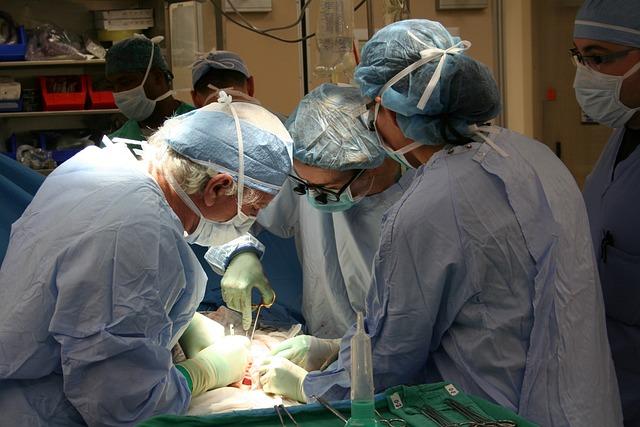
- Types of Anterior Tibialis Surgeries Available
- Recovery Process Following Anterior Tibialis Surgery
- Potential Risks and Complications of Anterior Tibialis Surgery
- Expected Outcomes of Anterior Tibialis Surgery
- In Conclusion
Overview of Anterior Tibialis Surgery
The surgical procedure for anterior tibialis issues involves addressing problems with the anterior tibialis tendon, commonly due to overuse, injury, or structural abnormalities. This type of surgery is typically recommended when conservative treatments like rest, physical therapy, or orthotics have not provided relief.
The surgery aims to repair or reconstruct the affected tendon to restore proper function and alleviate pain. It can involve various techniques, such as tendon debridement, tendon transfer, or tendon lengthening, depending on the specific condition and severity of the injury. Your orthopedic surgeon will determine the most appropriate approach based on your individual case.
Recovery from anterior tibialis surgery can vary depending on the extent of the procedure and individual factors. Physical therapy is usually recommended to help regain strength and mobility in the affected area. It’s important to follow your surgeon’s post-operative instructions carefully to ensure the best possible outcome.
Common Conditions Requiring Anterior Tibialis Surgery
Anterior tibialis surgery may be necessary to address a variety of conditions that affect the anterior tibialis muscle and tendon. Some common conditions that may require anterior tibialis surgery include:
- Chronic anterior tibialis tendonitis
- Tendon tears
- Anterior compartment syndrome
- Tendon dysfunction
- Structural abnormalities causing pain or dysfunction
If you are experiencing persistent pain, weakness, or other symptoms in your lower leg or ankle, it’s essential to consult with a qualified orthopedic surgeon to determine if anterior tibialis surgery is the right treatment option for you. By addressing these conditions surgically, patients can often experience relief, improved function, and a quicker return to their normal daily activities.

Symptoms That Indicate You May Need Anterior Tibialis Surgery
If you are experiencing persistent pain, weakness, or numbness in the front of your lower leg, you may need to consider anterior tibialis surgery. Here are some common symptoms that indicate surgery may be necessary:
- Chronic pain in the front of the lower leg that does not respond to conservative treatments
- Weakened muscles in the front of the lower leg, leading to difficulty walking or participating in physical activities
- Numbness or tingling in the lower leg or foot, especially when walking or exercising
- Difficulty flexing or pointing the foot, along with noticeable deformities in the leg or foot
If you are experiencing any of these symptoms, it is important to consult with a healthcare professional to determine if anterior tibialis surgery is the right course of action for you.

Diagnostic Tests for Anterior Tibialis Issues
One common diagnostic test for anterior tibialis issues is the physical examination conducted by a healthcare provider. During this examination, the provider will assess the strength and flexibility of the anterior tibialis muscle, as well as the range of motion in the ankle and foot. They may also observe your gait and ask you to perform specific movements to pinpoint any issues with the muscle.
Another diagnostic test that may be used is electromyography (EMG), which measures the electrical activity in the muscles. This test can help determine if there is nerve damage affecting the function of the anterior tibialis muscle. Additionally, imaging tests such as X-rays, MRIs, or CT scans may be ordered to get a more detailed look at the muscle and surrounding structures.
In some cases, a diagnostic ultrasound may be used to assess the anterior tibialis muscle and identify any abnormalities. This non-invasive test uses sound waves to create images of the muscle, allowing healthcare providers to visualize any tears, inflammation, or other issues that may be present.
Conservative Treatment Options Before Considering Surgery
When dealing with anterior tibialis issues, there are several conservative treatment options that can be explored before jumping into surgery. These methods are often effective in managing pain and improving function, without the need for invasive procedures. It is essential to consider these options first, as surgery should always be a last resort.
Some conservative treatment options for anterior tibialis problems include:
- Physical Therapy: Targeted exercises can help strengthen the muscles around the tibia, improving stability and reducing pain.
- Orthotic Inserts: Custom orthotics can provide support and correct any biomechanical issues that may be contributing to the problem.
- Rest and Ice: Giving the affected area time to heal and using ice to reduce inflammation can be beneficial in managing pain.
Types of Anterior Tibialis Surgeries Available
One of the is anterior tibialis tendon repair. This surgery is typically recommended for individuals who have experienced a tear or rupture in the anterior tibialis tendon, which can cause pain, weakness, and instability in the foot and ankle. During the procedure, the damaged tendon is repaired and reattached to the bone to restore function and stability.
Another common anterior tibialis surgery is anterior tibialis tendon transfer. This procedure is often recommended for individuals with chronic tendon dysfunction or deformity, such as flatfoot or drop foot. During the surgery, the tendon is repositioned or transferred to improve the alignment and function of the foot and ankle. This can help alleviate pain, improve mobility, and prevent further damage to surrounding tissues.
In some cases, a more extensive procedure known as anterior tibialis tendon reconstruction may be necessary. This surgery involves replacing the damaged tendon with a graft from another part of the body or a synthetic material to restore strength and stability to the foot and ankle. It is typically reserved for individuals with severe tendon damage or dysfunction that has not improved with conservative treatments.
Recovery Process Following Anterior Tibialis Surgery
Following anterior tibialis surgery, it is important to understand the recovery process to ensure a successful outcome. Here are a few key points to keep in mind:
- Incision Care: Properly care for your incision site to prevent infection. Keep it clean and dry, and follow any specific instructions provided by your healthcare provider.
- Rest and Elevate: Allow your foot to rest and elevate it above heart level to reduce swelling and promote healing.
- Physical Therapy: Your healthcare provider may recommend physical therapy to regain strength and mobility in your foot and ankle.
It is important to follow your healthcare provider’s recommendations closely to ensure a smooth recovery process. By taking care of yourself and following post-operative instructions, you can increase your chances of a successful outcome following anterior tibialis surgery.
Potential Risks and Complications of Anterior Tibialis Surgery
After undergoing anterior tibialis surgery, patients may experience some potential risks and complications that should be considered before the procedure. It is important to be aware of these risks to make an informed decision. Some of the possible risks and complications of anterior tibialis surgery include:
- Infection: There is a risk of infection at the surgical site, which may require further treatment.
- Nerve damage: There is a possibility of nerve damage during the surgery, which can lead to numbness or weakness in the affected area.
- Blood clots: Blood clots can form in the legs after surgery, leading to complications such as deep vein thrombosis.
It is important to discuss these risks with your healthcare provider and weigh the potential benefits of anterior tibialis surgery against the possible complications. By understanding the risks involved, you can make an informed decision about whether this procedure is right for you.
Expected Outcomes of Anterior Tibialis Surgery
The can vary depending on the individual and the specific reasons for undergoing the procedure. Some common expected outcomes may include:
- Relief from chronic pain and discomfort in the front of the lower leg
- Improved mobility and ability to participate in physical activities without pain
- Correction of issues such as tendonitis, muscle weakness, or nerve damage that may be affecting the anterior tibialis muscle
It’s important to note that the success of anterior tibialis surgery can also depend on factors such as the skill of the surgeon, the overall health of the patient, and their commitment to post-operative care and rehabilitation. Discussing specific outcomes with your healthcare provider is the best way to understand what to expect from anterior tibialis surgery.
In Conclusion
In conclusion, anterior tibialis surgery is a procedure that can help alleviate pain and improve mobility for those suffering from a variety of conditions. Whether you have tried other treatment options without success or your doctor has recommended surgery as part of your treatment plan, understanding the reasons for and process of this procedure can help you make an informed decision. If you are experiencing persistent pain or limited mobility in your lower leg, it may be time to consult with a medical professional to explore your options. Remember, the goal of anterior tibialis surgery is to improve your quality of life and get you back to doing the activities you love.
Get our latest guides, news, and insights highlighted in your Google Search & AI Overviews.