

How to Warm Up Your Knees for Squats and Prevent Injury
Do you experience knee pain when doing squats? Properly warming up your knees before hitting the squat rack is essential for preventing injury and maximizing your performance. In this article, we will guide you through effective techniques to prep your knees for squats, ensuring a safe and successful workout session. Let’s dive in!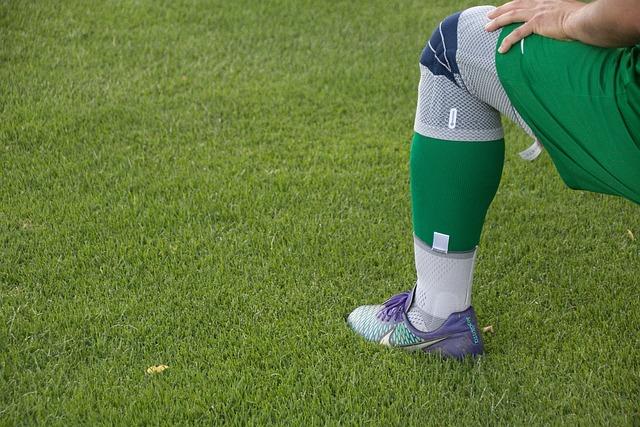
Contents
- – Importance of Proper Knee Warm-Up Before Squats
- – Dynamic Stretches to Prime Your Knees for Squats
- – Best Exercises to Strengthen and Stabilize Knee Joints
- – Techniques to Improve Knee Flexibility and Mobility
- – Precautions to Take to Avoid Knee Injuries During Squats
- – Understanding Common Mistakes That Lead to Knee Pain in Squats
- – Tips for Gradually Increasing Intensity Without Straining Your Knees
- – Consulting with a Physical Therapist for Individualized Warm-Up Routine
- To Conclude
– Importance of Proper Knee Warm-Up Before Squats
Proper knee warm-up before squats is essential to prevent injury and ensure optimal performance. The knees are one of the most vulnerable joints during squats, so taking the time to properly warm them up can make a significant difference in your workout. Here are some key points to keep in mind when warming up your knees before squats:
- Dynamic stretching: Incorporate dynamic stretches like leg swings, hip circles, and leg raises to increase blood flow to the muscles surrounding the knee joint.
- Light cardio: Start your warm-up with a few minutes of light cardio to raise your heart rate and warm up your entire body, including your knees.
- Proper form: Focus on maintaining proper form throughout your warm-up exercises to avoid putting unnecessary strain on your knees.
| Exercise | Repetitions |
|---|---|
| Leg swings | 10 on each leg |
| Hip circles | 10 in each direction |
| Leg raises | 15 on each leg |

– Dynamic Stretches to Prime Your Knees for Squats
Before diving into your squats, it’s crucial to properly warm up your knees to prevent potential injuries. Dynamic stretches are a great way to prime your knees and get them ready for the workout ahead. Here are some dynamic stretches you can incorporate into your routine:
- Leg swings: Stand upright and swing one leg forward and backward in a controlled motion, gradually increasing the range of motion. Repeat on the other leg.
- Walking lunges: Take long strides forward, bending your front knee at a 90-degree angle while keeping your back knee just above the ground. Alternate legs as you walk.
- Butt kicks: Jog in place and kick your heels up towards your glutes as high as you can, focusing on engaging your quads and hamstrings.
| Stretch | Benefit |
|---|---|
| Leg swings | Improves hip mobility and warms up the knee joint |
| Walking lunges | Stretches the hip flexors and strengthens the quads |
| Butt kicks | Activates the hamstrings and increases blood flow to the knees |
By incorporating these dynamic stretches into your warm-up routine, you can ensure that your knees are properly primed for squats and reduce the risk of injury during your workout. Remember to listen to your body and adjust the intensity of the stretches as needed to avoid overexertion.
– Best Exercises to Strengthen and Stabilize Knee Joints
When it comes to strengthening and stabilizing your knee joints, there are a variety of exercises that can help you prepare for squats and prevent injury. Incorporating these exercises into your warm-up routine can make a difference in your overall knee health and performance.
Some of the best exercises to consider include:
- Lunges: Lunges help strengthen the muscles around the knee joint, including the quadriceps, hamstrings, and glutes.
- Step-ups: Step-ups are effective in building stability in the knees and improving balance.
- Leg presses: Leg presses target the quadriceps and can help increase strength in the knee joint.
By incorporating these exercises into your warm-up routine, you can help prevent injury and improve your squat performance. Remember to listen to your body and consult with a fitness professional if you have any concerns about your knee health.

– Techniques to Improve Knee Flexibility and Mobility
To improve knee flexibility and mobility for squatting, it is crucial to implement proper warm-up techniques. One effective way to prepare your knees for squats is to perform dynamic stretching exercises that target the quadriceps, hamstrings, and calves. Some examples of dynamic stretches include leg swings, walking lunges, and high knees. These movements help increase blood flow to the muscles surrounding the knee joint, improving range of motion and reducing the risk of injury.
Additionally, incorporating foam rolling into your warm-up routine can help alleviate tightness in the muscles and fascia around the knee. Foam rolling the quadriceps, hamstrings, and IT band can help release tension and improve mobility. It is important to focus on areas of tightness and spend at least 1-2 minutes rolling each muscle group. Remember to breathe deeply and relax into the foam roller, allowing the muscles to release and soften.
Another effective technique to improve knee flexibility and mobility is to incorporate strength training exercises that target the muscles surrounding the knee joint. Building strength in the quadriceps, hamstrings, and glutes can help support the knees and improve overall stability. Some beneficial exercises include squats, lunges, and leg presses. By incorporating a combination of dynamic stretching, foam rolling, and strength training into your warm-up routine, you can effectively improve knee flexibility and mobility, reducing the risk of injury during squats.
– Precautions to Take to Avoid Knee Injuries During Squats
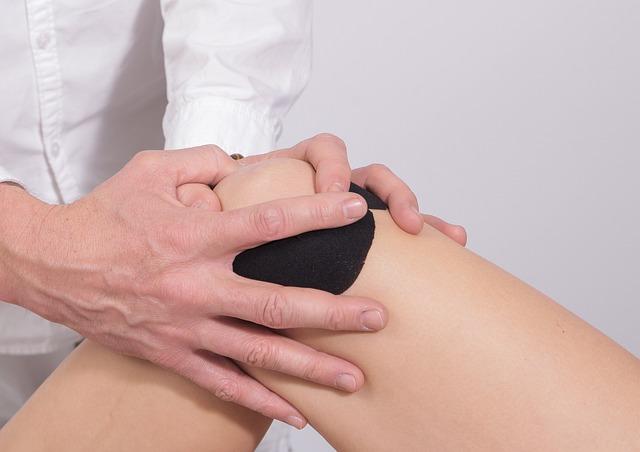
To ensure you prevent knee injuries during squats, it’s crucial to properly warm up your knees before starting your workout. This will help prepare your joints and muscles for the movements involved in squatting. Here are some precautions you can take to avoid knee injuries:
- Dynamic Stretching: Perform dynamic stretches like leg swings, knee circles, and hip circles to improve blood flow and flexibility in your knees.
- Foam Rolling: Use a foam roller to target tight muscles in your legs, especially around the knees, to reduce tension and prevent strain during squats.
- Proper Form: Focus on maintaining proper squat form, such as keeping your knees in line with your toes and not letting them collapse inward.
- Gradual Progression: Increase the intensity of your squats gradually to avoid overloading your knees with weight too quickly.
- Listen to Your Body: Pay attention to any discomfort or pain in your knees during squats, and adjust your technique or weight accordingly.
– Understanding Common Mistakes That Lead to Knee Pain in Squats
One of the most common mistakes that can lead to knee pain in squats is not properly warming up before starting your workout. By taking the time to properly warm up your knees, you can prevent injury and ensure that you are able to perform your squats safely and effectively.
One way to warm up your knees before squats is to perform dynamic stretches that target the muscles around your knee joint. Some effective dynamic stretches for your knees include leg swings, knee circles, and lunges. These stretches help to increase blood flow to the muscles, improve flexibility, and reduce the risk of injury during your squat workout.
Another important aspect of preventing knee pain in squats is to ensure that you are using proper form when performing the exercise. This includes keeping your knees in line with your toes, not letting them collapse inward during the movement. By maintaining proper form and incorporating a thorough warm-up routine, you can avoid common mistakes that lead to knee pain in squats and keep your knees healthy and strong.

– Tips for Gradually Increasing Intensity Without Straining Your Knees
When it comes to increasing the intensity of your squats without straining your knees, it’s essential to warm up properly to prevent injury. Follow these tips to gradually build up your strength and protect your knees:
- Start with a dynamic warm-up to loosen up your muscles and joints, such as leg swings or hip circles.
- Focus on proper form during your squats to avoid any unnecessary strain on your knees. Keep your knees in line with your toes and maintain a neutral spine throughout the movement.
- Listen to your body and gradually increase the weight and reps of your squats over time. Pushing yourself too hard too soon can lead to injury.
By following these tips and taking care of your knees, you can safely increase the intensity of your squats and see progress in your strength training routine.

– Consulting with a Physical Therapist for Individualized Warm-Up Routine
When it comes to performing squats, having a proper warm-up routine is essential to prevent injury and maximize performance. Consulting with a physical therapist can help you create an individualized warm-up routine tailored to your specific needs. By addressing any weaknesses or imbalances in your muscles and joints, you can avoid potential injuries and improve your overall squat technique.
During your consultation with a physical therapist, they may recommend specific exercises and stretches to target the muscles around your knees. These exercises can help improve flexibility, strength, and stability, which are crucial for proper squat mechanics. By incorporating these exercises into your warm-up routine, you can prepare your body for the demands of squatting and reduce the risk of knee injuries.
Additionally, a physical therapist can provide guidance on proper form and technique to ensure you are executing squats correctly. By understanding the biomechanics of the squat movement and receiving feedback from a professional, you can optimize your performance and reduce the likelihood of strain or injury on your knees. Consulting with a physical therapist for an individualized warm-up routine is a proactive step towards safeguarding your knee health and enhancing your squatting abilities.
To Conclude
So, there you have it! By incorporating these simple warm-up exercises into your routine, you can effectively prepare your knees for squats and reduce the risk of injury. Remember, taking care of your body is crucial in achieving your fitness goals, so don’t skip this important step. Stay safe, stay strong, and happy squatting!
Get our latest guides, news, and insights highlighted in your Google Search & AI Overviews.


