
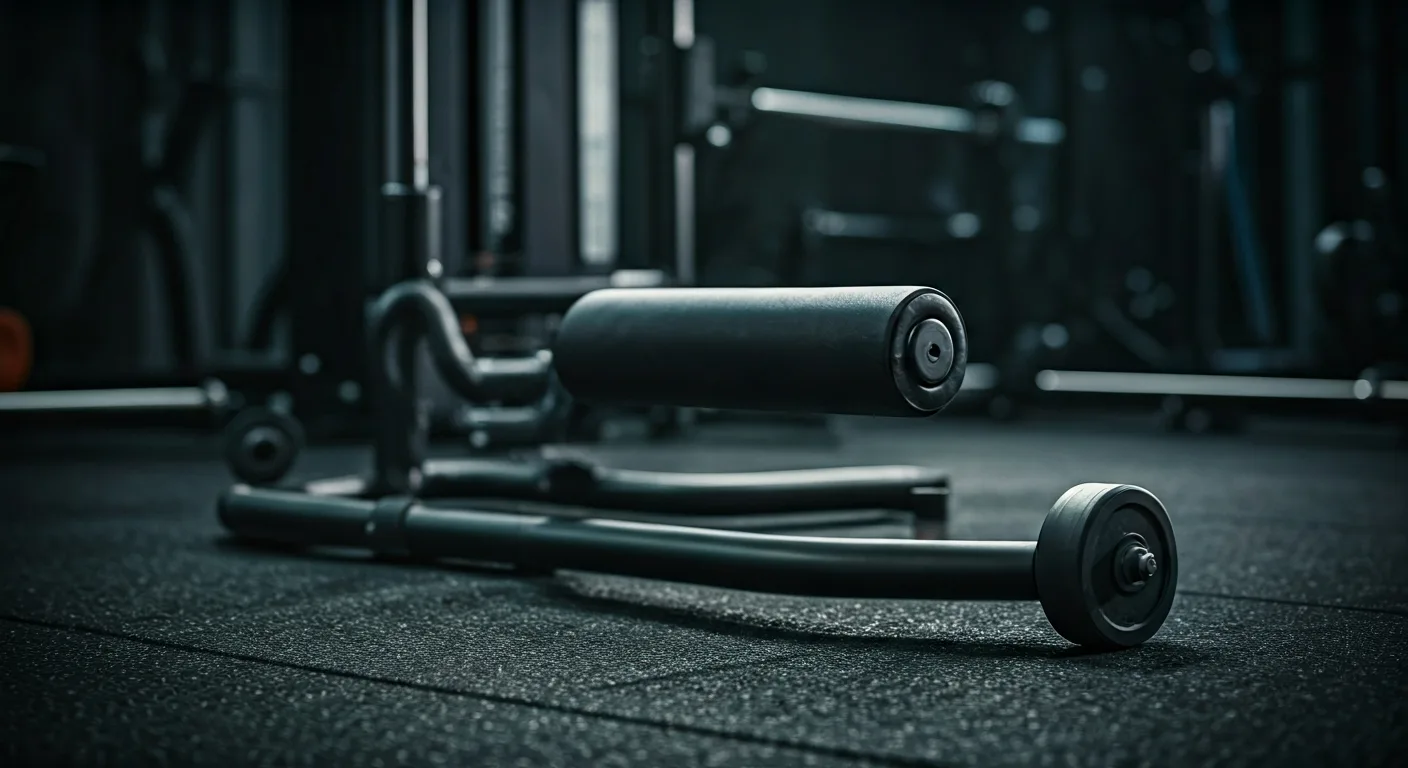
Single Leg Tib Bar: The Ultimate Guide to Unilateral Shin Strength
Single leg tib bar training is the most effective way to isolate your lower leg muscles and build bulletproof shins. This specialized equipment allows you to train each leg independently for maximum strength gains. By focusing on unilateral movements, you can correct muscle imbalances that standard bilateral bars often miss. It is an essential tool for athletes, runners, and anyone looking to improve lower body resilience.
Contents
- What is a Single Leg Tib Bar and How Does It Work?
- Single Leg vs. Bilateral Tib Bars: Why Unilateral Training Matters
- Key Benefits: From Shin Splint Relief to Explosive Jumping
- Targeted Muscles: Bulletproofing Your Tibialis Anterior
- How to Setup and Use a Single Leg Tib Bar Correctly
- Best Exercises: Tib Raises, Ankle Inversion, and Eversion
- Integrating the Solo Tib Bar into Your Training Routine
- Frequently Asked Questions
What is a Single Leg Tib Bar and How Does It Work?
The solo tib bar is a revolutionary piece of fitness equipment engineered to strengthen the often-neglected muscles of the lower leg. It features a specialized sleeve or strapping system that securely attaches standard weight plates to a single foot. This smart design enables a full, unrestricted range of motion for targeted tibialis anterior isolation. Unlike traditional gym machines, this free-weight approach demands stabilization from your entire lower limb.
When you perform reps with a unilateral tib bar, you are actively engaging in resisted dorsiflexion. This movement requires you to pull your toes toward your knee strictly against the gravitational pull of the weight. The biomechanics of this exact exercise perfectly mimic the deceleration forces your body experiences during intense running and jumping. Mastering this movement pattern is critical for anyone wanting to run faster or jump higher without pain.
Executive Summary
The single leg tib bar provides unparalleled isolation for the shin muscles, offering a targeted approach to injury prevention and performance enhancement. By utilizing progressive overload in a unilateral format, athletes can systematically eliminate weak links in their lower kinetic chain. This method directly supports the principles championed by the knees over toes guy for optimal joint health.
Single Leg vs. Bilateral Tib Bars: Why Unilateral Training Matters
Understanding the difference between single and bilateral equipment is crucial for your lower body bulletproofing journey. While standard two-legged bars are fantastic for building overall strength, they inherently allow your dominant leg to overcompensate. Unilateral training forces each leg to carry its own weight entirely independently. This focused isolation is absolutely essential for overcoming hidden muscular asymmetries.
When you train one leg at a time, you can accurately identify and systematically address specific weak points. It is a critical factor in true lower body rehabilitation and long-term joint stability. Many athletes who switch to a single leg setup discover shocking differences in strength between their left and right sides. Correcting these imbalances directly translates to improved athletic performance and decreased injury risk on the field.
Single Leg Approach
Provides complete isolation for each limb to correct muscle imbalances effectively. Allows for complex multi-planar movements like inversion and eversion. Perfect for targeted rehab and addressing unilateral ankle instability.
Bilateral Approach
Trains both legs simultaneously, which is excellent for moving heavier maximum loads. Faster to setup for quick workouts, but can sometimes mask underlying weaknesses in the non-dominant leg during heavy lifts.
- Maximum isolation of the tibialis anterior
- Fixes left-to-right strength imbalances
- Unlocks multi-planar ankle mobility
- Easier to store and transport
- Workouts take slightly longer to complete
- Requires more balance and core stability
- Slightly steeper learning curve for beginners
Key Benefits: From Shin Splint Relief to Explosive Jumping
The primary advantage of using a unilateral tib bar is profound shin splints prevention. By strengthening the muscle tissue along the front of your tibia, you create a robust natural shock absorber for your knees. This enhanced shock absorption significantly reduces the brutal impact stress experienced during running on hard surfaces. Countless runners have completely eliminated their chronic lower leg pain by integrating this simple tool.
Another major benefit is the massive boost in vertical leap capabilities. The tibialis anterior acts as the vital antagonist to your powerful calf muscles. This means stronger shins neurologically allow for much more powerful and explosive calf contractions. Athletes across all sports use this specific equipment to increase their explosive ground reaction forces safely.
Improved biomechanics naturally follow consistent and heavy tibialis raises. As your ankle mobility drastically improves, your entire lower kinetic chain functions far more efficiently. This leads to better squat depths, reduced patellar knee pain, and a remarkably resilient physical foundation.
Targeted Muscles: Bulletproofing Your Tibialis Anterior
Your lower leg contains several crucial muscle groups that dictate your overall athletic performance and agility. The star of the show is the tibialis anterior, which runs right alongside the exterior of your shin bone. When you strap into a solo tib bar, this specific muscle does the heavy lifting to pull your foot upwards. Developing this muscle is the cornerstone of modern lower body bulletproofing protocols.
However, the physical benefits extend far beyond just this one isolated muscle group. Proper unilateral training also heavily engages the smaller, intricate stabilizing muscles around the complex ankle joint. This comprehensive engagement is exactly what Knees Over Toes principles forcefully advocate for achieving true structural balance. Ignoring these muscles is a guaranteed recipe for debilitating lower leg injuries.
| Muscle Group | Primary Function | Impact on Performance |
|---|---|---|
| Tibialis Anterior | Dorsiflexion (lifting toes) | Absorbs shock, prevents shin splints |
| Calf and Shin Muscles | Plantarflexion & Stabilization | Enhances jump height and sprint speed |
| Extensor Digitorum Longus | Toe extension | Improves balance and foot control |
How to Setup and Use a Single Leg Tib Bar Correctly
Setting up your equipment properly ensures maximum safety and optimal muscle fiber activation. Start by selecting a very lightweight Olympic plate to establish proper form before heavily progressing. Securely fasten the strap or mechanical clamp firmly over your shoe to prevent the bar from slipping during the movement. A tight, secure fit is mandatory for transferring the resistance smoothly into the target muscles.
Sit comfortably on a sturdy bench with your working leg extended perfectly straight in front of you. Ensure your ankle is hanging completely off the edge of the bench to allow full joint articulation. This elevated position provides the necessary physical clearance for a complete, deep dorsiflexion stretch. Maintain a rigid, neutral spine and hold onto the bench sides tightly to stabilize your upper torso.
Slowly and deliberately lower your toes toward the ground until you feel a deep, burning stretch in your shin. Hold this absolute bottom position for one full second to entirely eliminate any bouncing or momentum. Powerfully flex your foot upward, intentionally contracting the shin muscle as hard as humanly possible at the very top.
Best Exercises: Tib Raises, Ankle Inversion, and Eversion
The foundational movement of this protocol is the standard single leg tibialis raise. By lifting the weight straight up and straight down, you build raw tibial strength in the sagittal plane. Aim for high endurance rep ranges of 15 to 20 repetitions to aggressively pump nutrient-rich blood into the dense fascia. This high-rep strategy is proven to thicken the tendons and accelerate injury healing.
To fully utilize the distinct unilateral advantage, you must incorporate specialized ankle inversion and eversion exercises. Rotate your foot inward aggressively against the weight to uniquely target the lateral ankle stabilizers. Then, carefully rotate your foot outward to deeply strengthen the medial components of the ankle joint.
These multi-planar movements are the undisputed secret to curing chronic, recurring ankle instability. By fortifying the joint from every conceivable angle, you dramatically reduce the risk of severe lateral sprains. This comprehensive approach is highly recommended for basketball players, tennis athletes, and rugged trail runners.
Integrating the Solo Tib Bar into Your Training Routine
Adding this incredible tool to your current regimen requires thoughtful, strategic programming for optimal results. Treat your shin training with the exact same respect and dedication as your heavy compound lifts. Incorporate the unilateral tib bar at the very end of your standard leg days to avoid pre-exhausting your prime movers. This placement ensures your squats and deadlifts are never compromised by fatigued stabilizers.
Consistency is the ultimate key to mastering progressive overload with this specialized equipment. Start with just two dedicated sessions per week, performing three challenging sets per individual leg. Gradually increase the weight by tiny, fractional increments to ensure continuous adaptation without ever risking overuse injuries. Patience is vital, as these smaller muscles require significant time to adapt to heavy mechanical loading.
Combining this isolation work with deep split squats and lunges will radically revolutionize your athletic capacity. You will quickly notice significant, measurable improvements in your ability to decelerate rapidly and safely change directions. Ultimately, this small investment in your lower body biomechanics will yield a much longer, healthier training lifespan.
Frequently Asked Questions
Is a single leg tib bar better than a two-legged one?
How much weight should I use on a solo tib bar?
Can this equipment help with knee pain?
Get our latest guides, news, and insights highlighted in your Google Search & AI Overviews.