
The Shocking Anterior Tibialis Pain Causes They Don’t Want You To Know
Are you experiencing anterior tibialis pain? We uncover the shocking causes that are often overlooked. Stay informed and take control of your health.
The lower limb kinesiology and biomechanics of the ‘Tibialis’ anterior muscle focus on the stabilization of the ankle joint and the prevention of ‘Shin Splints’ through eccentric strengthening. Analyzing Tibialist protocols requires an understanding of dorsiflexion mechanics, the role of the ‘Anterior Compartment’ in shock absorption, and the impact of ‘Knees Over Toes’ training on patellar tendon health.The Lower Limb Kinesiology & Anterior Compartment Biomechanics hub analyzes the mechanics of the lower leg. Core attributes include the use of ‘Tibialis Raises’ to build structural resilience, the role of the tibialis in decelerating the foot during the gait cycle, and the integration of ‘Voodoo Floss’ for tissue mobilization. The clinical value lies in the transition from isolated treatment to holistic, movement-based longevity.
Dorsiflexion Torque & Eccentric Loading Dynamics
We examine how a strong tibialis anterior acts as the ‘first line of defense’ for the knees and ankles, absorbing forces that would otherwise damage the joints. Our kinesiologic guides focus on the science of ‘Anterior Tibial Stress Syndrome’ (ATSS) and the use of progressive loading to increase connective tissue thickness. Understanding the biomechanics of the tibialis is essential for athletes and anyone seeking pain-free movement.
Anatomy: Tibialis Origins and the Tibial Nerve
To truly master lower body mechanics, we must look beyond just the muscles. The tibialis origins trace back to the upper two-thirds of the lateral surface of the tibia, inserting down into the medial cuneiform and first metatarsal bones of the foot. This precise anatomical routing is what allows for powerful dorsiflexion and inversion. Furthermore, it’s vital to understand the neurological pathways involved; while the deep fibular nerve innervates the anterior compartment, the tibial nerve (a major branch of the sciatic nerve) controls the posterior compartment. Together, these systems coordinate the complex balance and stability required for athletic performance. Every true tibialist should understand how these structures interact.
FAQ: Kinesiology Science
Why is the Tibialis Anterior neglected in traditional training? Most gym equipment focuses on the ‘posterior chain’ (calves, hamstrings). However, the tibialis is the antagonist to the calf; if the calf is significantly stronger than the tibialis, it creates an imbalance that leads to poor ankle mobility and increased risk of knee pain.
How does ‘Knees Over Toes’ training help? By strengthening the tibialis anterior and the soleus in lengthened positions, you increase the ‘braking capacity’ of the lower leg. This allows for safer deceleration during jumping or running, protecting the delicate structures of the knee joint.
What is the relationship between the tibialis anterior and the tibial nerve? The tibial nerve, a major branch of the sciatic nerve, supplies motor function to the posterior compartment, while the deep fibular nerve supplies the tibialis anterior. Both are crucial for lower leg stability and movement.
Training: Biomechanic Data.

Are you experiencing anterior tibialis pain? We uncover the shocking causes that are often overlooked. Stay informed and take control of your health.
The tibialis anterior muscle attaches to the tibia and fibula bones, playing a crucial role in ankle dorsiflexion. Understanding its bony attachments is essential for grasping its function in human anatomy. Let’s take a deep dive into the bones of the tibialis anterior attachment.
The tibialis anterior is a key muscle responsible for supporting your arches. Understanding its role can help prevent foot problems and improve overall foot health.
Tired of dealing with Tibialis Anterior pain? Discover fast and easy tricks for relief in our latest article. Say goodbye to discomfort with these helpful tips!
Do you suffer from anterior tibialis pain at night? Learn about potential causes and treatment options to help alleviate discomfort and improve your quality of sleep.

Testing your tibialis anterior without gravity can provide valuable insight into your muscle strength and potential imbalances. This insider’s guide will walk you through how to effectively test this muscle group with simple exercises.

Have you heard of the latest fitness craze that’s taking the internet by storm? The Tibialis Raise Machine…

A strained tibialis anterior can be painful and frustrating, but there are effective ways to treat it quickly and safely. By following proper stretching, strengthening, and rest techniques, you can get back on your feet in no time.

Tibialis posterior tendonitis is a common condition that causes pain and discomfort in the inner part of the ankle. It’s important to care about this issue as it can lead to serious complications if left untreated.

Located in the front of your lower leg, the tibialis anterior muscle plays a crucial role in dorsiflexion and stabilizing the ankle. Proper awareness and exercise of this muscle can prevent injuries and improve performance in various activities.
Do you suffer from pain in the front of your lower leg? It could be a sign of…

In this article, we delve into the potential connection between a popliteal cyst and weakness in the tibialis anterior muscle. Join us as we explore this topic and discuss the possible implications for those affected.

The tibialis anterior muscle can often be the culprit behind calf pain. Learn a simple trick to stop it in its tracks and find relief from discomfort.

Anterior tibialis surgery is a procedure to treat pain and dysfunction in the front muscle of the lower leg. It may be necessary for conditions like tendon tears or chronic inflammation that do not respond to conservative treatments. Let’s explore when and why this surgery might be recommended.
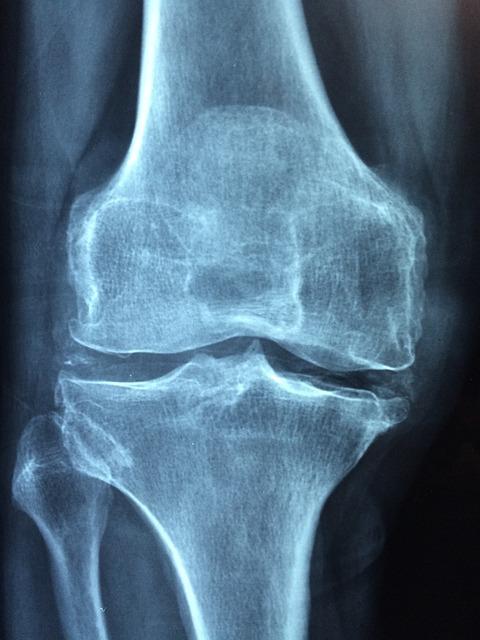
Tibialis raises can actually help alleviate knee pain by strengthening the muscles around the knee joint. This exercise can improve stability and reduce strain on the knees, promoting overall joint health.

The use of EMS technology can effectively target and activate the tibialis anterior muscle, providing a powerful workout like never before. With the right technique and intensity, you can boost strength and performance in this often neglected muscle group.

The tibialis anterior insertion in humans plays a crucial role in foot and ankle movement. Understanding its anatomy is key to preventing injuries and enhancing overall performance. Let’s delve into this anatomy masterclass to unlock the secrets of this essential muscle.

Jumping rope is a great way to work out your tibialis anterior, the muscle in front of your shins. To target this area, try skipping on one foot at a time or incorporating high knees while jumping. It’s a fun and effective workout for strengthening your lower legs.

Are you dealing with pain and discomfort in your shins? You may be suffering from tibialis anterior tendonitis,…
Ever wondered what could cause a bruised tibialis anterior muscle? Surprisingly, it could be as simple as an awkward fall or wearing ill-fitting shoes. Always listen to your body and seek medical attention if in doubt.