
Strained Tibialis Anterior? Here’s How to Treat It Quickly and Safely
Is your tibialis anterior feeling strained and causing you discomfort or pain? Not to worry – we’ve got you covered. In this article, we’ll delve into effective and safe treatment options to help relieve your symptoms quickly. Whether you’re an athlete, a seasoned runner, or simply someone experiencing tightness in this muscle, we’ll provide you with the information you need to get back on your feet in no time. Let’s get started!
Contents
Overview of Tibialis Anterior Strain
The Tibialis Anterior muscle is located in the front of the lower leg and plays a crucial role in ankle dorsiflexion, which is the upward movement of the foot towards the shin. A strain in this muscle can occur due to overuse, sudden movements, or excessive stress on the muscle during physical activities such as running or jumping. Symptoms of a strained Tibialis Anterior may include pain, swelling, and difficulty moving the foot and ankle.
Treating a strained Tibialis Anterior quickly and safely is essential to promote healing and prevent further damage. Here are some effective ways to manage this injury:
- Rest: Avoid activities that aggravate the injury and give the muscle time to heal.
- Ice: Apply ice to the affected area for 15-20 minutes several times a day to reduce swelling and pain.
- Compression: Use a compression bandage to support the muscle and reduce inflammation.
- Elevation: Elevate the injured leg above heart level to help decrease swelling.
In severe cases, it is recommended to seek medical attention to ensure proper diagnosis and treatment. By following these steps, you can expedite the healing process and get back to your regular activities with a healthy Tibialis Anterior muscle.
Common Causes of Tibialis Anterior Strain
Having a strained tibialis anterior can be a real pain, quite literally. It can make walking and other daily activities difficult and uncomfortable. Fortunately, there are ways to treat this condition quickly and safely. Here are some to be aware of:
- Overuse or repetitive stress on the muscle
- Incorrect footwear or inadequate support
- Sudden increase in physical activity
- Poor biomechanics or muscle imbalances
Identifying the root cause of your tibialis anterior strain is crucial in determining the most effective treatment plan. By addressing the underlying issue, you can speed up the recovery process and prevent future injuries. Remember, it’s always best to consult with a healthcare professional for personalized advice and guidance.
Symptoms to Look Out For
If you suspect you have a strained tibialis anterior, it’s important to be aware of the . These may include:
- Pain or tenderness along the front of the shin
- Swelling or inflammation in the affected area
- Difficulty lifting the toes or foot upwards
- Weakened muscles in the lower leg
If you are experiencing any of these symptoms, it’s essential to seek proper treatment to prevent further injury and promote healing. In the next section, we will discuss how to safely and effectively treat a strained tibialis anterior.

Diagnosis and Treatment Options
When dealing with a strained tibialis anterior, it is important to first receive a proper diagnosis from a healthcare professional. This will help determine the severity of the strain and the best course of action for treatment. Diagnosis typically involves a physical examination, possibly followed by imaging tests such as an X-ray or MRI.
Once a diagnosis is confirmed, there are several treatment options available to help alleviate symptoms and promote healing. Some common treatment methods for a strained tibialis anterior include:
- Rest: Avoid activities that aggravate the injury and give the muscle time to heal.
- Ice: Apply ice to the affected area for 15-20 minutes every few hours to reduce swelling and inflammation.
- Compression: Use a compression bandage or wrap to support the muscle and reduce swelling.
- Elevation: Elevate the injured leg to reduce swelling and promote circulation.

Rest and Ice: Immediate Relief
To alleviate the discomfort of a strained tibialis anterior, it is essential to provide immediate relief through rest and ice therapy. Resting the affected leg will help prevent further strain on the muscle, allowing it to recover more quickly. Elevate the leg to reduce swelling and promote circulation, aiding in the healing process.
Applying ice to the strained tibialis anterior will help reduce inflammation and numb the pain. Remember to wrap the ice pack in a cloth to protect your skin from freezer burn. Apply the ice pack to the affected area for 15-20 minutes at a time, allowing the muscle to cool down and relax. Repeat this process every few hours for the best results.
Incorporate these simple rest and ice techniques into your treatment plan to bring immediate relief to your strained tibialis anterior. Take the time to care for your muscle properly to ensure a speedy and safe recovery.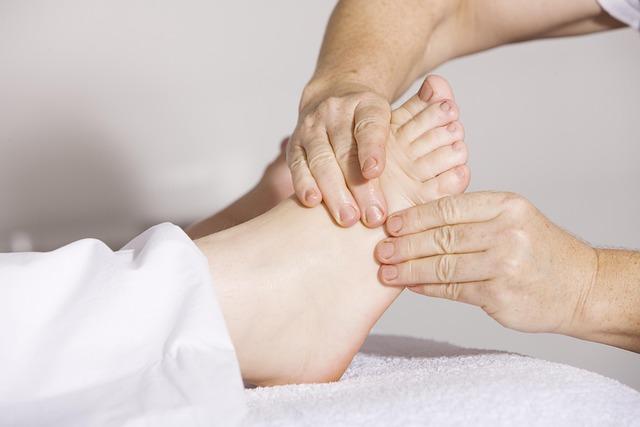
Physical Therapy Exercises for Rehabilitation
If you’ve strained your tibialis anterior muscle, you may be experiencing pain and discomfort in your shin area. Luckily, there are physical therapy exercises that can help you rehabilitate and recover quickly and safely. By following a targeted exercise routine, you can strengthen the muscle, improve mobility, and reduce pain.
Here are some effective physical therapy exercises for rehabilitating a strained tibialis anterior:
- Toe Raises: Stand with your feet hip-width apart and slowly raise your toes off the ground while keeping your heels planted. Hold for a few seconds, then lower back down. Repeat 10-15 times.
- Ankle Dorsiflexion Stretch: Sit with your legs extended in front of you. Flex your toes towards your body, feeling a stretch in your shin. Hold for 15-30 seconds and repeat 3-5 times.
- Resistance Band Exercises: Wrap a resistance band around your foot and perform ankle flexion and extension exercises. Start with light resistance and gradually increase as you get stronger.
| Exercise | Repetitions | Sets |
|---|---|---|
| Toes Raises | 10-15 | 3 |
| Ankle Dorsiflexion Stretch | 3-5 | 15-30 seconds |
| Resistance Band Exercises | As needed | As needed |
Preventing Future Injuries
If you’re experiencing a strained tibialis anterior muscle, it’s crucial to treat it quickly and safely to prevent further injuries. Here are some effective ways to alleviate pain and promote healing:
- Rest: Avoid activities that worsen the pain and give your muscle time to recover.
- Ice: Apply an ice pack to the affected area for 15-20 minutes every few hours to reduce inflammation.
- Compression: Use a compression bandage to support the muscle and reduce swelling.
- Elevation: Raise your leg above heart level to improve circulation and decrease swelling.
- Stretching: Perform gentle stretches to help lengthen the muscle and promote flexibility.
By following these treatment methods and allowing your tibialis anterior muscle to heal properly, you can prevent future injuries and get back to your regular activities pain-free.

When to Seek Professional Help
If you have been experiencing a strained tibialis anterior, it’s important to know to ensure a quick and safe recovery. Here are some signs that indicate it may be time to consult a healthcare provider:
- Persistent pain and swelling in the front of your lower leg
- Difficulty walking or bending your foot
- No improvement in symptoms after rest and home remedies
Seeking professional help can help you receive a proper diagnosis and treatment plan tailored to your specific needs. This may include physical therapy, medication, or other interventions to promote healing and prevent further injury. Remember, it’s always better to be safe than sorry when it comes to your health.
The Way Forward
With the right combination of rest, ice, elevation, and gentle stretching exercises, you can effectively treat a strained tibialis anterior and get back on your feet quickly and safely. Remember, it’s important to listen to your body and not push through pain. Consult with a healthcare professional if you have any concerns or your symptoms worsen. Take care of yourself, and you’ll be back to your active lifestyle in no time!