

This One Nerve Controls Your Entire Tibialis Anterior Muscle
Have you ever stopped to think about just how intricate and fascinating the human body truly is? The tibialis anterior muscle is a crucial player in the movement of the foot and ankle, responsible for tasks as simple as lifting your foot and as complex as maintaining balance. But did you know that there is one nerve that holds the key to controlling this entire muscle? Join us as we explore the connection between the tibialis anterior muscle and the nerve that dictates its every move.
Contents
- Understanding the Role of the Peroneal Nerve in the Tibialis Anterior Muscle
- Key Functions of the Tibialis Anterior Muscle in Foot Movement
- Common Causes of Peroneal Nerve Damage Affecting the Tibialis Anterior Muscle
- How to Identify Symptoms of Peroneal Nerve Compression
- Treatment Options for Peroneal Nerve Issues Impacting the Tibialis Anterior Muscle
- Exercises to Strengthen the Tibialis Anterior Muscle and Support Nerve Health
- Exercises to Strengthen the Tibialis Anterior Muscle:
- Supporting Nerve Health:
- Preventative Measures to Safeguard the Peroneal Nerve and Tibialis Anterior Muscle
- This One Nerve Controls Your Entire Tibialis Anterior Muscle
- Consulting a Healthcare Professional for Peroneal Nerve and Tibialis Anterior Muscle Concerns
- The Way Forward
Understanding the Role of the Peroneal Nerve in the Tibialis Anterior Muscle
The peroneal nerve plays a crucial role in controlling the tibialis anterior muscle, which is located in the front of the lower leg. This nerve innervates the muscle, meaning it sends signals to the muscle to contract and perform specific movements. Without the peroneal nerve, the tibialis anterior muscle would not be able to function properly, leading to difficulties in activities such as walking, running, and even standing.
When the peroneal nerve is damaged or compressed, it can result in weakness or paralysis of the tibialis anterior muscle. This can cause issues with dorsiflexion of the foot, which is the movement of bringing the foot towards the shin. In severe cases, patients may experience foot drop, where they are unable to lift the front of their foot off the ground, leading to a distinctive gait pattern.
Understanding the relationship between the peroneal nerve and the tibialis anterior muscle is essential for diagnosing and treating conditions that affect this nerve-muscle connection. By addressing any issues with the peroneal nerve promptly, healthcare providers can help patients maintain proper function of their tibialis anterior muscle and overall lower leg movement.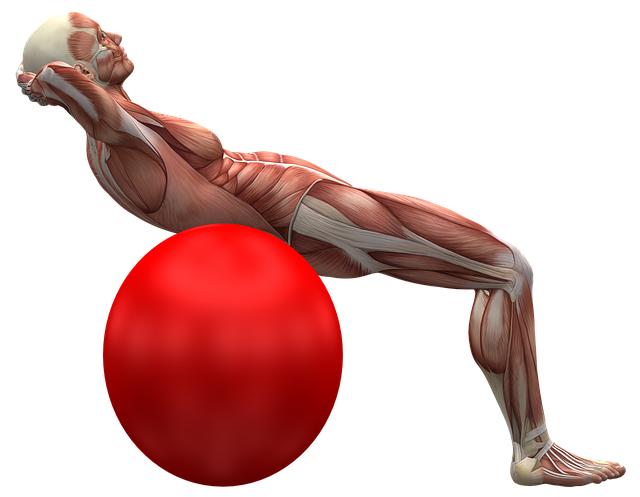
Key Functions of the Tibialis Anterior Muscle in Foot Movement
The tibialis anterior muscle is a key player in foot movement, responsible for dorsiflexion of the ankle and inversion of the foot. This muscle is innervated by the deep peroneal nerve, which originates from the L4-S1 nerve roots. When the deep peroneal nerve is activated, it sends signals to the tibialis anterior muscle, causing it to contract and perform its functions.
One of the main functions of the tibialis anterior muscle is to lift the foot towards the shin, allowing for proper foot clearance during the swing phase of walking. Additionally, this muscle helps stabilize the foot and ankle during weight-bearing activities, such as standing and walking. Without proper function of the tibialis anterior muscle, individuals may experience difficulty lifting the foot, resulting in a condition known as foot drop.
It is important to ensure the proper functioning of the deep peroneal nerve to maintain optimal performance of the tibialis anterior muscle. Physical therapy exercises, nerve conduction studies, and other interventions may be recommended to address any issues with nerve function that could impact the tibialis anterior muscle.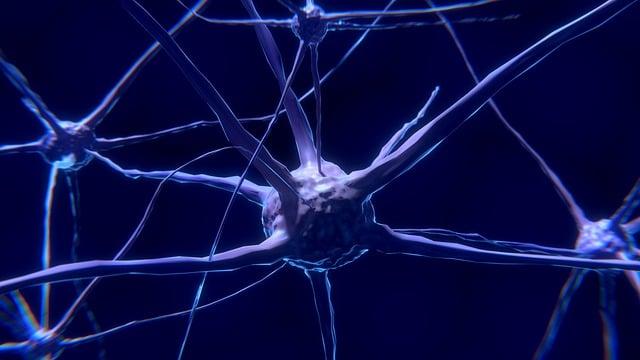
Common Causes of Peroneal Nerve Damage Affecting the Tibialis Anterior Muscle
The peroneal nerve plays a crucial role in controlling the tibialis anterior muscle, which is responsible for dorsiflexing the ankle and lifting the foot. Damage to this nerve can result in weakness or paralysis of the muscle, leading to difficulty in walking and performing everyday activities. include:
- Traumatic injury: such as a fracture or dislocation of the knee, which can compress or stretch the nerve.
- Prolonged pressure: from sitting or sleeping in positions that put pressure on the nerve.
- Nerve entrapment: where the nerve gets trapped or compressed by surrounding structures, such as muscles or bones.
If you experience symptoms such as foot drop, numbness or tingling in the lower leg or foot, or difficulty lifting your foot, it is important to seek medical attention to determine the cause of your peroneal nerve damage. Treatment may include physical therapy, bracing, or in severe cases, surgery to relieve pressure on the nerve.
How to Identify Symptoms of Peroneal Nerve Compression
Peroneal nerve compression can lead to various symptoms that can affect the functioning of your tibialis anterior muscle. It is important to be able to identify these symptoms early on to seek proper treatment. Here are some common signs that may indicate peroneal nerve compression:
- Foot drop: Difficulty lifting the front part of your foot, causing it to drag while walking.
- Numbness or tingling: Sensations of pins and needles or loss of sensation in the top of your foot or toes.
- Weakened ankle dorsiflexion: Inability to lift your foot upward towards your shin, leading to difficulty in walking on your heels.
It is important to consult a medical professional if you experience any of these symptoms, as untreated peroneal nerve compression can lead to long-term complications. Early intervention and proper management can help alleviate symptoms and prevent further damage to the nerve.
Treatment Options for Peroneal Nerve Issues Impacting the Tibialis Anterior Muscle
The peroneal nerve plays a crucial role in controlling the tibialis anterior muscle, which is responsible for dorsiflexing the ankle and lifting the foot. When this nerve is impacted, it can lead to weakness, numbness, and difficulty walking. Luckily, there are several treatment options available to address peroneal nerve issues affecting the tibialis anterior muscle.
- Physical therapy: Engaging in specific exercises to strengthen the tibialis anterior muscle can help improve function and reduce symptoms.
- Orthotic devices: Wearing braces or orthotic inserts can provide support and stability to the ankle, facilitating proper movement and alleviating strain on the affected nerve.
- Nerve decompression surgery: In more severe cases, surgery may be necessary to relieve pressure on the peroneal nerve and restore proper function to the tibialis anterior muscle.
By working with healthcare professionals to determine the best course of action, individuals can effectively address peroneal nerve issues impacting the tibialis anterior muscle and improve their overall quality of life.
Exercises to Strengthen the Tibialis Anterior Muscle and Support Nerve Health
The tibialis anterior muscle plays a crucial role in dorsiflexion of the foot and ankle, as well as in supporting proper gait and balance. Strengthening this muscle is essential for athletes, individuals with foot drop, and those looking to improve their overall lower body stability. In addition to targeted exercises, supporting nerve health is also important for optimal muscle function.
Exercises to Strengthen the Tibialis Anterior Muscle:
- Ankle Dorsiflexion: Sit on a chair with your foot flat on the floor. Slowly lift your foot towards your shin, then lower it back down. Repeat for 3 sets of 10 repetitions.
- Toes Up Walk: Walk on your heels with your toes lifted off the ground. This exercise helps engage the tibialis anterior muscle and can be done for 2-3 minutes at a time.
- Resistance Band Dorsiflexion: Secure a resistance band around a sturdy object. Loop the band around the top of your foot and pull your foot towards your shin against the resistance. Perform 3 sets of 12 repetitions.
Supporting Nerve Health:
In addition to targeted exercises, maintaining proper nerve health is essential for optimal muscle function. Some ways to support nerve health include:
- Healthy Diet: Eat foods rich in B vitamins, such as leafy greens, nuts, and whole grains, to support nerve function.
- Stay Active: Regular exercise can help improve blood flow and nerve function throughout the body.
- Proper Footwear: Wearing supportive shoes that fit properly can help prevent nerve compression and damage.

Preventative Measures to Safeguard the Peroneal Nerve and Tibialis Anterior Muscle
This One Nerve Controls Your Entire Tibialis Anterior Muscle
Protecting the peroneal nerve and tibialis anterior muscle is crucial for maintaining proper muscle function and preventing potential injuries. By implementing some preventative measures, you can safeguard these vital components of your lower leg and avoid any potential issues down the line.
- Proper footwear: Wearing supportive shoes that fit well can help prevent unnecessary strain on the tibialis anterior muscle and reduce the risk of nerve compression.
- Stretching and strengthening exercises: Incorporating exercises that target the tibialis anterior muscle can help improve its strength and flexibility, while also reducing the likelihood of nerve impingement.
- Posture and body mechanics: Maintaining good posture and proper body mechanics throughout daily activities can relieve pressure on the peroneal nerve and minimize the risk of muscle strain.

Consulting a Healthcare Professional for Peroneal Nerve and Tibialis Anterior Muscle Concerns
When it comes to concerns related to the peroneal nerve and tibialis anterior muscle, consulting a healthcare professional is crucial for proper diagnosis and treatment. The peroneal nerve, which controls the tibialis anterior muscle, plays a vital role in dorsiflexing the foot and maintaining balance while walking.
During a consultation with a healthcare professional, they will likely conduct a thorough physical examination to assess your symptoms and may recommend further tests such as nerve conduction studies or imaging scans to determine the extent of any nerve damage. Treatment options may include physical therapy, medication, orthotic devices, or in severe cases, surgery to address the underlying issue.
It’s important to seek medical attention promptly if you experience any symptoms related to the peroneal nerve or tibialis anterior muscle, such as weakness in the foot or ankle, foot drop, or difficulty lifting the toes. By working with a healthcare professional, you can receive the proper care and guidance needed to effectively manage and address your concerns.
The Way Forward
In conclusion, the peroneal nerve plays a crucial role in controlling the tibialis anterior muscle, which is essential for proper walking and balance. Understanding the intricacies of this nerve-muscle connection can help us appreciate the complexity of the human body and how everything works together seamlessly. So next time you take a step, remember the power of that one nerve guiding your tibialis anterior muscle, keeping you on your feet and moving forward. Stay curious and keep exploring the wonders of the human body!
Get our latest guides, news, and insights highlighted in your Google Search & AI Overviews.


