What Innervates the Tibialis Anterior? The Answer Is Fascinating
The tibialis anterior muscle plays a crucial role in walking and running, but have you ever wondered what actually innervates this essential muscle? The answer may surprise you and shed light on the intricate workings of the human body. Join us as we explore the fascinating innervation of the tibialis anterior and uncover the key players responsible for keeping us on our feet.
Contents
- Overview of the Tibialis Anterior Muscle
- Importance of Understanding Innervation
- Nerve Supply to the Tibialis Anterior
- Role of the Deep Peroneal Nerve
- Clinical Implications of Tibialis Anterior Innervation
- Common Conditions Affecting Innervation
- Rehabilitation Strategies for Tibialis Anterior Dysfunction
- Enhancing Tibialis Anterior Strength and Function
- Future Research Directions in Innervation Studies
- In Conclusion
Overview of the Tibialis Anterior Muscle
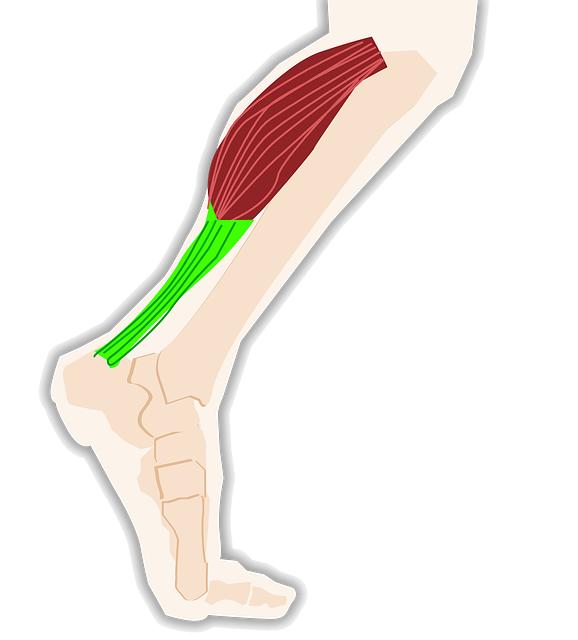
The tibialis anterior is a key muscle located in the front of the lower leg. It plays a crucial role in dorsiflexion of the foot and inversion of the ankle. But what innervates this important muscle? The answer is the deep peroneal nerve, a branch of the common peroneal nerve.
Key Points about the Tibialis Anterior Muscle:
- Location: Front of the lower leg
- Function: Dorsiflexion of the foot and inversion of the ankle
- Innervation: Deep peroneal nerve
| Common Peroneal Nerve | Deep Peroneal Nerve |
|---|---|
| Branches into deep peroneal nerve and superficial peroneal nerve | Innervates tibialis anterior and other muscles in the front of the leg |

Importance of Understanding Innervation
Understanding innervation is crucial in comprehending how muscles function and move within the body. When it comes to the tibialis anterior muscle, knowing what innervates it can provide insights into its role in ankle dorsiflexion and foot inversion. The primary nerve that innervates the tibialis anterior is the deep peroneal nerve, which stems from the sciatic nerve. This nerve supplies the necessary signals for the muscle to contract and perform its essential functions.
By grasping the innervation of the tibialis anterior, healthcare professionals can better diagnose and treat conditions that affect this muscle, such as anterior compartment syndrome or common peroneal nerve dysfunction. Moreover, athletes and individuals involved in physical activities can benefit from this knowledge by understanding how to strengthen and protect the tibialis anterior to prevent injuries. This deeper appreciation of innervation highlights the intricate connections between nerves and muscles that drive movement and coordination in the human body.
Nerve Supply to the Tibialis Anterior
The tibialis anterior muscle is a key player in the movement and stability of the foot and ankle. But have you ever wondered what supplies this important muscle with the nerve signals it needs to function? It turns out that the comes from the deep peroneal nerve, which is a branch of the common peroneal nerve. This nerve originates from the sciatic nerve and is responsible for innervating a number of muscles in the lower leg.
The deep peroneal nerve not only provides motor function to the tibialis anterior, but it also supplies sensory fibers to the skin on the top of the foot. This nerve is crucial for dorsiflexion of the ankle and inversion of the foot, both of which are essential for walking and other weight-bearing activities. Understanding the gives us a greater appreciation for the intricate network of nerves that allow our bodies to move with precision and coordination.
In summary, the deep peroneal nerve is the unsung hero behind the proper function of the tibialis anterior muscle. By providing both motor and sensory innervation, this nerve ensures that we can maintain balance, stability, and movement in our lower extremities. So next time you take a step forward, remember to thank your deep peroneal nerve for its role in keeping you on your feet!
Role of the Deep Peroneal Nerve
The deep peroneal nerve plays a crucial role in innervating the Tibialis Anterior muscle, which is located in the front of the lower leg. This nerve originates from the common peroneal nerve and provides motor function to the muscles involved in dorsiflexion of the foot, such as the Tibialis Anterior. Without proper innervation from the deep peroneal nerve, the Tibialis Anterior would not be able to perform its essential function of lifting the foot towards the shin.
Additionally, the deep peroneal nerve also innervates other muscles in the lower leg, including the Extensor digitorum longus, Extensor hallucis longus, and Peroneus tertius. This nerve is responsible for controlling movements that involve lifting the toes and foot, contributing to proper gait and walking mechanics. Damage to the deep peroneal nerve can result in weakness or paralysis of these muscles, leading to difficulties in walking and decreased mobility.
Understanding the in innervating the Tibialis Anterior and other muscles in the lower leg highlights the intricate relationship between nerves and muscle function in the human body. Proper nerve function is essential for coordinated movement and optimal performance of the musculoskeletal system.
Clinical Implications of Tibialis Anterior Innervation
The tibialis anterior muscle is innervated by the deep peroneal nerve, which is a branch of the common peroneal nerve. This nerve originates from the sciatic nerve and runs down the leg, providing motor innervation to the tibialis anterior muscle. Understanding the innervation of the tibialis anterior is crucial for clinicians as it plays a significant role in dorsiflexion and inversion of the foot.
Knowing the innervation of the tibialis anterior muscle can help healthcare professionals diagnose and treat various conditions that affect this muscle. For example, damage to the deep peroneal nerve can result in foot drop, where the individual is unable to dorsiflex their foot properly. Additionally, understanding the innervation of the tibialis anterior can help guide rehabilitation protocols for patients recovering from injuries or surgeries that involve this muscle.
In summary, the innervation of the tibialis anterior muscle by the deep peroneal nerve has important clinical implications for healthcare professionals. By understanding this relationship, clinicians can better assess and treat patients with conditions affecting the tibialis anterior muscle.
Common Conditions Affecting Innervation
The tibialis anterior is innervated by the deep fibular nerve. This nerve plays a crucial role in the movement and function of the tibialis anterior muscle. When this nerve is compromised, it can lead to various conditions affecting innervation in the lower leg. Some in this area include:
Peripheral neuropathy: This condition can result in damage to the nerves that control muscle movement, including the deep fibular nerve innervating the tibialis anterior.
Sciatica: Compression of the sciatic nerve can lead to pain and weakness in the leg, affecting the innervation of muscles like the tibialis anterior.
Charcot-Marie-Tooth disease: This hereditary condition can cause progressive damage to the nerves in the legs and feet, leading to issues with innervation and muscle function.
Understanding the innervation of the tibialis anterior and the conditions that can affect it is crucial for maintaining proper muscle function and movement in the lower leg. By being aware of these common conditions, individuals can seek timely treatment and management to address any issues with innervation in this area.
Rehabilitation Strategies for Tibialis Anterior Dysfunction
One fascinating aspect of the tibialis anterior muscle is its innervation. This crucial muscle in the front of the lower leg is actually innervated by the deep peroneal nerve, which arises from the common peroneal nerve. This nerve controls the movement of the ankle and foot, making it essential for activities such as walking, running, and jumping.
When it comes to , there are several effective approaches that can help strengthen and improve the function of this muscle. Some key strategies include:
- Stretching exercises: Gentle stretches can help improve flexibility and range of motion in the tibialis anterior muscle.
- Strengthening exercises: Specific exercises targeting the tibialis anterior, such as toe raises and ankle dorsiflexion exercises, can help build strength in this muscle.
- Balance training: Balance exercises can help improve stability and proprioception, which can be beneficial for individuals with tibialis anterior dysfunction.
Enhancing Tibialis Anterior Strength and Function
Understanding the innervation of the Tibialis Anterior muscle can provide valuable insight into how to enhance its strength and function. The Tibialis Anterior is innervated by the deep peroneal nerve, which arises from the common peroneal nerve. This nerve is responsible for providing motor innervation to the muscle, allowing for dorsiflexion and inversion of the foot.
By targeting exercises that specifically activate the Tibialis Anterior, you can effectively strengthen and improve its function. Incorporating the following exercises into your workout routine can help enhance the strength and stability of this important muscle:
- Toe Raises: Stand with your heels on the ground and lift your toes towards the ceiling, engaging the Tibialis Anterior.
- Dorsiflexion with Resistance Band: Wrap a resistance band around a stable surface and loop it around your foot. Flex your foot upwards against the resistance.
- Ankle Dorsiflexion Exercises: Perform exercises like heel walks or alphabet writing with your toes to activate and strengthen the Tibialis Anterior.
| Exercise | Repetitions |
| Toe Raises | 3 sets of 15 repetitions |
| Dorsiflexion with Resistance Band | 3 sets of 12 repetitions |
| Ankle Dorsiflexion Exercises | 2 sets of 20 repetitions |

Future Research Directions in Innervation Studies
In the realm of innervation studies, one of the fascinating areas of research revolves around the tibialis anterior muscle. This muscle plays a crucial role in dorsiflexion and inversion of the foot, making it essential for movements like walking and running. But what exactly innervates the tibialis anterior?
Recent research has shown that the tibialis anterior muscle is primarily innervated by the deep peroneal nerve, a branch of the common peroneal nerve. This nerve supplies motor innervation to the tibialis anterior, allowing it to contract and perform its function. Additionally, the muscle also receives sensory innervation from the same nerve, providing feedback to the brain about the position and movement of the foot.
Understanding the innervation of the tibialis anterior is crucial for diagnosing and treating conditions that affect this muscle, such as foot drop. Further research in this area could uncover new insights into the role of neural connections in muscle function and potentially lead to innovative treatment approaches for related disorders.
In Conclusion
In conclusion, the tibialis anterior is innervated by the deep peroneal nerve, a fascinating branch of the sciatic nerve that plays a crucial role in ankle dorsiflexion. Understanding the innervation of this important muscle can provide valuable insights into its function and the potential implications for various movements and activities. We hope this article has shed some light on this complex yet intriguing aspect of human anatomy. Thank you for reading!