What Is the Tibialis Anterior? The Answer Will Blow Your Mind
Have you ever heard of the tibialis anterior muscles and wondered what they are all about? Prepare to have your mind blown as we dive into the fascinating world of the tibialis anterior and uncover its importance in our daily movements. Stay tuned to learn all about this powerhouse muscle and how it plays a crucial role in keeping us mobile and balanced.
Contents
- – Understanding the Anatomy of the Tibialis Anterior Muscle
- – Functions and Importance of the Tibialis Anterior in Everyday Movement
- – Common Causes of Tibialis Anterior Pain and How to Prevent Them
- – Strengthening Exercises to Improve Tibialis Anterior Strength and Flexibility
- – The Role of the Tibialis Anterior in Walking, Running, and Other Activities
- – Tips for Proper Stretching Techniques to Prevent Tibialis Anterior Injuries
- – How to Properly Rehabilitate a Strained or Injured Tibialis Anterior Muscle
- – The Connection Between the Tibialis Anterior and Overall Lower Extremity Health
- To Conclude
– Understanding the Anatomy of the Tibialis Anterior Muscle
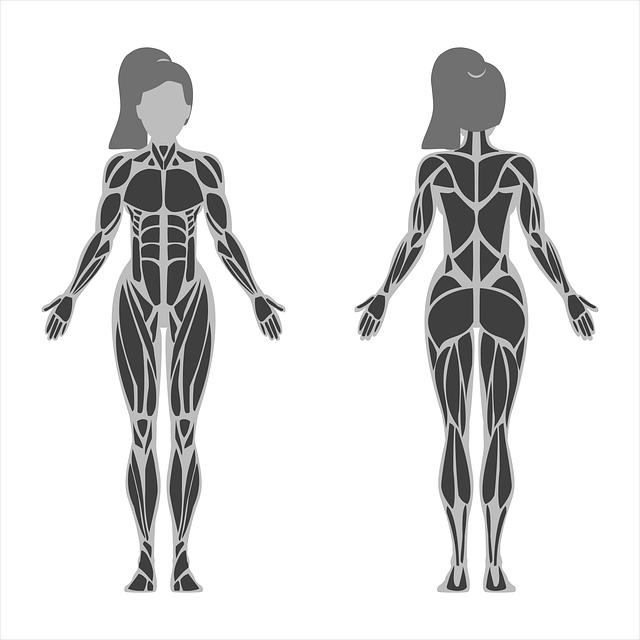
The tibialis anterior muscle is a key muscle located in the shin region of the lower leg. This muscle plays a crucial role in dorsiflexion, which is the movement that brings the foot upwards towards the shin. It also helps in controlling the lowering of the foot during walking, running, and other activities.
Understanding the anatomy of the tibialis anterior muscle is essential for athletes, physical therapists, and anyone interested in the biomechanics of the lower leg. This muscle is connected to the tibia bone through a tendon, which allows it to exert force and control movement in the foot and ankle. Additionally, the tibialis anterior muscle is innervated by the deep peroneal nerve, which provides the necessary signals for muscle contraction.
Overall, the tibialis anterior muscle is a fascinating and important muscle that is often overlooked. By delving deeper into its anatomy and function, we can gain a greater appreciation for the complex interplay between muscles, nerves, and bones in the human body.
– Functions and Importance of the Tibialis Anterior in Everyday Movement
The tibialis anterior is a muscle located in the front of the lower leg. It plays a crucial role in everyday movement by helping to lift the foot and toes upward (dorsiflexion) and control the speed at which the foot is lowered to the ground with each step. This muscle is essential for activities such as walking, running, climbing stairs, and even keeping balance while standing.
When the tibialis anterior is weak or injured, it can lead to issues such as foot drop, difficulty lifting the foot, and an increased risk of falls. Strengthening exercises and stretches targeting this muscle can help improve its function and prevent these problems from occurring. It’s important to pay attention to the tibialis anterior to maintain proper movement and functionality in the lower leg and foot.
– Common Causes of Tibialis Anterior Pain and How to Prevent Them
The tibialis anterior is a muscle located in the front of the lower leg. This muscle is responsible for dorsiflexion of the foot, which means it helps lift the foot and toes up towards the shin. It is an important muscle for maintaining balance and stability while walking or running.
There are several common causes of tibialis anterior pain, including:
- Overuse or repetitive strain injury
- Improper footwear
- Weakness or imbalance in the muscles of the lower leg
- Direct trauma or injury
To prevent tibialis anterior pain and injuries, it is important to:
- Wear appropriate footwear with good arch support
- Gradually increase intensity and duration of physical activity
- Stretch and strengthen the muscles of the lower leg through exercises like calf raises and ankle dorsiflexion exercises
- Listen to your body and rest when needed

– Strengthening Exercises to Improve Tibialis Anterior Strength and Flexibility
The tibialis anterior is a muscle located in the front of the lower leg. It plays a crucial role in dorsiflexion of the foot, which is the movement of bringing the foot towards the shin. This muscle is essential for activities such as walking, running, and jumping. Strengthening the tibialis anterior can help improve ankle stability and prevent injuries.
To improve tibialis anterior strength and flexibility, try incorporating the following exercises into your routine:
Toe Raises: Sit in a chair with your feet flat on the floor. Lift your toes towards the ceiling while keeping your heels on the ground. Hold for a few seconds, then lower your toes back down.
Ankle Dorsiflexion Stretch: Sit down with your legs extended in front of you. Loop a resistance band around the ball of one foot and gently pull towards you, flexing your ankle.
Heel Walks: Walk on your heels for a short distance, focusing on lifting your toes towards your shins with each step.
By consistently incorporating these exercises into your workout routine, you can help strengthen and improve the flexibility of your tibialis anterior muscle. This can lead to better overall lower leg function and reduced risk of injury.
– The Role of the Tibialis Anterior in Walking, Running, and Other Activities
The tibialis anterior is a muscle located in the front of your shin. While it may not be as well-known as some larger muscles like the biceps or quadriceps, the tibialis anterior plays a crucial role in walking, running, and other activities that require movement of the ankle and foot.
This important muscle is responsible for dorsiflexion of the foot, which means it helps lift the foot towards the shin. This action is essential for walking as it allows you to clear the ground with each step. When running, the tibialis anterior also helps to control the descent of the foot after it strikes the ground, ensuring a smooth and efficient running gait.
- Key functions of the tibialis anterior:
- Helps lift the foot towards the shin during dorsiflexion
- Controls the descent of the foot during walking and running
- Stabilizes the ankle joint

– Tips for Proper Stretching Techniques to Prevent Tibialis Anterior Injuries
Stretching techniques are crucial for preventing injuries to the tibialis anterior muscle, which is located in the front of the lower leg. Proper stretching can help to improve flexibility, reduce muscle tightness, and prevent overuse injuries. Here are some tips for incorporating effective stretching techniques into your routine:
- Calf Stretch: Stand facing a wall with one foot in front of the other. Lean forward, keeping your back leg straight and your heel on the ground. Hold the stretch for 30 seconds on each leg.
- Ankle Dorsiflexion Stretch: Sit on the floor with your legs straight out in front of you. Loop a towel around the ball of one foot and gently pull the towel towards you, pointing your toes towards your body. Hold for 30 seconds on each foot.
- Toe Walking: Stand on your tiptoes and walk around slowly for 1-2 minutes to strengthen the tibialis anterior muscle and improve balance.

– How to Properly Rehabilitate a Strained or Injured Tibialis Anterior Muscle
The tibialis anterior muscle is located in the front of the lower leg and is responsible for dorsiflexing the foot and supporting the arch of the foot. When this muscle becomes strained or injured, it can lead to pain and difficulty walking. Proper rehabilitation is essential for restoring strength and function to the tibialis anterior.
To properly rehabilitate a strained or injured tibialis anterior muscle, it is important to follow these key steps:
- Rest: Give the muscle time to heal by avoiding activities that aggravate the injury.
- Ice: Apply ice to reduce inflammation and pain. Use a cold pack for 15-20 minutes several times a day.
- Compression: Use a compression bandage to support the muscle and reduce swelling.
- Elevation: Elevate the leg above heart level to improve circulation and reduce swelling.
- Stretching: Perform gentle stretches to gradually improve flexibility in the muscle.
- Strengthening: Once the muscle has healed, incorporate exercises to strengthen the tibialis anterior and surrounding muscles.
By following these rehabilitation guidelines, you can effectively recover from a strained or injured tibialis anterior muscle and prevent future injuries.
– The Connection Between the Tibialis Anterior and Overall Lower Extremity Health
The Tibialis Anterior is a muscle located in the front of the lower leg. It plays a crucial role in dorsiflexion, which is the movement that brings the foot upwards towards the shin. This muscle also helps control the speed of foot descent when walking or running, making it essential for maintaining balance and stability during these activities.
One of the key connections between the Tibialis Anterior and overall lower extremity health is its impact on gait and posture. This muscle works in conjunction with other muscles in the lower leg and foot to ensure proper alignment and function during movement. Weakness or dysfunction in the Tibialis Anterior can lead to issues such as foot drop, increased risk of falls, and altered biomechanics that may contribute to conditions like shin splints or plantar fasciitis.
By incorporating exercises that target the Tibialis Anterior into your regular workout routine, you can improve the strength and function of this muscle, ultimately enhancing your overall lower extremity health. Some effective exercises to consider include toe raises, ankle dorsiflexion with resistance bands, and heel walks. Remember, a strong and properly functioning Tibialis Anterior is essential for optimal movement patterns and injury prevention throughout the lower body.
To Conclude
Now that you know all about the tibialis anterior and its crucial role in walking, running, and maintaining balance, you’ll never look at your legs the same way again. This intricate muscle may be small, but its impact on your everyday movements is truly mind-blowing. So next time you take a step, remember to thank your tibialis anterior for keeping you on your feet!