
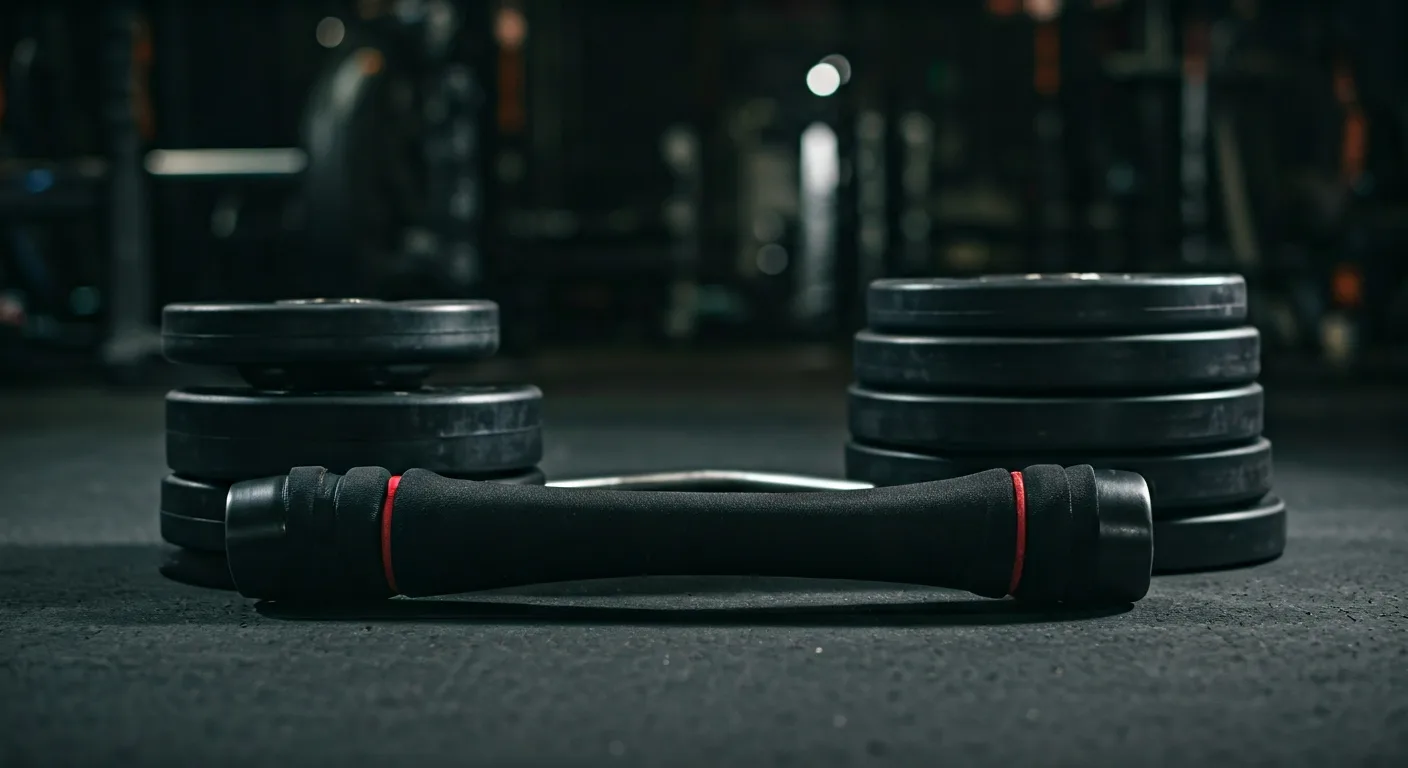
Best Tib Bar 2026: Top 5 Tibialis Trainers for Knee Health
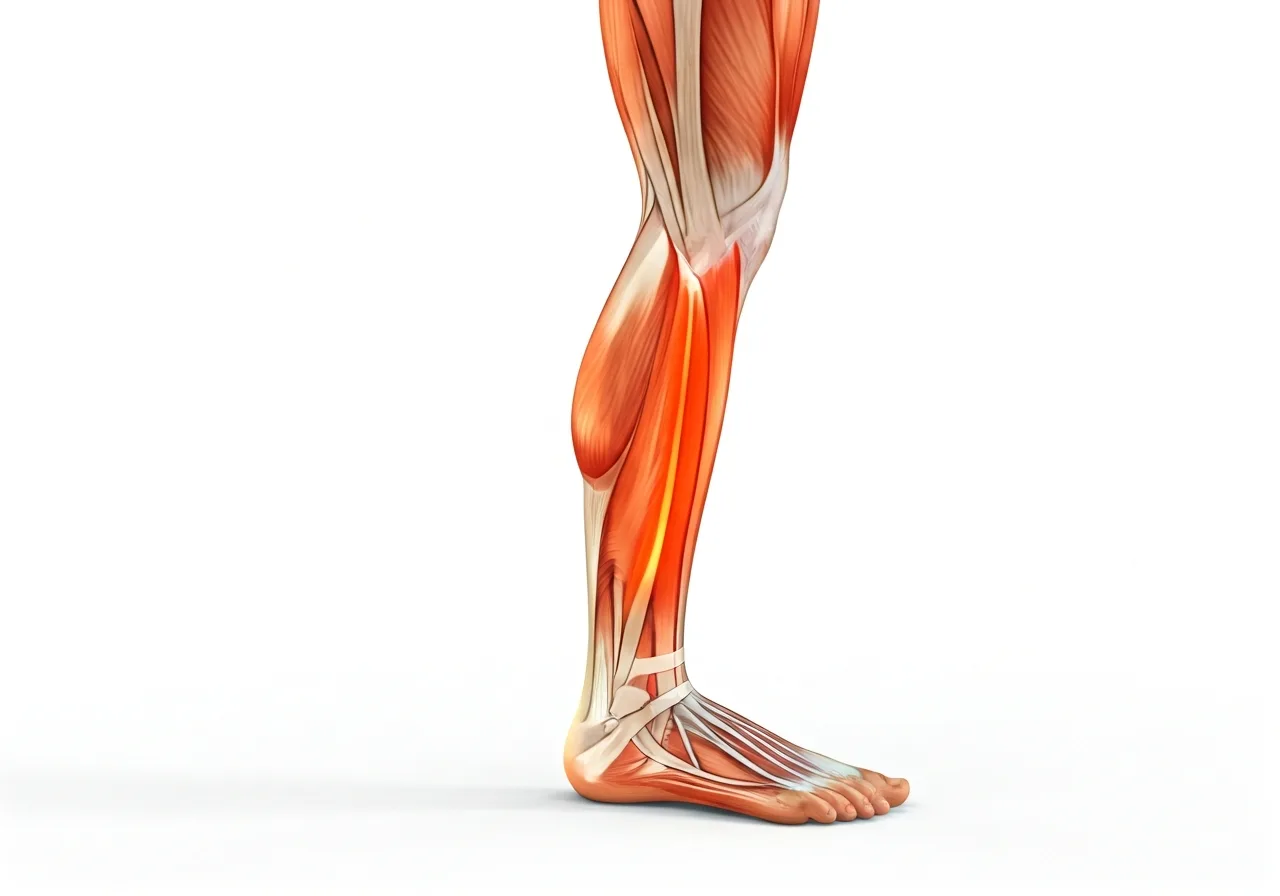
Best tib bar investments are the ultimate game-changer for bulletproofing your knees, eradicating shin splints, and unlocking athletic longevity. If you follow modern longevity and performance protocols, you know that training the front of your lower leg is no longer an optional accessory movement. The tibialis anterior acts as your body’s primary decelerator. Every time you jump, sprint, stop suddenly, or simply walk down a steep flight of stairs, this crucial muscle absorbs the downward force. When the muscle is weak or underdeveloped, that heavy impact travels directly up the kinetic chain into your joints and shins, resulting in chronic inflammation and injury.
A high-quality tibialis anterior trainer allows you to isolate and strengthen this often-neglected muscle through a strict, full range of motion. Unlike bodyweight exercises like wall leans, a dedicated steel bar allows for measurable, exact progressive overload. In this comprehensive guide, we review the top tibialis training equipment available in 2026 to help you choose the perfect tool for your home gym setup.
Contents
Why You Need a Dedicated Tib Bar
For decades, traditional fitness routines completely ignored the front of the lower leg. While heavy calf raises were a staple in every commercial gym, the tibialis anterior was left to atrophy. This massive imbalance between the strong calf muscles pulling backward and the weak tibialis pulling forward is the root cause of many lower body injuries, including patellar tendonitis and micro-fractures in the shin bone.
Thanks to athletic pioneers like Ben Patrick (widely known across the internet as the Knees Over Toes Guy), training the tibialis has finally entered the mainstream fitness conversation. In the famous ATG system, weighted tibialis raises are the very first line of defense against knee pain. The biomechanical concept is simple but profound: by strengthening the muscle that crosses the front of the ankle, you dramatically improve your lower body’s shock absorption capabilities.
Using a tibialis raise bar allows for strictly resisted dorsiflexion. This is the anatomical movement of bringing your toes up toward your shins. When you add external weight via standard Olympic plates, you can track your progress weekly and force the muscle tendons to adapt and thicken. This is essential for treating conditions like shin splints. However, if you are experiencing severe or sudden localized inflammation, it is important to understand the difference between standard delayed onset muscle soreness (DOMS) and anterior tibialis swelling, which may require a medical evaluation before beginning a heavily loaded protocol.
The 5 Best Tib Bars on the Market (2026 Reviews)
After testing dozens of models over the past year, we have narrowed down the market to the most reliable tib bar reviews. We evaluated build quality, padding comfort, maximum weight capacity, sleeve dimensions, and overall value. Whether you are looking for a heavy-duty bilateral tib machine or a highly portable solo tib bar, these five options are the top performers in the industry.
1. Best Overall: The Tib Bar Pro by Tib Bar Guy
When it comes to the perfect intersection of value, durability, and comfort, the Pro model from the Tib Bar Guy stands out as the ultimate best tibialis bar on the market today. Constructed from laser-cut heavy-duty steel, it is designed to hold well over 100 pounds of iron, which is more than enough capacity for even the most elite professional athletes.
What truly sets this ATG training equipment apart from generic Amazon knock-offs is the custom-molded foam padding. Cheaper bars often use cheap pool noodle material that completely compresses under heavy loads, causing the raw steel bar to dig painfully into the top of your feet. The Tib Bar Pro utilizes a specialized high-density foam that remains comfortable and retains its cylindrical shape even during agonizing max-effort sets.
Related reading: Check out our comprehensive Slant Ramps review to level up your Tibialis Training even further using equipment from the same trusted brand.
- Exceptional high-density padding prevents foot bruising
- Seamlessly fits all standard 2-inch Olympic plates
- Includes a high-quality barbell locking collar
- Unbeatable price-to-performance ratio
- The base weight of the steel frame can be slightly heavy for absolute beginners
2. Best Premium Quality: Shogun Sports Tibialis Bar
If you demand commercial-grade equipment for your elite home gym, Shogun Sports offers a flawlessly engineered piece of machinery. Their tibialis trainer is machined with extreme precision, featuring a beautiful matte powder-coated finish that aggressively resists scratches, chalk buildup, and rust.
This is the perfect piece of knees over toes equipment for those who appreciate premium aesthetics and unbreakable build quality. The foot spacing is engineered slightly wider than the industry average, which perfectly accommodates larger feet and bulky weightlifting shoes without feeling cramped.
- Stunning commercial-grade powder coating
- Wider foot placement provides enhanced rotational stability
- Flawless welding and construction guaranteed to last a lifetime
- Significantly higher price point than direct competitors
3. Best Unilateral Option: HGG Performance Solo Tib Bar
For identifying and addressing deep muscle imbalances, you cannot beat the precision of a solo tib bar. HGG Performance, the original innovators of the Isotib, created the gold standard for unilateral training. While traditional bars lock both feet together, forcing them to work in tandem, the solo version straps securely to a single foot.
This isolation is crucial because bilateral strength exercises can inadvertently allow your dominant leg to compensate for your weaker leg. By isolating one leg at a time, you ensure perfect symmetrical development. Furthermore, the solo bar allows for full 360-degree ankle rotations (inversion and eversion), treating not just the tibialis, but all the tiny surrounding stabilizing ligaments in the ankle capsule.
- Perfect for correcting left-to-right strength discrepancies
- Enables advanced 360-degree ankle mobility exercises
- Highly portable and lightweight for gym bag travel
- Takes twice as long to complete a training session
- The strap fastening mechanism takes a few tries to master
4. Best Heavy-Duty Runner-Up: Bells of Steel Tib Bar
Bells of Steel is globally renowned for delivering incredibly rugged, powerlifting-grade equipment at highly reasonable prices, and their tibialis bar is no exception. Designed specifically for heavy lifters, this bar features a slightly longer loadable weight sleeve, allowing you to stack significantly more iron plates than standard models.
If you are an advanced athlete whose lower leg strength has outgrown standard bars, this is the ideal piece of heavy-duty shin splint equipment. The padding is exceptionally thick, and the steel frame is virtually indestructible under massive loads.
5. Best Budget Tibialis Trainer: Tib Bands & Alternatives
If you are not quite ready to invest your money in a solid steel bar, resistance bands or strap-based harness systems offer a highly accessible entry point. You can attach a heavy kettlebell or dumbbell directly to your foot using specialized nylon straps. While these fabric alternatives do not offer the exact same rigid stability as a steel bar, they allow for highly effective progressive overload on a tight budget.
For those who are handy and want to save even more money, you can skip the retail fitness options entirely. Check out our step-by-step tutorial on making a DIY tib bar using cheap PVC pipe, foam noodles, and basic hardware store materials.
Key Features to Look For (Buying Guide)
When selecting the right equipment for your home gym, consider these vital mechanical factors to ensure you make a wise, long-lasting investment.
Padding Quality & Comfort
This is arguably the single most important feature of any bar. The top of your foot consists of very thin skin positioned directly over sensitive bone. Cheap, porous foam will compress to nothing under 25 pounds of iron, causing severe bruising. Look specifically for high-density, closed-cell foam that retains its structural shape.
Plate Compatibility
Ensure the bar has a true 2-inch sleeve diameter. Most modern home gyms utilize standard Olympic plates. If you accidentally buy a cheaper bar with a 1-inch sleeve, you will be forced to buy separate, outdated standard plates just for this one single exercise, instantly defeating any budget savings.
How to Use a Tib Bar Safely and Effectively
Proper form is absolutely everything when utilizing your new tibialis anterior trainer. Sit on a flat weight bench or a sturdy plyo box with your knees fully extended and your heels hanging a few inches off the edge. Lock your knees securely to ensure the pulling movement is strictly isolated to the ankle joint without relying on momentum from your hips.
Lower the weight slowly and under complete control, achieving a deep, pulling stretch in the front of the shin. This negative eccentric phase is crucial for building robust tendon resilience. Then, forcefully contract your tibialis to pull your toes toward your knees as far as mechanically possible. Hold the top contracted position for one full second before slowly lowering.
For complete lower leg and foot health, remember that your individual toes also play a vital role in athletic balance and force production. Many professional athletes pair their heavy tibialis workouts with dedicated barefoot training. Consistently wearing toe spacers during your recovery hours can help actively reverse the crippling damage of narrow modern shoes and improve your natural foot splay, giving you a much better biological base for all heavy leg exercises.
Conclusion: Taking Your Leg Day Further
Investing in the best tib bar is a highly effective, long-term investment in your athletic joint health. By specifically addressing the commonly neglected tibialis anterior, you build an unbreakable bulletproof shield for your knees. Whether you choose a heavy-duty bilateral bar for maximum load or a precision unilateral tool for rehab, the ultimate key is consistency and slow, methodical progression.
Frequently Asked Questions (FAQ)
How much weight should I initially use on a tib bar?
Start with a very light weight, such as 5 to 10 pounds (or 2.5 to 5 kg). The tibialis is a small, fast-twitch muscle and will fatigue incredibly quickly if you have never isolated it before. Focus on achieving a full range of motion rather than ego-lifting heavy loads. Aim for 3 strict sets of 15 to 20 reps.
Does a tib bar actually help with severe shin splints?
Yes, strengthening the tibialis anterior is widely considered one of the most effective mechanical ways to prevent and treat chronic shin splints. It dramatically increases the muscle’s capacity to absorb heavy impact forces during running, sprinting, and plyometric jumping.
Can I just use rubber resistance bands instead of a steel bar?
Resistance bands are great for light warming up or for extreme beginners recovering from injury. However, elastic bands do not provide consistent resistance throughout the entire range of motion (they are easy at the bottom and hard at the top), making a rigid steel bar vastly superior for building genuine athletic strength and tracking precise progressive overload.
What exactly is the Knees Over Toes philosophy?
Popularized globally by Ben Patrick, the Knees Over Toes system emphasizes strengthening the human body through a complete, full range of motion, specifically targeting weak evolutionary links like the tibialis, VMO (teardrop quad muscle), and hamstrings to completely eliminate joint pain.
Should I buy a standard bilateral bar or a unilateral (solo) bar?
A standard bilateral bar is best for saving time in the gym and moving maximum overall weight. A unilateral (solo) bar is highly recommended if you have a noticeable strength imbalance between your left and right leg, or if you are specifically rehabbing a targeted ankle injury.
Get our latest guides, news, and insights highlighted in your Google Search & AI Overviews.