Tibialis Pronunciation: How to Say It Correctly (Phonetics & Audio Guide)
Tibialis pronunciation is correctly spoken as tib-ee-AY-liss, making it a crucial term to master for anyone studying anatomy or dealing with lower leg pain. If you want to know how to pronounce tibialis without second-guessing yourself, you have come to the right place. By understanding the correct tibialis phonetic spelling and its Latin roots, you will be able to say tibialis correctly in any medical or fitness context.
Contents
How Do You Pronounce Tibialis?
When learning how to pronounce tibialis, it is helpful to break the word down into its core syllables. Because it is a Latin medical term referring to a specific muscle in the lower leg, the vocal stress rules follow traditional phonetic guidelines.
To say tibialis correctly, focus on a smooth transition between the four syllables. Many people accidentally stress the “ee” sound, but the accent actually belongs on the “AY” vowel sound.
Phonetic Spelling of Tibialis
The standard tibialis phonetic spelling is officially written as /ˌtɪb.iˈeɪ.lɪs/ in the International Phonetic Alphabet. However, a much simpler way to visualize it is tib-ee-ay-liss.
Here is the exact breakdown:
- Tib (sounds like “fib”)
- ee (sounds like “bee”)
- AY (sounds like “say” – this is the stressed syllable)
- liss (sounds like “miss”)
Tibialis Anterior vs. Posterior Pronunciation
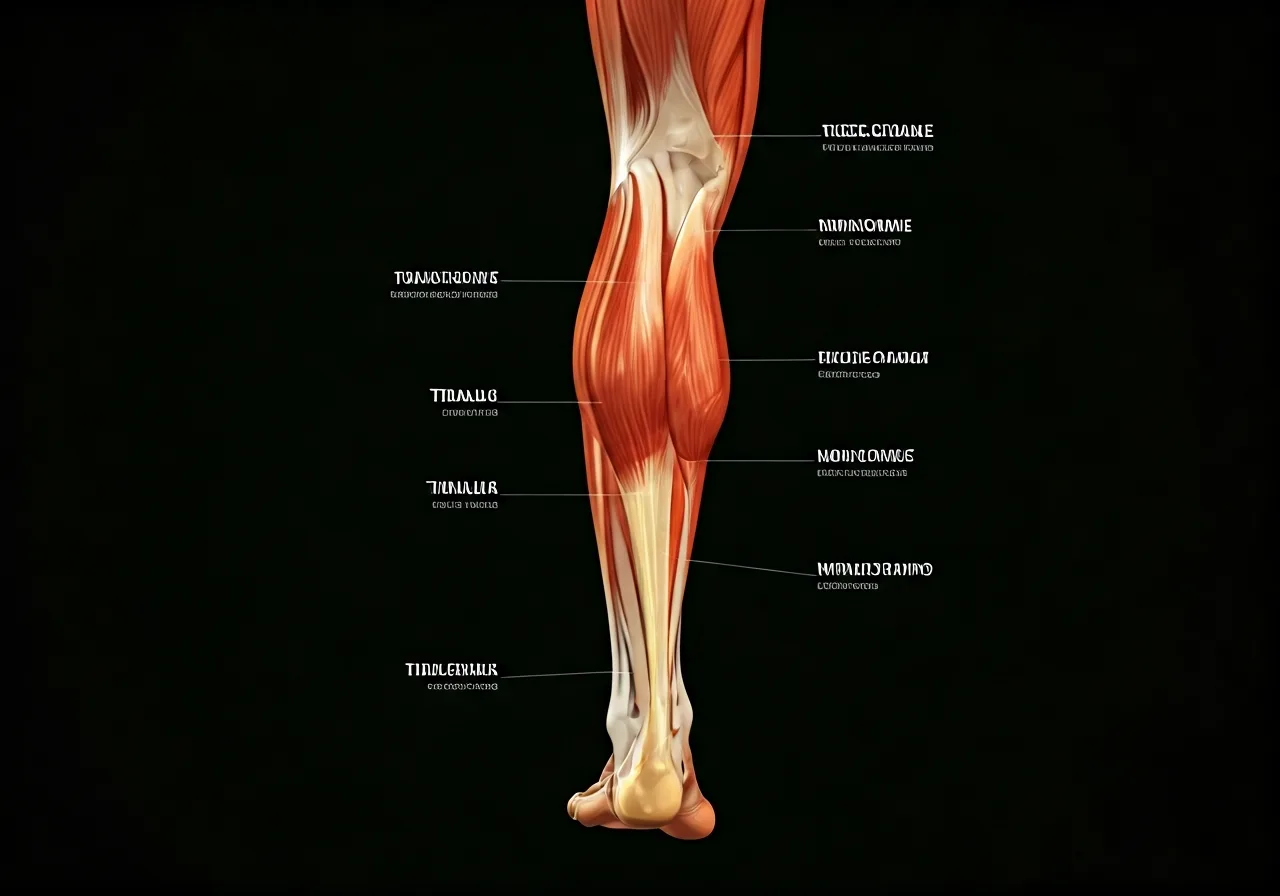
Depending on which side of the lower leg you are discussing, you will add a second word. The tibialis anterior pronunciation is tib-ee-AY-liss an-TEER-ee-or. This muscle runs down the front of your shin and is vital for dorsiflexion. In fact, a weak tibialis anterior can lead to various lower body issues, and it might even be the hidden root cause of knee pain.
Conversely, the tibialis posterior pronunciation is tib-ee-AY-liss pos-TEER-ee-or. This deeper muscle supports the arch of your foot. If you are curious about how these two interact, you can read more about the tibialis posterior and its antagonist muscles.
Where Does the Word Tibialis Come From?
To fully grasp the tibialis definition, we must look at its origins. The word stems from the Latin term “tibia”, which translates to a pipe or flute. In human anatomy, the tibia is the large shin bone of the lower leg. The suffix “-alis” simply means “pertaining to.”
Therefore, the literal translation is “pertaining to the shin bone.” This makes perfect logical sense since these muscles directly attach to and surround the tibia.
Why Correct Anatomical Pronunciation Matters
If you are wondering what does tibialis mean for a patient, communicating properly with your doctor or physical therapist is key. When discussing ailments like tibialis tendonitis, having the right phonetics ensures clarity.
Whether you are studying the posterior side or treating an anterior injury, mastering this terminology builds confidence in your anatomical knowledge.
Frequently Asked Questions (FAQ)
How do you pronounce the word tibialis?
It is pronounced tib-ee-AY-liss, with the primary stress placed on the “AY” syllable.
What is the correct tibialis phonetic spelling?
In standard phonetics, it is written as /ˌtɪb.iˈeɪ.lɪs/, which translates clearly to English speakers as tib-ee-ay-liss.
Is the pronunciation different for anterior and posterior?
The word tibialis is pronounced exactly the same in both cases. You simply add “an-TEER-ee-or” or “pos-TEER-ee-or” afterward.
Where does the word originate from?
It originates from the Latin word “tibia”, meaning pipe or flute, which refers to the main bone of the lower leg.
Get our latest guides, news, and insights highlighted in your Google Search & AI Overviews.