
KT Taping Your Posterior Tibialis: The Ultimate Step-by-Step Guide
Are you experiencing pain or discomfort in your posterior tibialis muscle? If so, KT taping could be the solution you’ve been looking for. In this ultimate step-by-step guide, we’ll walk you through the process of applying KT tape to your posterior tibialis, helping you find relief and get back to your normal activities in no time. Stay tuned for expert tips and detailed instructions to make the most out of this popular taping technique.
Contents
- Introduction to KT Taping and its Benefits for Posterior Tibialis
- Understanding the Anatomy and Function of the Posterior Tibialis Muscle
- Choosing the Right KT Tape for Posterior Tibialis Support
- Step-by-Step Guide to Properly Applying KT Tape for Posterior Tibialis
- Tips for Maximizing the Effectiveness of KT Taping for Posterior Tibialis
- Precautions and Common Mistakes to Avoid When KT Taping the Posterior Tibialis
- How Long to Leave KT Tape on for Posterior Tibialis Support
- Removing KT Tape Safely and Effectively After Posterior Tibialis Treatment
- Posterior Tibialis Strengthening Exercises to Supplement KT Taping Therapy
- The Way Forward
Introduction to KT Taping and its Benefits for Posterior Tibialis
When it comes to treating posterior tibialis issues, KT taping can be a game-changer. This innovative taping technique provides support and stability to the posterior tibialis muscle, helping to alleviate pain and promote proper biomechanics. Whether you’re a seasoned athlete or just someone looking to move pain-free, KT taping can make a significant difference in your recovery process.
One of the key benefits of KT taping for the posterior tibialis is its ability to reduce strain on the muscle and surrounding tissues. By applying the tape in a specific pattern, you can help correct any imbalances or weaknesses in the muscle, ultimately leading to improved function and decreased pain. Additionally, KT taping can help improve circulation and reduce inflammation in the affected area, further aiding in the healing process.
With the help of this step-by-step guide, you’ll learn how to properly apply KT tape to your posterior tibialis, maximizing its benefits and helping you get back to doing what you love.

Understanding the Anatomy and Function of the Posterior Tibialis Muscle
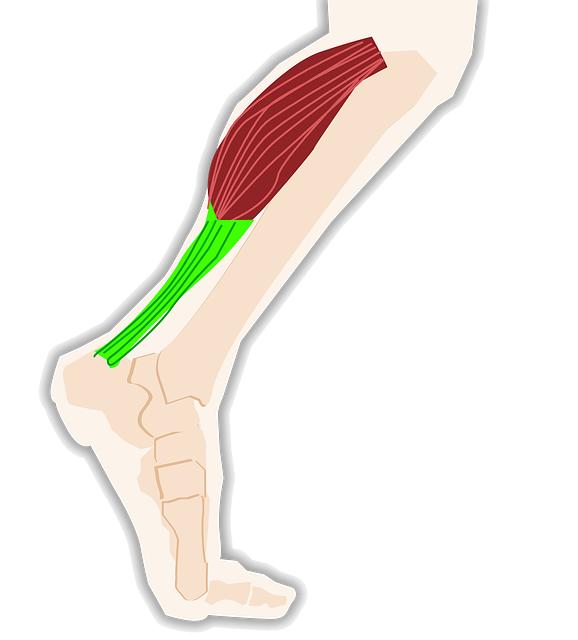
The posterior tibialis muscle is a key player in the stability and function of the foot and ankle. Understanding its anatomy and function is crucial for anyone looking to address issues such as overpronation, flat feet, or plantar fasciitis. This muscle originates from the back of the shinbone (tibia) and runs down the inside of the ankle, attaching to the bones on the inside of the foot. Its main function is to support the arch of the foot and control the inward rolling motion of the foot during walking or running.
When the posterior tibialis muscle is weak or overworked, it can lead to a range of foot and ankle problems. KT taping is a popular technique used to provide support and stability to the muscles and tendons in this area. By applying KT tape in the right way, you can help relieve pain, improve muscle function, and prevent further injury. Follow this step-by-step guide to learn how to effectively apply KT tape to your posterior tibialis muscle for optimal support and pain relief.
Here are some key steps to keep in mind when KT taping your posterior tibialis muscle:
- Start with clean, dry skin to ensure the tape adheres properly.
- Begin by anchoring the tape at the base of the foot, near the arch.
- Gently pull the tape up along the inside of the ankle, following the path of the posterior tibialis muscle.
- Finish by anchoring the tape below the calf muscle, providing support to the entire muscle group.
Choosing the Right KT Tape for Posterior Tibialis Support
When it comes to providing support for your posterior tibialis, KT Tape can be a game changer. Knowing which tape to choose is essential for effective support and pain relief. Here are some tips to help you choose the right KT Tape for your posterior tibialis:
- Consider the intensity of your activities: If you engage in high-intensity workouts or sports that put a lot of strain on your posterior tibialis, opt for a more supportive and durable tape.
- Pay attention to your skin sensitivity: Some KT Tapes are designed with hypoallergenic materials to minimize skin irritation. Make sure to choose a tape that suits your skin type.
- Choose the right size and shape: KT Tapes come in different sizes and shapes to accommodate various body parts. Select a tape that fits comfortably and provides adequate support for your posterior tibialis.

Step-by-Step Guide to Properly Applying KT Tape for Posterior Tibialis
To properly apply KT Tape for Posterior Tibialis, follow these simple steps:
- Clean and dry the skin: Before applying the tape, make sure the area is clean and free of any lotions or oils.
- Measure and cut the tape: Measure the length of tape needed from the base of your heel to just below your knee, then cut the tape accordingly.
- Apply the tape: Start by anchoring one end of the tape just below the inside of your heel. Stretch the tape gently as you wrap it around your foot, following the path of the posterior tibialis muscle towards the inside of your knee. Finish by anchoring the other end of the tape just below the knee cap.
For additional support and comfort, consider using a pre-cut strip of KT Tape specifically designed for the posterior tibialis. Remember to remove the tape gently and slowly to avoid any skin irritation. With proper application, KT Tape can help provide support and relief for posterior tibialis issues.
Tips for Maximizing the Effectiveness of KT Taping for Posterior Tibialis
If you’re looking to maximize the effectiveness of KT taping for your posterior tibialis, follow these top tips to ensure you get the most out of your taping technique:
- Proper Placement: Make sure to correctly position the tape along the posterior tibialis muscle to provide the right support and stability.
- Appropriate Tension: Apply the tape with just the right amount of tension – not too tight or too loose - to ensure it stays in place and provides the needed support.
- Smooth Application: Smooth out the tape as you apply it to prevent any wrinkles or creases, which can affect the tape’s effectiveness.
| Tip | Description |
|---|---|
| Proper Placement | Position tape correctly for support. |
| Appropriate Tension | Apply tape with right amount of tension. |
| Smooth Application | Ensure tape is smoothed out to avoid wrinkles. |

Precautions and Common Mistakes to Avoid When KT Taping the Posterior Tibialis
When applying Kinesiology Tape to your posterior tibialis, it’s important to take some precautions to ensure proper application and avoid common mistakes.
- Precautions:
- Make sure the skin is clean and dry before applying the tape.
- Avoid stretching the tape too much as it can cause discomfort or restrict blood flow.
- Remove the tape immediately if you experience any unusual pain, swelling, or tingling sensation.
- Common Mistakes to Avoid:
- Avoid applying the tape too tightly, as it can hinder proper circulation.
- Ensure the tape is applied evenly and smoothly to prevent wrinkling or peeling.
- Do not apply the tape over any open wounds, irritated skin, or areas with excessive hair.

How Long to Leave KT Tape on for Posterior Tibialis Support
When using KT Tape for posterior tibialis support, it’s essential to know how long to leave it on for optimal results. Proper application and wear time are crucial for maximizing the benefits of KT Tape. To ensure the best outcome, follow these guidelines:
- Preparation: Clean and dry the skin before applying the KT Tape to ensure proper adhesion.
- Application: Carefully apply the tape along the muscle tendon line, starting at the base of the foot and working your way up to the calf.
- Wear Time: It is recommended to leave the KT Tape on for 2-3 days for effective support. However, if you experience any discomfort or irritation, remove the tape immediately.
Following these steps will help you get the most out of your KT Tape for posterior tibialis support. Remember to listen to your body and adjust the wear time as needed to ensure comfort and effectiveness.
Removing KT Tape Safely and Effectively After Posterior Tibialis Treatment
When it comes to removing KT Tape after posterior tibialis treatment, it’s important to do so safely and effectively to avoid any skin irritation or discomfort. Here are some steps to follow for a smooth removal process:
- Start by gently peeling back the edges of the tape, taking care not to pull too quickly or forcefully.
- Slowly peel back the tape in the direction of hair growth to minimize any discomfort.
- If you encounter any resistance or sticking, try applying some warm water or oil to help loosen the adhesive.
Remember, taking your time and being gentle is key to removing KT Tape safely and effectively. By following these steps, you can ensure a comfortable and hassle-free experience post-treatment.
Posterior Tibialis Strengthening Exercises to Supplement KT Taping Therapy
After applying KT tape to support your posterior tibialis, it’s important to also incorporate strengthening exercises into your routine to further enhance the effectiveness of your treatment. Here are some key exercises to help strengthen the posterior tibialis:
- Calf Raises: Stand with your feet hip-width apart and slowly rise up onto your toes, then lower back down. Repeat for 3 sets of 15 reps.
- Resistance Band Ankle Inversion: Sit with your legs extended and wrap a resistance band around the ball of one foot. Slowly turn your foot inward against the resistance of the band. Complete 3 sets of 12 reps on each foot.
- Single Leg Balances: Stand on one leg with your hands on your hips, and hold for 30 seconds to 1 minute. Switch legs and repeat for 3 sets on each side.
| Exercise | Repetitions |
|---|---|
| Calf Raises | 3 sets of 15 reps |
| Resistance Band Ankle Inversion | 3 sets of 12 reps on each foot |
| Single Leg Balances | 3 sets, 30 sec – 1 min on each leg |
By incorporating these exercises into your routine in conjunction with KT taping, you can provide comprehensive support and strength to your posterior tibialis, helping to alleviate pain and improve overall function.
The Way Forward
Now that you have learned the ins and outs of KT taping your posterior tibialis, you are well-equipped to tackle this common injury with confidence. Remember to consult with a healthcare professional if you have any concerns or questions, and always listen to your body during the healing process. With these step-by-step instructions, you can effectively provide support and relief to your posterior tibialis, allowing you to get back to the activities you love in no time. Stay proactive, stay informed, and most importantly, stay focused on your recovery journey.
Get our latest guides, news, and insights highlighted in your Google Search & AI Overviews.


![Torn Tibialis Anterior? Why It Might Hurt More at Night [Explained]](https://tibialist.net/wp-content/uploads/2024/05/3641-torn-tibialis-anterior-why-it-might-hurt-more-at-night-explained.jpg "Torn Tibialis Anterior? Why It Might Hurt More at Night [Explained] 10")