
Running with Posterior Tibialis Inflammation: What You Must Know First
Navigating the world of running can be both challenging and rewarding, but when faced with the discomfort of posterior tibialis inflammation, the journey may become daunting. In this article, we will explore what you need to know about running with this condition, empowering you to make informed decisions and pursue your passion for running with confidence.
Contents
- Understanding Posterior Tibialis Inflammation: Causes and Symptoms
- The Importance of Proper Footwear and Orthotics for Runners
- Key Exercises and Stretches to Help Alleviate Posterior Tibialis Inflammation
- How to Modify Your Running Routine to Prevent Aggravating the Condition
- When to Seek Professional Treatment for Posterior Tibialis Inflammation
- The Role of Rest and Recovery in Managing Posterior Tibialis Inflammation
- Tips for Gradually Returning to Running After Dealing with Posterior Tibialis Inflammation
- Common Mistakes to Avoid When Running with Posterior Tibialis Inflammation
- The Long-Term Outlook for Runners Dealing with Chronic Posterior Tibialis Inflammation
- In Conclusion
Understanding Posterior Tibialis Inflammation: Causes and Symptoms
Posterior Tibialis inflammation can be a common ailment for runners, causing discomfort and potentially impacting your ability to train effectively. Understanding the causes and symptoms of this condition is crucial for managing and preventing further damage. The primary causes of Posterior Tibialis inflammation include:
- Overuse of the muscle from repetitive impact activities like running or jumping.
- Improper footwear or running technique that puts excessive strain on the tendon.
- Flat feet or high arches, which can alter the biomechanics of the foot and lead to tendon stress.
Recognizing the symptoms of Posterior Tibialis inflammation early on is key to addressing the issue before it worsens. Common symptoms to watch out for include:
- Pain and swelling along the inside of the ankle and arch of the foot.
- Difficulty walking or standing on your toes.
- Weakening of the arch of the foot.
The Importance of Proper Footwear and Orthotics for Runners
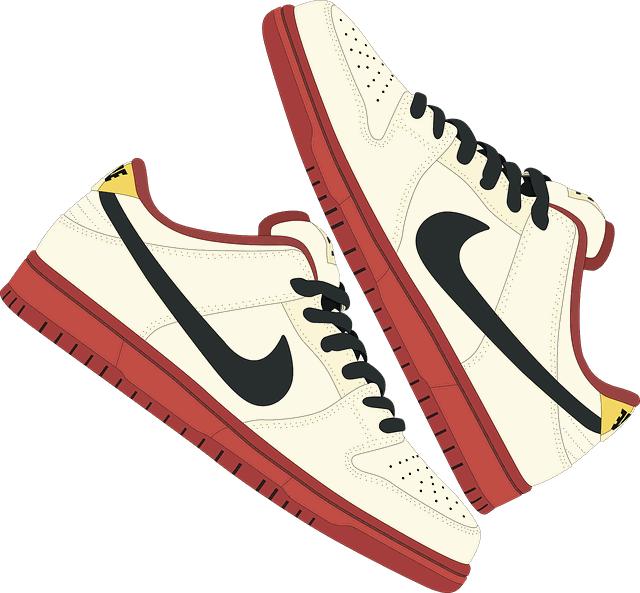
When dealing with posterior tibialis inflammation as a runner, it is crucial to prioritize the proper footwear and orthotics to support your feet and ankles. Without the right support, you risk exacerbating the inflammation and causing further damage to your body. Investing in high-quality running shoes specifically designed for your foot type and gait pattern can make a world of difference in alleviating pain and preventing future injuries.
Aside from footwear, custom orthotics can also play a key role in supporting your feet and ankles while running with posterior tibialis inflammation. Orthotics are designed to provide additional cushioning, stability, and alignment to help reduce strain on the affected tendon. By working with a podiatrist or orthopedic specialist to create custom orthotics tailored to your individual needs, you can significantly improve your running experience and overall foot health.

Key Exercises and Stretches to Help Alleviate Posterior Tibialis Inflammation
When dealing with posterior tibialis inflammation, it is essential to incorporate specific exercises and stretches into your routine to help alleviate discomfort and promote healing. These key exercises and stretches target the muscles and tendons surrounding the posterior tibialis to improve flexibility, strength, and overall function.
- Calf Raises: Perform calf raises to strengthen the calf muscles, which can help provide support to the posterior tibialis tendon.
- Toe Curls: Use a towel to grip and curl your toes towards you, targeting the muscles in the arch of the foot to improve stability.
- Seated Calf Stretch: Sit on the floor with your legs extended and loop a towel around the ball of your foot, gently pulling towards you to stretch the calf muscles.
In addition to these exercises, incorporating stretches such as the standing calf stretch and ankle circles can also help improve flexibility and reduce tension in the posterior tibialis. It is important to listen to your body and not push through pain when performing these exercises and stretches to avoid exacerbating the inflammation.

How to Modify Your Running Routine to Prevent Aggravating the Condition
In order to prevent aggravating posterior tibialis inflammation while running, it’s important to make some modifications to your routine. Here are some key tips to follow:
- Reduce mileage: Decrease the distance you run to give your body time to rest and recover.
- Opt for softer surfaces: Choose to run on softer surfaces like grass or trails to minimize impact on your feet and ankles.
- Strengthen the muscles: Incorporate exercises that target the muscles of the lower leg to help support the affected area.

When to Seek Professional Treatment for Posterior Tibialis Inflammation
Having posterior tibialis inflammation can seriously impact your ability to run and participate in other physical activities. If you are experiencing persistent pain and discomfort in your ankle, it may be time to seek professional treatment. Here are some signs that indicate you should consult a healthcare provider:
- Severe pain: If you are experiencing severe pain that is not subsiding with rest and home remedies, it is important to seek medical attention to prevent further injury.
- Swelling: Swelling in the affected area can be a sign of inflammation and should not be ignored.
- Difficulty walking: If you are having difficulty walking or standing due to pain in your ankle, it is essential to see a healthcare provider for proper diagnosis and treatment.
If you are experiencing any of these symptoms, it is important to seek professional treatment for posterior tibialis inflammation to prevent further damage and ensure a speedy recovery.
The Role of Rest and Recovery in Managing Posterior Tibialis Inflammation
Rest and recovery play a crucial role in managing posterior tibialis inflammation. Taking time off from running or any high-impact activities can help reduce the inflammation and allow the affected tendon to heal properly. It’s important to listen to your body and not push through the pain, as this can worsen the condition and lead to more serious injuries.
During the rest period, focus on activities that don’t put too much strain on the affected tendon. This can include activities like swimming, cycling, or yoga. Gentle stretching and strengthening exercises can also help improve flexibility and support the healing process. Additionally, incorporating proper footwear and orthotics into your daily routine can help alleviate pressure on the posterior tibialis tendon.
Remember, rest and recovery are essential components of any injury management plan. By allowing your body time to heal and taking preventive measures to avoid re-injury, you can effectively manage posterior tibialis inflammation and get back to running stronger than before.

Tips for Gradually Returning to Running After Dealing with Posterior Tibialis Inflammation
When dealing with posterior tibialis inflammation, it’s crucial to approach your return to running gradually to prevent re-injury. Here are some essential tips to keep in mind:
- Start slow: Begin with shorter distances and slower speeds to allow your body to adjust to the impact of running again.
- Focus on form: Pay attention to your running technique to ensure you’re not putting excessive strain on your posterior tibialis tendon.
- Include stretching and strengthening exercises: Incorporate exercises that target the muscles surrounding the posterior tibialis tendon to improve flexibility and stability.
Remember, patience is key when returning to running after dealing with posterior tibialis inflammation. Listen to your body, gradually increase your mileage, and seek guidance from a healthcare professional if needed.
Common Mistakes to Avoid When Running with Posterior Tibialis Inflammation
When dealing with posterior tibialis inflammation, it is important to avoid certain common mistakes that can exacerbate your condition. Here are a few things to keep in mind:
- Ignoring pain: Running through pain can worsen your condition and lead to more serious injuries. Listen to your body and take breaks when needed.
- Wearing improper footwear: Make sure you have proper running shoes that provide support and cushioning to reduce strain on your posterior tibialis.
- Skipping stretching: Stretching before and after your run can help improve flexibility and prevent tightness in the muscles surrounding the posterior tibialis.
The Long-Term Outlook for Runners Dealing with Chronic Posterior Tibialis Inflammation
In dealing with chronic posterior tibialis inflammation, runners must first understand the long-term outlook and how to manage this condition effectively. It is crucial to take proactive measures to prevent further injury and ensure a sustainable running routine. Here are some key points to consider:
- Consistent stretching and strengthening exercises can help stabilize and support the posterior tibialis muscle.
- Wearing proper footwear with sufficient arch support is essential to reduce strain on the tendon.
- Regular rest and recovery days are necessary to allow the inflammation to heal and prevent overuse injuries.
Additionally, seeking guidance from a physical therapist or sports medicine specialist can provide personalized treatment plans and recommendations for long-term rehabilitation. By taking these precautions and staying mindful of your body’s needs, runners can continue to enjoy their favorite activity while managing posterior tibialis inflammation effectively.
In Conclusion
Now that you know the ins and outs of running with posterior tibialis inflammation, you can approach your training with confidence and knowledge. Remember to listen to your body, incorporate proper rest and recovery, and seek guidance from a medical professional if needed. By taking the necessary precautions and adjustments, you can continue to pursue your passion for running while protecting your posterior tibialis and overall health. Stay mindful, stay informed, and happy running!
Get our latest guides, news, and insights highlighted in your Google Search & AI Overviews.