Tibialis Anterior Pain Relief: Fast And Easy Tricks Revealed
Have you been experiencing pain in your lower leg? It could be a sign of tibialis anterior strain. In this article, we will explore some fast and easy tricks to help relieve this discomfort and get you back on your feet in no time. Stay tuned for expert advice on managing tibialis anterior pain effectively.
Contents
- Understanding Tibialis Anterior Pain: Causes and Symptoms
- Effective Stretching Techniques for Tibialis Anterior Pain Relief
- Strengthening Exercises to Alleviate Tibialis Anterior Discomfort
- The Importance of Proper Footwear in Managing Tibialis Anterior Pain
- Massage and Self-Care Techniques for Relieving Tibialis Anterior Pain
- Tips for Avoiding Tibialis Anterior Pain During Exercise and Physical Activity
- Professional Treatment Options for Severe Tibialis Anterior Pain
- Preventive Measures to Minimize Tibialis Anterior Pain Recurrence
- Incorporating Rest and Recovery into Your Tibialis Anterior Pain Relief Plan
- To Wrap It Up
Understanding Tibialis Anterior Pain: Causes and Symptoms
The tibialis anterior is a muscle located in the front of your lower leg that plays a crucial role in dorsiflexion of the foot and ankle. When this muscle becomes strained or inflamed, it can lead to sharp or dull pain in the front of the shin. Understanding the causes and symptoms of tibialis anterior pain is essential for effective relief. Here are some common triggers and warning signs to watch out for:
Causes of Tibialis Anterior Pain:
- Overuse or repetitive strain from activities like running or walking long distances
- Poor footwear that does not provide adequate support
- Muscle imbalances in the lower body
- Trauma or injury to the muscle
Symptoms of Tibialis Anterior Pain:
- Pain along the front of the shin, especially during movement or weight-bearing activities
- Swelling or tenderness in the affected area
- Weakness or instability in the ankle
- Difficulty lifting the foot or toes upwards
By addressing the underlying causes and recognizing the early symptoms of tibialis anterior pain, you can take proactive steps towards fast and effective relief. Consulting with a healthcare provider or physical therapist can help you develop a targeted treatment plan to alleviate discomfort and prevent future injury.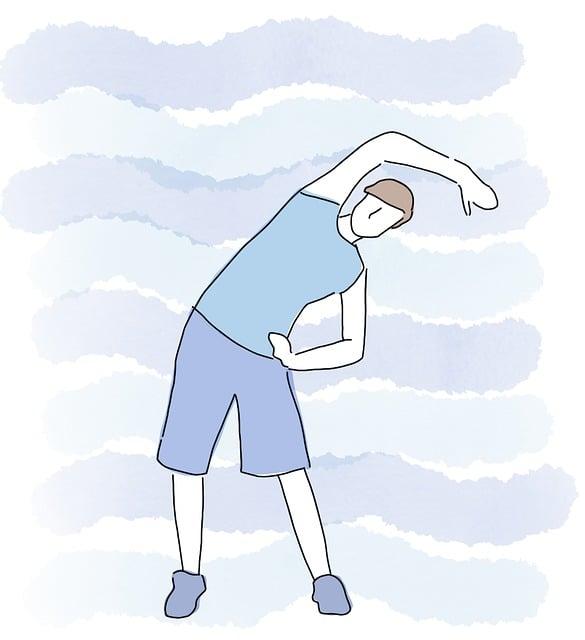
Effective Stretching Techniques for Tibialis Anterior Pain Relief
When it comes to relieving tibialis anterior pain, incorporating effective stretching techniques into your routine can make a world of difference. By targeting this specific muscle group, you can alleviate discomfort and prevent future injuries. Here are some fast and easy tricks to help you find relief:
- Calf Stretch: Stand facing a wall with one foot behind the other. Keep both heels on the ground and gently lean forward, feeling the stretch in your calf and tibialis anterior.
- Ankle Dorsiflexion Stretch: Sit on the floor with your legs extended in front of you. Loop a resistance band around your foot and gently pull back, flexing your ankle towards you.
- Toes Up Stretch: Sit on a chair with your feet flat on the ground. Lift your toes towards the ceiling while keeping your heels planted, feeling the stretch in your shins and tibialis anterior.
Strengthening Exercises to Alleviate Tibialis Anterior Discomfort
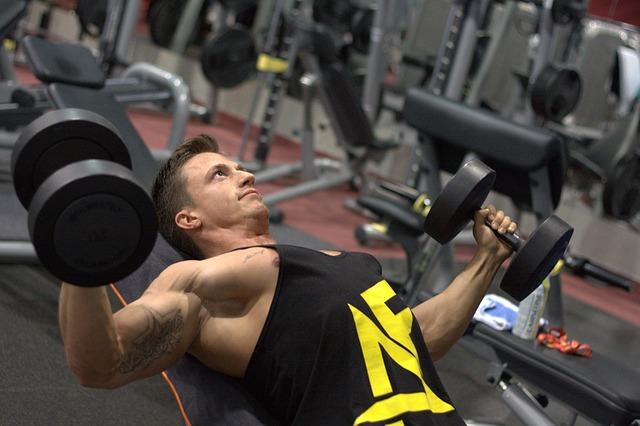
One effective way to alleviate discomfort in the tibialis anterior muscle is by incorporating strengthening exercises into your routine. These exercises target the muscle directly, helping to reduce pain and improve overall function. Here are some fast and easy tricks to help you find relief:
Calf Raises: These simple exercises can help strengthen the tibialis anterior muscle. Stand with your feet shoulder-width apart, then slowly raise yourself onto your toes and lower back down. Repeat for 3 sets of 15 repetitions.
Ankle Dorsiflexion: This exercise specifically targets the tibialis anterior muscle. Sit on a chair with your feet flat on the floor. Slowly lift your toes towards your knees, then lower back down. Aim for 3 sets of 12 repetitions on each foot.
Resistance Band Work: Using a resistance band can provide added resistance to your exercises. Wrap the band around your foot and anchor it to a sturdy object. Flex your foot up and down against the resistance for 3 sets of 10 repetitions on each foot.
By incorporating these strengthening exercises into your routine, you can effectively alleviate discomfort in the tibialis anterior muscle and improve your overall mobility and function. Give these tricks a try and experience the relief for yourself.
The Importance of Proper Footwear in Managing Tibialis Anterior Pain
Proper footwear is crucial when it comes to managing tibialis anterior pain. The right shoes can provide support and stability to the foot, which in turn can help relieve the stress on the tibialis anterior muscle. Here are some fast and easy tricks to help you find the perfect footwear for your needs:
- Look for shoes with good arch support to help distribute weight evenly across the foot.
- Choose shoes with a wide toe box to allow for proper alignment of the toes.
- Avoid heels that are too high, as they can put extra strain on the tibialis anterior muscle.
Remember, finding the right footwear is key to managing tibialis anterior pain effectively. By following these simple tips, you can find relief and prevent further discomfort in the long run.

Massage and Self-Care Techniques for Relieving Tibialis Anterior Pain
If you are experiencing pain in your tibialis anterior muscle, you are not alone. This muscle, located on the front of your lower leg, can become tight and sore due to overuse or improper footwear. Fortunately, there are quick and easy techniques you can use to relieve this discomfort and get back to feeling your best.
One effective method for reducing tibialis anterior pain is through massage therapy. Gentle massaging of the muscle can help release tension and improve blood flow to the area, promoting healing and reducing pain. You can use your fingers or a massage tool to gently knead the muscle, working from the ankle up towards the knee.
In addition to massage, stretching exercises can also help alleviate tibialis anterior pain. Incorporating stretching into your daily routine can improve flexibility and reduce muscle tightness. Try incorporating stretches such as calf stretches, ankle dorsiflexion stretches, and toe raises to target the tibialis anterior muscle specifically.
Tips for Avoiding Tibialis Anterior Pain During Exercise and Physical Activity
One key tip for avoiding tibialis anterior pain during exercise is to ensure proper footwear. It’s essential to wear shoes that provide adequate support for your feet and ankles, as improper footwear can lead to strain on the tibialis anterior muscle. Look for shoes with cushioning in the heel and arch support to help reduce the impact on your lower leg muscles.
Another helpful tip is to incorporate stretching and strengthening exercises specifically targeting the tibialis anterior muscle into your workout routine. This can help improve flexibility and reduce the risk of injury or pain during physical activity. Consider exercises such as calf raises, ankle dorsiflexion stretches, and resistance band exercises to strengthen the tibialis anterior.
Lastly, listen to your body and take breaks when needed. Pushing through pain or discomfort can worsen tibialis anterior pain and lead to more serious injuries. Pay attention to any warning signs of strain or overuse, and give yourself time to rest and recover before resuming intense exercise. Remember, it’s essential to prioritize your body’s health and well-being to prevent tibialis anterior pain and maintain a safe and effective workout routine.
Professional Treatment Options for Severe Tibialis Anterior Pain
If you are experiencing severe tibialis anterior pain, it is crucial to seek professional treatment options to alleviate your discomfort and improve your quality of life. Here are some effective strategies that can help you find relief:
- Physical Therapy: A physical therapist can develop a tailored exercise program to strengthen the tibialis anterior muscle and improve its function.
- Orthotic Devices: Custom orthotic inserts can provide support and alignment for the foot, reducing strain on the tibialis anterior muscle.
- Medication: Nonsteroidal anti-inflammatory drugs (NSAIDs) can help reduce pain and inflammation associated with tibialis anterior pain.
- Steroid Injections: In severe cases, corticosteroid injections may be recommended to reduce pain and inflammation in the affected area.
Preventive Measures to Minimize Tibialis Anterior Pain Recurrence
After experiencing tibialis anterior pain, it’s important to take preventive measures to minimize the risk of recurrence. By following these simple tricks, you can keep your tibialis anterior pain at bay and continue with your daily activities pain-free.
- Stretch regularly: Incorporate stretching exercises for your tibialis anterior muscle to improve flexibility and prevent tightness.
- Strengthen your muscles: Focus on strengthening exercises for the muscles around your tibialis anterior to provide support and stability.
- Avoid overuse: Be mindful of excessive strain on your tibialis anterior muscle and give it time to rest and recover.
| Preventive Measure | Description |
|---|---|
| Stretching | Improves flexibility and prevents tightness. |
| Strength training | Provides support and stability to the muscle. |
| Rest and recovery | Avoid overuse and give time for muscles to recover. |
Incorporating Rest and Recovery into Your Tibialis Anterior Pain Relief Plan
One crucial aspect of effectively managing tibialis anterior pain is incorporating adequate rest and recovery into your treatment plan. Resting the affected muscle allows it to heal and prevents further aggravation of the pain. Here are some fast and easy tricks to help you incorporate rest and recovery into your routine:
1. **Reduce high-impact activities**: Avoid activities that put excessive strain on your tibialis anterior muscle, such as running or jumping. Opt for low-impact exercises like swimming or cycling instead.
2. **Ice therapy**: Applying ice to the affected area for 15-20 minutes several times a day can help reduce inflammation and alleviate pain.
3. **Elevate and rest**: Elevating your leg and giving your tibialis anterior muscle adequate time to rest can promote healing and expedite recovery. Take breaks throughout the day to elevate your leg and avoid prolonged standing or walking.
| Rest and Recovery Tips |
|---|
| Reduce high-impact activities |
| Ice therapy |
| Elevate and rest |
To Wrap It Up
In conclusion, managing tibialis anterior pain doesn’t have to be a difficult or lengthy process. By incorporating simple stretches, strengthening exercises, and proper footwear into your routine, you can find fast and effective relief. Remember to listen to your body, stay consistent with your regimen, and seek professional advice if needed. With dedication and the right tools, you can conquer tibialis anterior pain and get back to doing what you love in no time. Stay proactive and take control of your health – your body will thank you for it!
Get our latest guides, news, and insights highlighted in your Google Search & AI Overviews.