Knee Pain After Basketball? Fix It With These Tips
Whether you’re a seasoned pro or just enjoy shooting hoops with friends, if you’ve been experiencing knee pain after playing basketball, you’re not alone. But fret not! In this article, we’ll share some expert tips on how to alleviate and prevent post-game knee pain, so you can get back on the court feeling strong and pain-free. So lace up your sneakers and let’s dive in!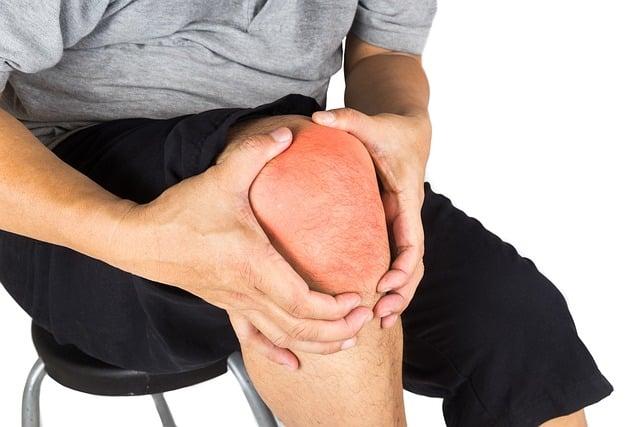
Contents
- Common Causes of Knee Pain in Basketball Players
- Tips for Preventing Knee Pain During Basketball
- Exercises to Strengthen Your Knees and Reduce Pain
- Choosing the Right Shoes to Support Your Knees
- Proper Warm-Up and Cool Down Techniques
- Effective Stretches for Relieving Knee Pain
- Nutrition Tips for Supporting Joint Health
- Importance of Rest and Recovery for Knee Pain Relief
- Insights and Conclusions
Common Causes of Knee Pain in Basketball Players
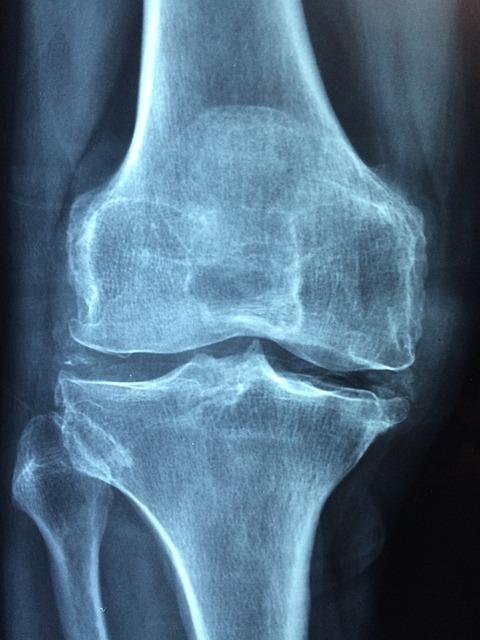
One of the most common complaints among basketball players is knee pain. Whether you’re a professional athlete or just enjoy shooting hoops in your spare time, knee pain can put a damper on your game. Understanding the root cause of your knee pain is essential to finding a solution that works for you. Here are some :
- Overuse injuries from repetitive movements on the court
- Improper landing techniques after jumps
- Poor muscle strength and flexibility in the legs
- Previous knee injuries that have not fully healed
By addressing these common causes of knee pain, you can take steps to alleviate your discomfort and prevent future injuries. Whether it’s through physical therapy, strength training, or changes in your playing style, there are plenty of ways to keep your knees healthy and pain-free while playing basketball.
Tips for Preventing Knee Pain During Basketball
One of the most common issues basketball players face is knee pain. This can be incredibly frustrating and have a significant impact on your game. Luckily, there are several tips you can follow to prevent knee pain and keep playing at your best.
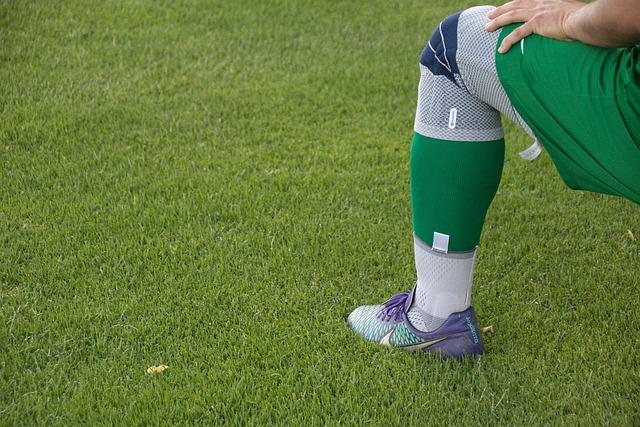
First and foremost, make sure you are wearing the right shoes for basketball. Properly fitted shoes with good support can help reduce the impact on your knees during games and practices. Additionally, consider using knee braces or sleeves for extra support and stability.
Another important tip is to pay attention to your form and technique while playing. Make sure you are using proper jumping and landing mechanics to reduce the strain on your knees. Strengthening exercises, such as squats and lunges, can also help stabilize your knees and prevent pain. Don’t forget to stretch before and after playing to keep your muscles flexible and prevent tightness that can lead to knee pain. By following these tips, you can help prevent knee pain and keep playing the game you love.
Exercises to Strengthen Your Knees and Reduce Pain
If you are experiencing knee pain after playing basketball, it is important to strengthen your knees with specific exercises to reduce discomfort and prevent further injury. Here are some exercises that can help strengthen your knees and alleviate pain:
- Quad Sets: Sit with your legs straight and tighten the muscle on top of your thigh. Hold for a few seconds and then relax. Repeat 10-15 times.
- Straight Leg Raises: Lie on your back with one leg bent and the other straight. Lift your straight leg to the height of your bent knee, then slowly lower it back down. Do 10-15 repetitions on each leg.
- Hamstring Curls: Attach ankle weights to your ankles, then stand with your feet hip-width apart. Slowly lift one foot towards your buttocks, then lower it back down. Do 10-15 reps on each leg.

Choosing the Right Shoes to Support Your Knees
When it comes to preventing knee pain after playing basketball, choosing the right shoes is key. The shoes you wear can make a significant impact on the support and stability of your knees during physical activity. Here are some tips to help you select the best shoes to support your knees:
- Arch Support: Look for shoes with good arch support to help distribute your weight evenly and reduce stress on your knees.
- Cushioning: Opt for shoes with adequate cushioning in the midsole to absorb shock and reduce the impact on your knees.
- Stability: Choose shoes with a firm heel counter and a stable base to help prevent your foot from rolling inward or outward, which can strain your knees.
By paying attention to these factors when selecting your basketball shoes, you can better protect your knees and minimize the risk of developing pain or injuries. Remember to also replace your shoes regularly to ensure they continue to provide the support your knees need.
Proper Warm-Up and Cool Down Techniques
When it comes to preventing knee pain after playing basketball, are crucial. Without a proper warm-up, your muscles and joints may not be adequately prepared for the high-intensity movements involved in the game, increasing the risk of injury. Similarly, skipping the cool down can lead to tight muscles and decreased flexibility, which can contribute to knee pain.
<p>Here are some key tips to help you prevent knee pain after playing basketball:</p>


<ul>

    <li><strong>Dynamic Warm-Up:</strong> Before hitting the court, make sure to include dynamic stretching exercises like leg swings, high knees, and lunges to increase blood flow to your muscles and improve flexibility.</li>

    <li><strong>Proper Footwear:</strong> Wearing supportive basketball shoes that fit well can help reduce the impact on your knees and prevent pain.</li>

    <li><strong>Cool Down:</strong> After the game, take the time to stretch your muscles gently to prevent tightness and promote recovery.</li>

</ul>

Effective Stretches for Relieving Knee Pain
When dealing with knee pain after playing basketball, it’s important to incorporate effective stretches into your routine to help alleviate discomfort and improve mobility. Here are some recommended stretches that can help relieve knee pain:
- Quad Stretch: Stand on one leg and grab the ankle of your other leg, bringing it towards your glutes. Hold for 30 seconds and switch sides.
- Hamstring Stretch: Sit on the floor with one leg extended and the other bent. Reach towards your toes on the extended leg, holding for 30 seconds. Switch sides.
- Calf Stretch: Stand facing a wall with one foot forward and one foot back. Lean forward, bending the front knee while keeping the back leg straight. Hold for 30 seconds and switch sides.
These stretches can help improve flexibility, reduce muscle tightness, and promote better circulation around the knee joint. Remember to perform each stretch gently and avoid any movements that cause pain. It’s always recommended to consult with a healthcare professional if you are experiencing persistent knee pain.

Nutrition Tips for Supporting Joint Health
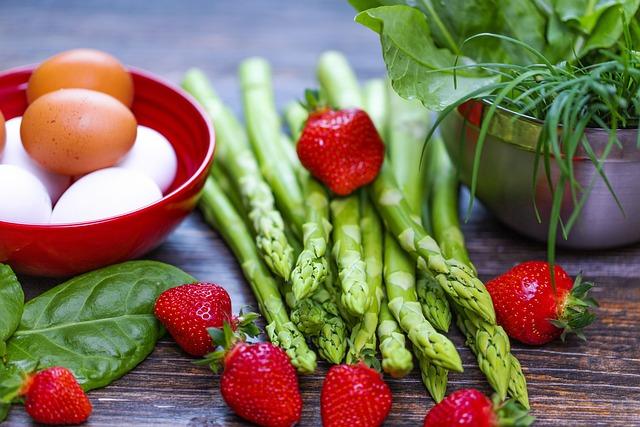
One way to improve joint health is by incorporating anti-inflammatory foods into your diet. Foods rich in omega-3 fatty acids, such as salmon, chia seeds, and walnuts, can help reduce inflammation in the body and support healthy joints.
Another important aspect of supporting joint health is staying hydrated. Drinking an adequate amount of water throughout the day helps maintain the lubrication in your joints, making movements smoother and less painful. Consider adding hydrating foods like cucumbers, watermelon, and celery to your meals.
Additionally, including foods high in vitamin C and antioxidants can help protect joint tissues from damage and degeneration. Citrus fruits, berries, and leafy greens are great sources of these nutrients. Remember, a balanced diet with a variety of nutrient-rich foods is key to supporting overall joint health and reducing pain and discomfort during physical activities like playing basketball.
| Salmon | Rich in omega-3 fatty acids |
| Chia seeds | Source of omega-3 fatty acids |
| Walnuts | Omega-3 fatty acids |
Importance of Rest and Recovery for Knee Pain Relief
Rest and recovery are essential for alleviating knee pain, especially after a vigorous activity like basketball. Giving your knees time to recover will help reduce inflammation, ease discomfort, and prevent further injury. Here are some tips to help you speed up your recovery process:
- **Ice Therapy**: Apply ice to the affected area for 15-20 minutes multiple times a day to reduce swelling and pain.
- **Elevate Your Legs**: Keep your legs elevated to improve blood flow and reduce inflammation in the knees.
- **Compression**: Wear a knee brace or wrap around the affected knee to provide support and reduce swelling.
Additionally, incorporating rest periods into your routine and avoiding activities that exacerbate the pain can also aid in your recovery. Remember that rest and recovery are just as important as exercise when it comes to managing knee pain effectively.
Insights and Conclusions
So there you have it, a few simple tips to help alleviate knee pain after playing basketball. Remember, taking care of your body is key to staying in the game for the long run. By implementing these strategies, you can keep shooting hoops without the fear of enduring persistent knee discomfort. Stay active, stay healthy, and keep enjoying the game you love!
Get our latest guides, news, and insights highlighted in your Google Search & AI Overviews.