Knee Pain from Leg Curls? Here’s What You Need to Know
Are leg curls causing you knee pain? You’re not alone. In this article, we’ll explore why leg curls can lead to discomfort in the knees and what steps you can take to mitigate the issue. Stay tuned for expert advice on how to protect your knee health while still reaping the benefits of this popular exercise.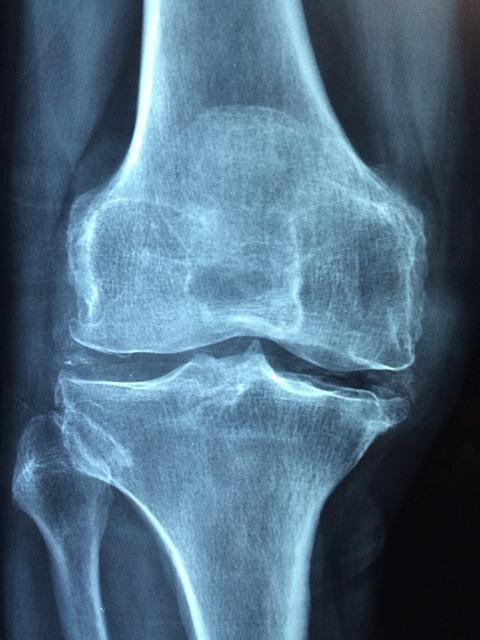
Contents
- Potential Causes of Knee Pain After Leg Curls
- Proper Form and Technique During Leg Curls
- The Importance of Strengthening Supporting Muscles
- Preventing Knee Pain with Proper Warm-Up and Stretching
- How to Adjust Leg Curl Machines for Optimal Alignment
- Alternative Exercises to Leg Curls for Knee Pain Relief
- When to Seek Professional Help for Persistent Knee Pain
- Specific Rehab Exercises for Rehabilitating Knee Pain from Leg Curls
- Key Takeaways
Potential Causes of Knee Pain After Leg Curls
If you’re experiencing knee pain after doing leg curls, there could be several potential causes that you should be aware of. Identifying the root of the problem is crucial in order to address the issue effectively and prevent further discomfort. Here are some common reasons why you may be experiencing knee pain after leg curls:
- Incorrect Form: One of the most common reasons for knee pain during leg curls is using incorrect form. This can put unnecessary strain on your knees and lead to discomfort or injury. Make sure you are using proper technique and engaging the correct muscles during the exercise.
- Weak Muscles: Weak muscles, particularly in the quadriceps, hamstrings, or glutes, can also contribute to knee pain after leg curls. Strengthening these muscles through targeted exercises can help alleviate strain on the knees.
- Overuse or Overtraining: Doing leg curls too frequently or with too much weight can lead to overuse injuries, including knee pain. It’s important to give your muscles time to rest and recover between workouts to prevent strain.

Proper Form and Technique During Leg Curls
When performing leg curls, it is essential to pay attention to your form and technique to avoid any potential knee pain or injury. Proper form can make a significant difference in the effectiveness of the exercise and reduce the risk of discomfort. Here are some tips to ensure you are performing leg curls correctly:
- Adjust the machine to fit your body size and range of motion.
- Position yourself on the machine with your knees aligned with the axis of rotation.
- Keep your hips and lower back firmly pressed against the pad throughout the movement.
- Avoid swinging or jerking movements and focus on a controlled and steady pace.
- Engage your core muscles to provide stability and support to your lower back.
By following these guidelines and focusing on proper form, you can minimize the strain on your knees during leg curls and maximize the benefits of the exercise for your hamstrings and overall lower body strength.
The Importance of Strengthening Supporting Muscles
When it comes to strengthening your muscles, focusing on more than just the main muscle groups is key. While leg curls can be a fantastic exercise for targeting your hamstrings, neglecting the supporting muscles can lead to knee pain and other issues down the line. By taking the time to strengthen these supporting muscles, you can not only prevent injury but also improve your overall performance.
One of the key supporting muscle groups to focus on when doing leg curls is the quadriceps. This muscle group plays a crucial role in stabilizing the knee joint and supporting proper knee alignment during movements like leg curls. By incorporating exercises like squats, lunges, and leg extensions into your routine, you can help to strengthen your quadriceps and reduce the risk of knee pain.
Additionally, don’t forget about the muscles of the hips and glutes. These muscles are essential for maintaining proper pelvic alignment and stability during leg curls, which can help to alleviate strain on the knee joint. Incorporating exercises like hip thrusts, clamshells, and side leg lifts can help to strengthen these muscles and improve overall lower body stability.

Preventing Knee Pain with Proper Warm-Up and Stretching
One common cause of knee pain during leg curls is improper warm-up and stretching. To prevent knee pain, it’s important to properly prepare your muscles before starting your workout. Incorporating a dynamic warm-up routine that targets the muscles used in leg curls can help prevent injury.
Start your warm-up with light cardio to increase blood flow to your muscles. Next, perform dynamic stretches such as leg swings and hip circles to loosen up your hamstrings and quadriceps. Additionally, incorporating foam rolling and mobility exercises can help improve flexibility and reduce the risk of knee pain during leg curls.
Remember, proper form is key when performing leg curls. Make sure to keep your knees in line with your hips and avoid locking out your knees at the top of the movement. By incorporating these warm-up and stretching techniques into your routine, you can help prevent knee pain and safely perform leg curls without discomfort.
How to Adjust Leg Curl Machines for Optimal Alignment
To optimize alignment and prevent knee pain when using leg curl machines, it is crucial to adjust the machine properly. Here are some key steps to ensure optimal alignment for a safe and effective leg curl workout:
-
Adjust the seat height: Sit on the machine and make sure that your knees are in line with the pivot point of the machine. The seat should be positioned so that your knees are at a 90-degree angle when your legs are fully extended.
-
Adjust the backrest: The backrest should support your lower back and hips while allowing you to maintain a neutral spine position throughout the exercise. Make sure it is positioned comfortably to avoid any strain on your lower back.
-
Adjust the leg pad: Position the leg pad so that it rests just above your ankles when your legs are fully extended. This will ensure that your lower legs are fully supported during the exercise, minimizing the risk of knee pain or injury.
By following these simple adjustments, you can optimize alignment on the leg curl machine and reduce the risk of knee pain, allowing you to focus on building strength in your hamstrings and glutes effectively.
Alternative Exercises to Leg Curls for Knee Pain Relief
If you’re experiencing knee pain from performing leg curls, don’t worry! There are alternative exercises that can help you achieve the same results without causing further discomfort. Here are some options to consider:
- Hamstring Bridge: Lie on your back with your knees bent and feet flat on the floor. Lift your hips towards the ceiling, engaging your hamstrings and glutes.
- Deadlifts: Stand with feet hip-width apart, knees slightly bent, and a barbell in front of you. Hinge at the hips, keeping your back straight, and lift the barbell by extending your hips and knees.
- Resistance Band Leg Curls: Secure a resistance band around a sturdy object and loop it around one foot. Lie on your stomach and perform a leg curl motion by bending your knee against the resistance of the band.
By incorporating these alternative exercises into your routine, you can give your knees a much-needed break while still targeting your hamstrings effectively. Remember to listen to your body and consult with a professional if the pain persists.

When to Seek Professional Help for Persistent Knee Pain
Persistent knee pain can be a frustrating issue, especially for those who enjoy doing leg curls as part of their regular workout routine. While leg curls can be an effective way to strengthen the muscles around your knees, they can also lead to knee pain if not done correctly. If you’re experiencing persistent knee pain after doing leg curls, it’s important to pay attention to your body and seek professional help if needed.
Here are some signs that indicate it may be time to seek professional help for your persistent knee pain:
- Chronic or worsening pain that doesn’t improve with rest or over-the-counter pain medication
- Swelling, redness, or warmth around the knee joint
- Pain that limits your ability to do everyday activities
Remember, it’s crucial to listen to your body and seek help when needed to prevent further injury and ensure you can continue to enjoy your active lifestyle without any setbacks.

Specific Rehab Exercises for Rehabilitating Knee Pain from Leg Curls
If you’re experiencing knee pain from leg curls, specific rehabilitative exercises can help you get back on track. These exercises target the muscles around the knee, improving strength and stability to alleviate pain and prevent future injuries.
Some effective exercises to consider incorporating into your rehab routine include:
- Straight Leg Raises: this exercise strengthens the quadriceps, which can help support the knee joint.
- Hamstring Curls: focus on strengthening the hamstrings, which play a crucial role in stabilizing the knee.
- Mini Squats: these can help improve overall strength in the legs and stabilize the knee joint.
Remember to listen to your body and start slowly with these exercises. It’s important to maintain proper form to avoid exacerbating the knee pain. Consulting with a physical therapist or healthcare professional can also provide personalized guidance for your specific situation.
Key Takeaways
In conclusion, understanding the potential causes of knee pain from leg curls is crucial in order to address the issue effectively. By making adjustments to your form, monitoring your range of motion, and incorporating proper warm-up and cool-down exercises, you can reduce the risk of experiencing discomfort in your knees while performing this exercise. Remember, always listen to your body and consult with a healthcare professional if you continue to experience persistent knee pain. Stay proactive in your approach to fitness and prioritize your overall well-being. Your knees will thank you!
Get our latest guides, news, and insights highlighted in your Google Search & AI Overviews.