Anterior Tibialis Sore After Running? This Simple Fix Works Like Magic
Are you constantly dealing with anterior tibialis soreness after a run? Don’t fret, as there is a simple fix that works like magic. In this article, we will explore how you can alleviate the discomfort and get back to enjoying your runs without the pain. So, strap on your running shoes and let’s dive in!
Contents
- Causes of Anterior Tibialis Soreness After Running
- Understanding the Role of Anterior Tibialis in Running
- Tips for Preventing Anterior Tibialis Soreness
- Effective Stretching Techniques for Anterior Tibialis Relief
- Choosing the Right Footwear to Reduce Anterior Tibialis Discomfort
- How Proper Running Form Can Alleviate Anterior Tibialis Pain
- Importance of Rest and Recovery for Anterior Tibialis Healing
- Seeking Professional Help for Persistent Anterior Tibialis Issues
- In Summary
Causes of Anterior Tibialis Soreness After Running
Have you ever experienced soreness in your anterior tibialis after a long run? It can be a frustrating and uncomfortable experience, but the good news is that there is a simple fix that works like magic. By understanding the , you can take steps to prevent it and keep yourself feeling strong and pain-free.
One common cause of anterior tibialis soreness is overpronation, which is when the foot rolls inward excessively while running. This can put extra strain on the anterior tibialis muscle, leading to soreness and discomfort. Another possible cause is running on hard surfaces, which can increase the impact on your legs and feet, causing the muscle to become overworked and sore. It’s important to pay attention to your running form and the surfaces you run on to prevent anterior tibialis soreness.
Understanding the Role of Anterior Tibialis in Running
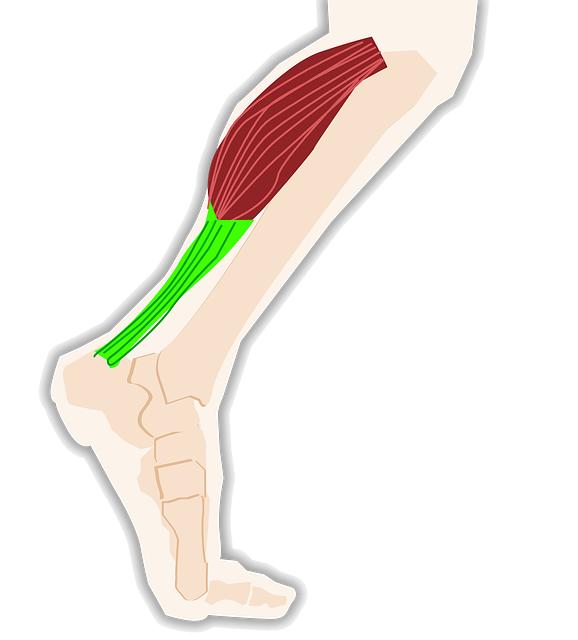
Anterior tibialis soreness is a common issue that many runners face, causing discomfort and hindering performance. Understanding the role of the anterior tibialis muscle in running is key to addressing and preventing this issue. This muscle runs along the front of the lower leg and plays a vital role in dorsiflexing the foot, meaning it helps lift the foot towards the shin during each stride.
When the anterior tibialis is overworked or fatigued, it can lead to soreness and even shin splints. To combat this issue, incorporating simple exercises and stretches into your routine can work wonders. One effective exercise is heel walks, where you walk on your heels for a short distance to strengthen the muscle. Additionally, calf stretches can help improve flexibility and reduce strain on the anterior tibialis.
By taking the time to understand the role of the anterior tibialis in running and implementing targeted exercises and stretches, you can alleviate soreness and prevent future issues. Remember to listen to your body and give it the care and attention it needs to stay strong and healthy while hitting the pavement.
Tips for Preventing Anterior Tibialis Soreness
Anterior tibialis soreness can be a real pain, especially for runners. If you’ve been experiencing discomfort in this area after your runs, fear not—there are simple ways to prevent and alleviate this issue. Here are some tips to keep those anterior tibialis muscles happy and healthy:
- Stretch before and after your run: Make sure to incorporate dynamic stretches for the calves, shins, and ankles to warm up the muscles and prevent tightness.
- Strengthen your calves and ankles: In addition to stretching, focus on exercises that target the muscles in the lower leg, such as calf raises and ankle circles, to build strength and stability.
- Listen to your body: Pay attention to any signs of discomfort or pain during your runs. If you feel any unusual twinges in your anterior tibialis, take a break and allow your muscles to rest and recover.
By incorporating these simple tips into your running routine, you can say goodbye to anterior tibialis soreness and keep hitting the pavement pain-free. Remember, taking care of your muscles is just as important as logging those miles!
Effective Stretching Techniques for Anterior Tibialis Relief
One common complaint among runners is experiencing soreness in their anterior tibialis muscles. This can be caused by overuse, improper running form, or wearing improper footwear. To help relieve this discomfort, incorporating effective stretching techniques into your routine can make a world of difference.
Here are some simple yet effective stretches that can provide relief for your anterior tibialis:
- Toe taps: Sit on the floor with your legs extended in front of you. Flex your foot up towards your shin and hold for 10-15 seconds. Release and repeat on the other side.
- Calf stretch: Stand facing a wall with one foot forward and one foot back. Lean forward, keeping your back leg straight and heel on the ground. Hold for 15-20 seconds and switch sides.
- Seated ankle stretch: Sit on a chair or bench with one leg crossed over the other. Grab your heel with one hand and gently pull your toes towards you. Hold for 20-30 seconds and switch legs.
Choosing the Right Footwear to Reduce Anterior Tibialis Discomfort
When it comes to reducing anterior tibialis discomfort, choosing the right footwear is essential. The right shoes can make a world of difference in preventing pain and discomfort while running or engaging in other physical activities. Here are some key tips for selecting the best footwear to help alleviate anterior tibialis discomfort:
- Support: Look for shoes with good arch support to help distribute pressure evenly and reduce strain on the anterior tibialis muscle.
- Cushioning: Opt for shoes with ample cushioning in the midsole to absorb impact and reduce stress on the muscles and tendons in the front of the lower leg.
- Fit: Make sure your shoes fit properly and provide enough room in the toe box to prevent cramping and discomfort.
| Brand | Model | Features |
|---|---|---|
| Nike | Air Zoom Pegasus | Excellent arch support and cushioning |
| Adidas | Ultra Boost | Responsive cushioning and roomy toe box |
| Brooks | Ghost 12 | Comfortable fit and great support |
How Proper Running Form Can Alleviate Anterior Tibialis Pain
Anterior tibialis pain can be a common issue for runners, especially those who may not have proper running form. When the anterior tibialis muscle becomes overworked or strained, it can lead to pain and discomfort that can affect your performance. However, by focusing on your running form, you can alleviate this pain and prevent it from occurring in the future.
Proper running form is essential for preventing injuries, including anterior tibialis pain. By following these simple tips, you can ensure that you are running with the correct form:
- Avoid overstriding: Make sure your foot lands under your body, rather than in front of you.
- Keep your knees slightly bent: This helps absorb shock and reduces impact on your muscles.
- Maintain a slight forward lean: This helps you propel forward and reduces strain on your shins.
By incorporating these tips into your running routine, you can alleviate anterior tibialis pain and improve your overall performance. Remember, it’s always important to listen to your body and adjust your form as needed to prevent injury and discomfort.
Importance of Rest and Recovery for Anterior Tibialis Healing
Rest and recovery are crucial components in the healing process of a sore anterior tibialis. After a long run or intense workout, the muscles in the anterior tibialis can become strained and fatigued. Allowing these muscles time to rest and recover is essential for promoting healing and preventing further injury. By giving your body the time it needs to recuperate, you’ll be able to bounce back stronger and faster than before.
One simple fix that works like magic for anterior tibialis healing is ice therapy. Applying ice to the affected area helps reduce inflammation and swelling, while also numbing the pain. This can help alleviate discomfort and speed up the healing process. In addition to ice therapy, gentle stretching and foam rolling can also help improve flexibility and relieve tightness in the anterior tibialis muscle.

Seeking Professional Help for Persistent Anterior Tibialis Issues
If you’re experiencing persistent anterior tibialis issues after running, it may be time to seek professional help. **Ignoring the pain and discomfort can lead to further issues**, so it’s essential to address it sooner rather than later. Consulting with a sports medicine specialist or physical therapist can help pinpoint the root cause of your discomfort and develop a treatment plan to alleviate your symptoms.
When seeking professional help for anterior tibialis issues, be prepared to discuss your running routine and any other activities that may be contributing to your discomfort. Your healthcare provider may recommend a combination of treatments, such as stretching exercises, orthotics, or strengthening exercises to help address the issue. By working closely with a professional, you can learn proper techniques to prevent future injuries and improve your overall running performance. Remember, taking care of your body is essential for long-term athletic success.
Keep in mind that a little effort in seeking professional help can go a long way in resolving your anterior tibialis issues. Don’t hesitate to reach out to a healthcare provider if you’re experiencing persistent discomfort or pain while running. Your body will thank you in the long run!
In Summary
Next time you feel that familiar ache in your anterior tibialis after a run, remember that a simple fix could be all you need. By incorporating the exercises and stretches mentioned in this article into your routine, you can help prevent and alleviate soreness in this area. So lace up those running shoes, hit the pavement, and let your legs thank you for taking care of them properly. Your anterior tibialis will thank you, too!
Get our latest guides, news, and insights highlighted in your Google Search & AI Overviews.